Veja is the better buy for shoppers who put sustainability first; Autry is the better buy for shoppers who want a chunkier, more luxurious-looking tennis sneaker. The price gap is real. A Veja Campo or V-10 usually sits around $175 to $180 in the United States, while the classic Autry Medalist Low in white leather costs about $240. That extra money buys a thicker retro shape, a padded collar and a more substantial finish, but it does not automatically buy stronger environmental credentials.
What Makes a White Sneaker Sustainable?
Start with the material list
A white sneaker is not sustainable simply because its design looks minimal or its marketing uses words such as responsible, conscious or eco. The first check is the upper. Organic cotton, recycled polyester and lower-impact synthetic materials can reduce pressure on land, water or virgin petroleum, but each material solves a different problem. Leather can last for years and may be easier to repair, yet it still carries impacts from livestock, tanning and finishing. A vegan upper may avoid animal material while relying heavily on plastic-based fibers.
Look for supply-chain detail
The strongest claim names the material, the country of origin and the relationship with the supplier. A brand that explains how it pays growers, where rubber comes from and which factories assemble the shoe gives shoppers something they can check. A vague green badge gives them almost nothing. Traceability beats a broad sustainability slogan. The same rule applies to packaging, shipping and end-of-life plans. A cardboard box is useful, but it says less about the shoe itself than the upper, sole and factory conditions.
Durability is part of the calculation
The most sustainable sneaker is often the pair that stays in rotation instead of being replaced after one season. Check the stitching, outsole bond, heel counter and lining before buying. A shoe that looks perfect but rubs the heel or compresses the forefoot will not become a good purchase through wishful thinking. White leather also needs care, so buyers should budget for a soft brush, a damp cloth and a suitable protector. A lower-impact material that fails quickly can create more waste than a well-made pair worn for several years.
Veja vs. Autry: Materials, Price and Build Compared

The two brands sell a similar wardrobe idea: a clean white sneaker that works with denim, tailoring, skirts and relaxed trousers. Their construction tells a different story. Veja makes sustainability a visible part of its business model, including organic cotton, Amazonian wild rubber and recycled materials across selected collections. Autry focuses more clearly on retro styling, leather quality and an elevated vintage finish. Its standard Medalist specifications list cow leather, rubber, cotton-terry and, in some versions, pigskin lining.
| Model | Typical US price in 2026 | Key construction | Best use | Consumer verdict |
|---|---|---|---|---|
| Veja Campo Leather or Campo Chromefree | About $175–$180 | Low-profile leather sneaker; selected versions use Chromefree leather and recycled components | Daily outfits and a cleaner silhouette | Best overall value for a sustainability-minded wardrobe |
| Veja V-10 Leather White/Black | About $180 | Leather upper, perforated toe and a larger side V logo | More visible branding and a sportier shape | Best Veja choice for a statement profile |
| Autry Medalist Low AULW-LL15 or AULM-LL15 | About $240 | Leather upper, perforated toe, padded collar, leather and terry lining, rubber sole and 2.5–3.5 cm sole height | Retro outfits, wide-leg trousers and polished casual dressing | Best for style and padding, not for a proven sustainability lead |
Autry also offers versions priced around $245 to $275, while special vintage treatments can rise to roughly $360. Those higher prices reflect finish, color combinations and limited releases rather than a clear environmental advantage. The specific Veja version matters too: a leather Campo is not the same material choice as a canvas or recycled-fiber model. Read the product composition before treating the logo as a sustainability shortcut.
The Sustainability Verdict Is Clear
Choose the brand with the more detailed evidence about materials, producer relationships and factory practices, then choose the pair you will wear often enough to justify its footprint; that is the honest test for a sustainable white sneaker. A higher price, a recycled label or a fashionable retro shape cannot replace proof, and no pair deserves a green halo when the buyer dislikes the fit, leaves it unworn or replaces it after a few months. The winning purchase is the one that combines a documented material choice, repairable-looking construction, comfortable sizing and a realistic care plan. For a wardrobe built around fewer, harder-working clothes, versatility matters as much as the upper: a pair that works with dark denim, linen trousers, wool pants and casual dresses earns more wear than a novelty colorway. Check the return policy, compare prices across more than one retailer and avoid buying a second pair just because the first one is trending; cost per wear is still one of the most useful consumer measures available.
Which Pair Should You Buy?
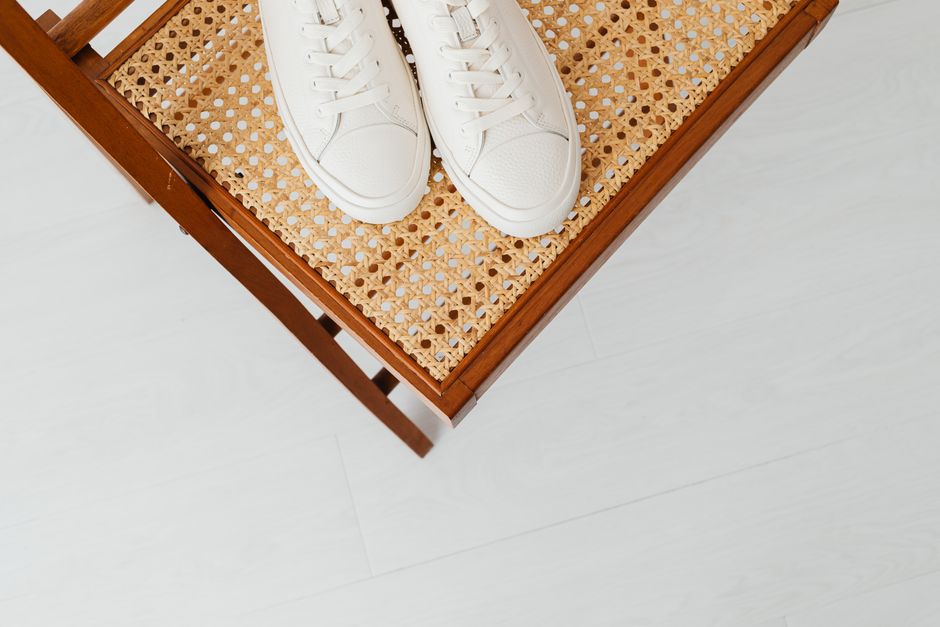
My pick for most shoppers is the Veja Campo, especially a version whose product page clearly lists lower-impact materials. It has the quiet shape that makes a white sneaker useful across a full wardrobe, and its usual price is far below the classic Autry Medalist. The Campo does not have the thickest cushioning or the loudest visual identity, but that is part of its value: it does not force the rest of an outfit to compete with the shoe.
- Buy the Veja Campo if sustainability evidence, a lower price and a slim everyday profile matter most. It works with straight-leg jeans, pleated trousers, cotton dresses and simple summer tailoring.
- Buy the Veja V-10 if you want the Veja material story but prefer a larger logo and a more athletic court-sneaker shape. The extra visual weight suits wide-leg denim and casual streetwear better than the Campo.
- Buy the Autry Medalist Low if the main goal is a padded retro sneaker with a noticeable sole and a more fashion-led finish. The 2.5–3.5 cm sole height can balance long trousers and give a relaxed outfit more structure.
- Do not buy Autry for sustainability alone. Its leather construction may feel substantial, but the standard product information does not make the same detailed environmental case that Veja makes through its material and sourcing projects.
Autry is also the wrong choice for anyone who dislikes a heavier shoe or wants an almost invisible white trainer. The Medalist has more visual volume and a higher profile, so it can look oversized with narrow trousers or petite proportions. Veja is not perfect either. Some shoppers find its leather stiff at first, and the slim sole may feel less supportive during a full day of walking. Neither brand replaces a performance running shoe, a supportive work shoe or a waterproof winter trainer.
For a fashion reader buying one white sneaker in 2026, the decision is straightforward: choose the Campo for the strongest balance of price, versatility and sustainability information; choose the Medalist only when its shape and padded feel are worth paying an additional $60 or more.
How to Check Fit, Avoid Mistakes and Care for White Leather

How should a new pair fit?
Try sneakers on late in the day, when feet are slightly larger, and wear the socks you expect to use with them. Your longest toe should have about 8–12 millimeters of space in front, while the heel should stay put when you walk. A snug upper may soften, but a short toe box will not stretch into a correct size. Compare the brand size chart with your foot measurement rather than ordering from memory, especially when moving between European and US sizing.
Walk on a clean indoor surface for several minutes before removing the tags. Check for pressure over the little toe, rubbing at the ankle and slipping across the heel. Do not assume a thick padded collar will fix a loose fit; it can create friction instead. If one foot is larger, fit the larger foot and use a thin insole or heel grip to fine-tune the other side.
What mistakes damage white sneakers fastest?
- Do not soak leather in a washing machine. Water can distort the shape, weaken adhesives and stain the lining.
- Do not scrub with a rough household sponge or strong bleach. Those products can strip the finish and leave a yellow patch.
- Do not dry sneakers on a radiator or in direct heat. Let them dry at room temperature with the laces removed and paper inside the toe.
- Do not apply a protector without testing a hidden area first. Some formulas darken unfinished leather or suede.
- Do not wear a fresh white pair in heavy rain until you understand how the upper and sole respond to moisture.
When should you choose another sneaker?
Skip a leather white sneaker if you need a true walking shoe, a waterproof commute shoe or a pair for regular gym training. Flat court-inspired soles offer a stable casual feel, but they do not provide the running geometry, impact protection or weather sealing found in performance footwear. Skip both brands if the environmental claim matters more to you than leather comfort and you cannot find clear information about the exact model you want.
For shoppers who want an animal-free option, compare a clearly labeled vegan model from a brand such as Adidas Stan Smith Vegan, but inspect the upper composition and lining instead of assuming vegan means low impact. For shoppers who want a softer casual alternative, Allbirds Tree Dasher or a similar knit trainer may feel lighter, yet it will not create the same polished look with tailoring. The right purchase is the pair that matches your actual week: the clothes you own, the miles you walk and the amount of cleaning you will realistically do. A white sneaker earns its place through repeated wear, not hype alone.