A common misconception is that timeless denim means buying the most expensive pair or choosing a rigid blue jean with no room for movement. In practice, jeans last when their cut suits your wardrobe, their fabric matches your daily use, and their construction can handle repeated wear. This is not legal advice — consult a licensed attorney.
What Makes Denim Timeless?
The strongest denim choices solve a simple wardrobe problem: they give you a reliable base for many outfits without depending on one season’s trend. A timeless pair should work with a white shirt, a blazer, a sweater, a leather jacket, and ordinary sneakers. That does not mean every pair must look plain. It means the shape and finish should remain useful after the current silhouette loses attention.
Choose fabric for repeated wear
Medium-weight denim between 12 and 14 ounces is the best starting point for most people. It has enough structure to hold a clean line, but it does not feel as stiff as heavy 16-ounce denim. Look for a firm waistband, even stitching, secure belt loops, and a zipper or button fly that sits flat. A small amount of stretch can improve comfort, but a very soft, thin fabric often bags out at the knees and seat faster.
Let the cut carry the style
A straight leg is the safest long-term shape because it balances many body proportions and fits over low-profile shoes or boots. A slim-straight cut gives a neater outline without the tight feel of skinny jeans. High-rise jeans can look polished with tucked shirts, while a mid-rise pair usually works with the widest range of tops. Avoid extreme distressing, dramatic whiskering, or unusual pocket placement if your goal is a pair that still feels current several years from now.
The best verdict is clear: buy the simplest cut that makes your proportions look balanced, then let color, shoes, and accessories change the outfit.
Which Classic Jean Fits the Longest?
There is no single universal jean, but some cuts have proved more useful because they sit between trend and tradition. The table below uses typical U.S. full-price references; washes, fabric blends, and prices can change between listings.
| Jean | Key details | Typical price | Best use |
|---|---|---|---|
| Levi’s 501 Original Fit | Button fly, mid-rise, straight leg, cotton denim | $79.50 | Everyday classic outfits |
| Wrangler 13MWZ Cowboy Cut | Zip fly, straight leg, durable cotton construction | $49.99 | Workwear and boots |
| Nudie Jeans Steady Eddie II Dry | Relaxed straight fit, dry organic cotton denim | About $220 | Fade-focused denim wardrobes |
| Everlane Way-High Jean | High rise, straight leg, about 2% stretch | About $98 | Comfortable polished outfits |
For the safest all-round choice
The Levi’s 501 Original Fit is the strongest general pick because its straight leg and button fly have stayed recognizable across decades. It works with trainers, loafers, and ankle boots. Select a dark indigo wash for a sharper appearance or a medium blue wash for maximum casual use.
For hard wear and lower cost
The Wrangler 13MWZ wins when durability and price matter more than a fashion-forward finish. Its straight shape works especially well over boots, and the cotton construction feels more substantial than many lightweight mall-brand jeans. It is less refined for office outfits, so the Levi’s pair is the better choice for one-pair wardrobes that need dressier range.
How Should You Check Jeans Before Buying?
Trying on jeans is not enough. Denim can feel comfortable in a fitting room and still fail after a few hours of sitting, walking, or climbing stairs. Use this short inspection process before removing the tags.
Five checks that prevent poor purchases
- Check the waistband: Fasten the jeans without forcing the button. You should fit one or two fingers inside the back waistband, but the jeans should not slide down when you walk.
- Test the rise: Sit in a chair for two minutes. If the front digs into your stomach or the back gaps widely, the rise does not match your body.
- Inspect the seat: Pull lightly at the fabric across the hips. Horizontal strain lines usually mean the jeans are too small; loose folds under the seat often mean they are too large.
- Walk and squat: Take ten steps, sit, and squat once. The knees should bend without pulling hard, and the pockets should stay flat.
- Measure the hem: A straight leg should touch the top of the shoe with a small break. Cropped hems can look intentional, but an accidental half-length often makes the jeans seem poorly tailored.
Know when alterations are sensible
Hemming is usually worth paying for because it changes the whole line of the outfit. Waist alterations are harder: taking in a small amount may work, but changing the seat or rise can distort the pocket placement. Do not buy a pair that is several sizes wrong and hope a tailor can rebuild it. The practical verdict is to buy for the hips, seat, and rise first, then alter the length.
Is Rigid or Stretch Denim Better?
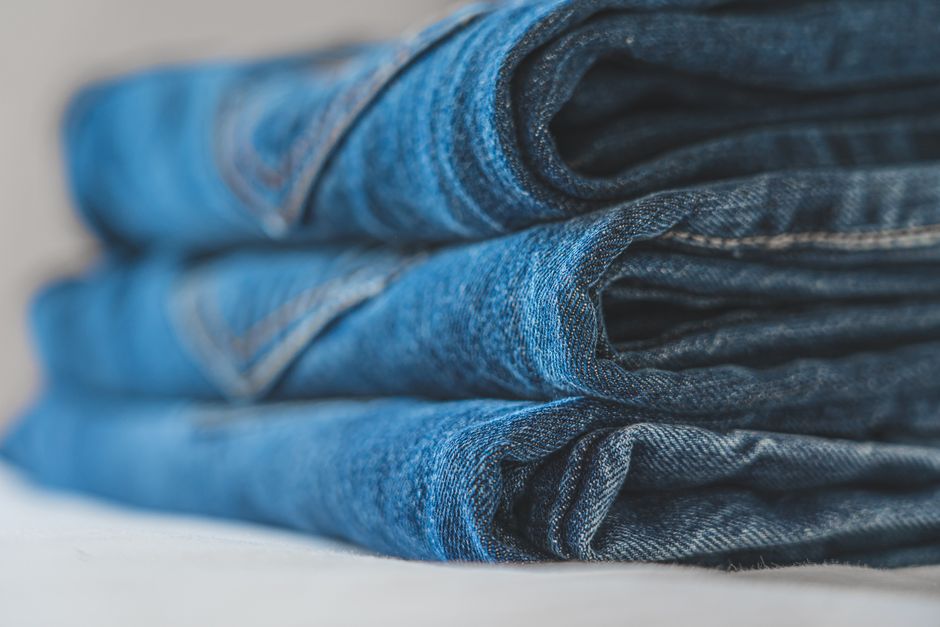
Verdict: Rigid denim is the better choice for buyers who want strong fades, a firm shape, and a pair that develops visible character with wear, while comfort stretch is the better choice for long workdays, frequent travel, and anyone who values immediate ease over a formal break-in period; the right fabric is the one you will wear often enough to justify its price.
Is raw denim worth the break-in?
Raw denim makes sense when you enjoy a gradual change in color and texture and do not mind several weeks of stiffness. The first wear can feel restrictive, especially behind the knees and at the waistband. A good approach is to wear the jeans for two or three hours at home, then increase the time gradually. Do not size down aggressively. A tight pair will not become a perfect fit simply because the fabric softens.
When is stretch the better choice?
Stretch denim is a sensible alternative for people who cycle, commute, sit for long periods, or dislike pressure at the waist. Look for about 1% to 3% elastane rather than a very thin jegging fabric. Wash it inside out, use cold water, and hang it to dry because high heat can weaken elastic fibers. The tradeoff is straightforward: stretch delivers comfort sooner, while rigid denim usually holds a sharper shape and creates more distinctive fades.
Which Denim Brands Are Worth the Price?

My strongest recommendation is the Levi’s 501 Original Fit for most wardrobes. It offers the best balance of recognizable design, styling range, repairability, and price. Spend more only when you want a specific benefit, such as dry-denim fading or a carefully shaped high rise.
Best picks by wardrobe need
- Best overall: Levi’s 501 Original Fit at about $79.50. Choose a dark indigo or medium blue wash and a straight leg for the widest outfit range.
- Best budget workwear: Wrangler 13MWZ Cowboy Cut at about $49.99. Pick it for boots, outdoor wear, and daily use where a tougher cotton feel matters.
- Best for denim enthusiasts: Nudie Jeans Steady Eddie II Dry at about $220. Its relaxed straight shape suits people who want a more substantial dry denim experience without a narrow leg.
- Best comfort option: Everlane Way-High Jean at about $98. The high rise and roughly 2% stretch make it the strongest option for polished outfits that still need easy movement.
When not to pay more
A higher price does not automatically mean better longevity. Do not choose premium denim if the rise pinches, the seat pulls, or the cut only works with one pair of shoes. Also skip heavily distressed jeans when you want years of use; artificial tears can spread at stress points and limit how often you can wear the pair. A well-fitting $50 jean that gets worn twice a week may deliver more value than a $220 pair that stays in the closet. That is the resolution to the opening misconception: timeless denim is not defined by a label or a luxury price, but by a useful fit, honest construction, and enough versatility to keep earning its place.