You own at least five black pieces. Probably more. But when you stand in front of your closet, you still reach for the same pair of jeans and the same black sweater. Why?
Because most color combination advice is either too vague (“black goes with everything”) or too impractical (“try burnt sienna and aubergine”). Neither helps you get dressed faster or look better.
This article cuts through that. Here are the six color combinations with black that deliver real results — plus the three pairings that reliably look off, and why.
Why Black Is Not a Neutral (And Why That Matters for Your Outfits)
Here’s the problem with treating black like beige or gray: black absorbs light. It creates a hard visual edge. Pair it with the wrong color and the contrast becomes harsh, not intentional.
Black is technically an achromatic color — no hue, no saturation. But in clothing, it behaves like a heavy anchor. It pulls visual weight. That’s why an all-black outfit can look sleek or flat depending on the fabrics and cuts you choose.
The real rule: black works best when it either dominates the outfit (60-70% black) or acts as a sharp accent (10-15% black). The middle ground — equal parts black and another color — often looks like a uniform.
What This Means for Your Wardrobe
If you own a black blazer, pair it with lighter pants or a bright top. If you own black trousers, keep the top half lighter or more saturated. The goal is deliberate contrast, not accidental half-and-half.
The Fabric Factor Most People Ignore
Black cotton looks different from black silk. Black wool reads differently than black polyester. When combining black with another color, match the fabric weight and sheen. A matte black cashmere sweater with a glossy satin skirt in deep burgundy works. A black cotton t-shirt with shiny black leggings looks cheap.
Pay attention to texture. Black leather + cream wool = intentional. Black jersey + black jersey = flat.
Black + White: The Obvious One, Done Right

Everyone knows black and white work together. But most people do it wrong. The mistake? Using equal amounts of each. A black top with white pants splits the body in half visually. It shortens your silhouette.
The fix: let one color dominate. 80% black with a white accessory (bag, sneakers, collar) reads as intentional. 80% white with black shoes and a black belt reads as crisp. 50/50 reads as a waitress uniform or a referee.
Three Outfits That Work
- Black wide-leg trousers + white fitted t-shirt + black loafers — 70% black, 30% white. The white breaks up the darkness without competing.
- White button-down shirt + black straight-leg jeans + black ankle boots — 60% white, 40% black. The black grounds the outfit.
- Black blazer + white dress + black sandals — the blazer adds structure to a light base.
When Black + White Fails
When both pieces are the same fabric weight and both are shiny. A black satin blouse with white satin pants looks costumey. Mix textures: matte with sheen, heavy with light, rough with smooth.
Black + Denim Blue: The Everyday Winner
This is the most wearable color combination with black for most people. Denim blue — specifically medium wash or raw indigo — sits in the middle of the lightness scale. It’s dark enough to not scream against black, but light enough to create visible contrast.
Black + medium wash denim is the formula behind 90% of good casual outfits. Black top, blue jeans, black boots. Done. The denim adds visual texture and a casual ease that black alone lacks.
Which Blues Work Best
| Denim Wash | Works with Black? | Best Use |
|---|---|---|
| Light wash (faded) | Yes | Summer, daytime, relaxed fits |
| Medium wash (classic blue) | Yes | Everyday, office casual, travel |
| Dark/raw indigo | Yes, but low contrast | Evening, sleek looks, date night |
| Black denim | No — it’s just all-black | Only if you want a monochrome look |
The sweet spot is medium wash denim from brands like Levi’s 501 ($98) or Everlane’s ’90s Cheeky Jean ($98). Pair with a black merino wool crewneck from Uniqlo ($49.90) and you have a three-piece outfit that works for dinner, drinks, or casual meetings.
Black + Red: High Risk, High Reward

Black and red is the most dramatic combination on this list. It’s also the easiest to get wrong. The problem: red is visually loud. Black is visually heavy. Together, they can read as aggressive, costumey, or dated (think 2000s emo or fast-food uniforms).
But when it works, it works hard. The key is restraint. Use red as an accent, not a partner. A black dress with a red bag. Black trousers with a red lip. A black coat with a red scarf. Never a red top with black pants — that’s the 50/50 split that fails every time.
Which Reds Work with Black
Not all reds are equal. Burgundy and oxblood are the safest bets — they’re dark enough to harmonize with black without clashing. True red (primary red) works only in small doses. Orange-reds and coral reds clash hard with black because they introduce warm undertones that fight the cool neutrality of black.
Try a burgundy knit from COS ($89) with black wide-leg trousers. Or a black leather jacket with a red silk scarf. Keep red under 20% of the visible outfit.
Black + Camel: The Unexpected Power Combo
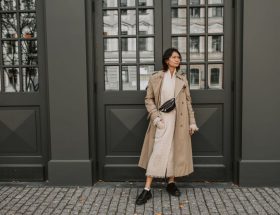
This is the combination most people overlook. Camel — a warm, medium-light brown — creates the most sophisticated contrast with black. It’s the color of a classic trench coat, a leather tote, or a wool coat from Max Mara or Massimo Dutti.
Why it works: camel is warm and light. Black is cool and dark. They sit opposite each other on the warmth spectrum, so the contrast is pleasing rather than jarring. It reads as expensive, even when the pieces are affordable.
How to Wear Black and Camel
- Black turtleneck + camel wide-leg trousers + black boots
- Camel coat over an all-black outfit (the coat becomes the focal point)
- Black jeans + camel cashmere sweater from Naadam ($135) + black sneakers
One rule: keep the camel piece structured. A camel coat, blazer, or tailored pant works. A camel sweatshirt or slouchy cardigan with black looks sloppy. Camel demands clean lines to justify its presence next to black.
Black + Gray: Why This Often Falls Flat

Here’s a controversial take: black and gray together often look boring. The problem is tonal proximity. Black and charcoal gray are too close in lightness — they blur into each other. Light gray and black can work, but only if the gray is clearly lighter than the black.
When it works: black pants + a heather gray sweatshirt. The texture of the sweatshirt (usually a cotton-poly blend) creates visual interest that a flat gray knit wouldn’t. Or a black blazer over a gray merino turtleneck — the sheen difference between wool and cotton adds depth.
When it fails: black trousers + a charcoal sweater. Both are dark, both are matte, both are smooth. The result is a dark blob. If you must wear black and gray, introduce a third element — a white sneaker, a silver necklace, a brown belt — to break up the darkness.
Black + Pastels: Soft Contrast That Works for Spring
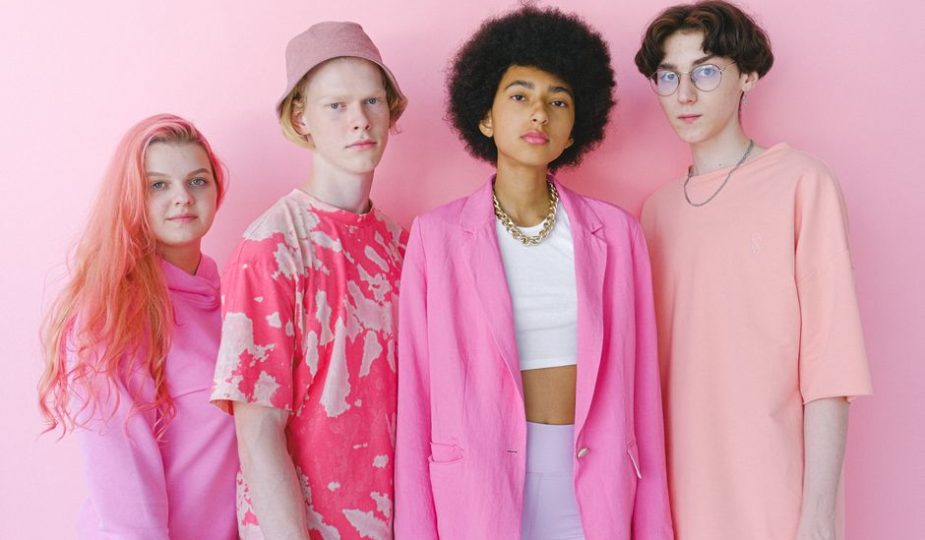
Pastels — pale pink, baby blue, mint green, lavender — create the gentlest contrast with black. The softness of the pastel offsets the heaviness of black. This combination works best in spring and summer, when black can feel too heavy for the season.
The trick: keep the pastel piece on top or as an accent. A pastel pink blouse with black trousers. A lavender sweater with black jeans. Pastel on the bottom (pastel pants with a black top) looks unbalanced — the heavy black top drags the eye down.
Real Outfit Examples
- Black midi skirt + pale pink cashmere sweater from Sézane ($175) + black ballet flats
- Black straight-leg jeans + mint green linen button-down from Mango ($59.99) + white sneakers
- Black dress + lavender cardigan (draped, not buttoned) + silver jewelry
Pastels work best in natural fabrics — cotton, linen, cashmere. Synthetic pastels (polyester pinks, acrylic blues) look cheap next to black. Spend more on the pastel piece if you can; the fabric quality shows more against black than against lighter neutrals.
Three Color Combinations with Black You Should Skip
Not every color works with black. Here are three pairings that consistently look off, and why.
Black + Navy
This is the most common mistake. Navy and black are both dark. Together, they look like a mismatch rather than an intentional choice. The eye can’t tell if you meant to wear two different blacks or if you grabbed the wrong pants in the dark. Skip this entirely. If you want a dark outfit, commit to all-black. If you want navy, pair it with white, beige, or cream.
Black + Brown (Dark Brown)
Dark brown and black suffer from the same problem as navy. They’re too close in value. A dark brown leather belt with black pants looks like you owned the belt before you owned the pants. Light brown or camel works. Dark brown does not.
Black + Neon or Fluorescent Colors
Neon yellow, electric orange, highlighter green — these colors fight black. Black is recessive. Neon is aggressive. The contrast is so extreme that it looks accidental rather than intentional. If you love color, pair neons with white or light gray instead. Black will drain the energy out of bright colors.
How to Build a Black-Based Capsule Wardrobe (7 Pieces)
If you want black to be your foundation, you need the right supporting colors. Here’s a seven-piece capsule that generates hundreds of outfits:
- Black wool blazer ($150-300, look for 100% wool or wool-viscose blends)
- Black straight-leg trousers ($80-120, mid-rise, crepe or wool blend)
- Medium wash denim jeans ($80-100, Levi’s or Everlane)
- Camel wool coat ($200-400, structured, knee-length)
- White cotton button-down shirt ($50-80, crisp collar, not too fitted)
- Burgundy cashmere crewneck ($100-200, Naadam or Uniqlo)
- Cream linen blouse ($50-70, Mango or COS)
These seven pieces, plus your existing black basics (t-shirts, jeans, shoes), cover casual, office, and evening looks. The key is that every non-black piece either contrasts strongly with black (white, cream, camel) or sits in a complementary dark tone (burgundy) that reads as intentional next to black.
Stop thinking about color combinations as a list of rules. Think about contrast, texture, and proportion. Black is your anchor. Choose the colors you pair with it deliberately, and you’ll never stare at your closet wondering what works.