Which marathon shoe actually makes you faster? Spend 26.2 miles in the wrong pair and you’ll find out by mile 18. The question most runners type into search bars — what are the best running shoes for a marathon? — is actually the second question they should be asking. The first is: what does my foot, my pace, and my race plan actually need?
Getting that wrong costs real time. In some cases, it ends races. This guide covers the specs that matter, the brands worth spending on, and where runners waste money every season.
What Separates a Marathon Shoe from an Everyday Trainer
Most runners treat their daily trainer as a race shoe. That’s the first mistake.
A training shoe is engineered for durability — built to survive 500+ miles of easy runs, tempo sessions, and recovery jogs without breaking down. It trades performance for longevity. A marathon race shoe does the opposite. It’s built around one job: returning energy from the ground back into your stride as efficiently as possible, for exactly one race distance. Manufacturers accept shorter lifespan (most top marathon shoes max out at 200-350 miles) in exchange for a performance edge that shows up in your finish time.
The Energy Return Problem Every Runner Faces
Every footstrike absorbs energy. Without a highly responsive midsole, most of that energy disperses as heat. The best marathon shoes use foam compounds — Nike’s ZoomX, Adidas’s Lightstrike Pro, ASICS’s FF Blast Turbo — that return 85% or more of impact energy back into your next stride. Standard EVA foam, used in most everyday trainers, returns closer to 65%. Over 26 miles and roughly 50,000 steps, that 20-point gap compounds with every footfall. It isn’t marketing math — it shows up in race results.
Why Training Shoes Fall Apart at Mile 20
The marathon wall at mile 20 is partly physiological. But the wrong shoe accelerates it. A heavier shoe — anything above 250g for a men’s size 9 — creates cumulative muscular fatigue in the calves, hips, and glutes. The New Balance FuelCell SuperComp Elite v4 weighs 218g. The Brooks Ghost 16, a genuinely good everyday trainer, weighs 309g. That 91g difference across 50,000 steps is a meaningful muscular load. Run your training miles in the heavier shoe. Race in the light one.
Stack Height Is Not Just About Comfort
High stack height — 38 to 42mm in modern supershoes — isn’t a cushioning play. It’s about foam volume. More ZoomX or Lightstrike Pro means more energy return per stride. The tradeoff: a higher center of gravity increases lateral instability. On a flat road marathon, that’s irrelevant. On a cambered course or a trail race, a lower stack of 30-34mm is the smarter call.
The Spec Numbers That Predict Race Performance
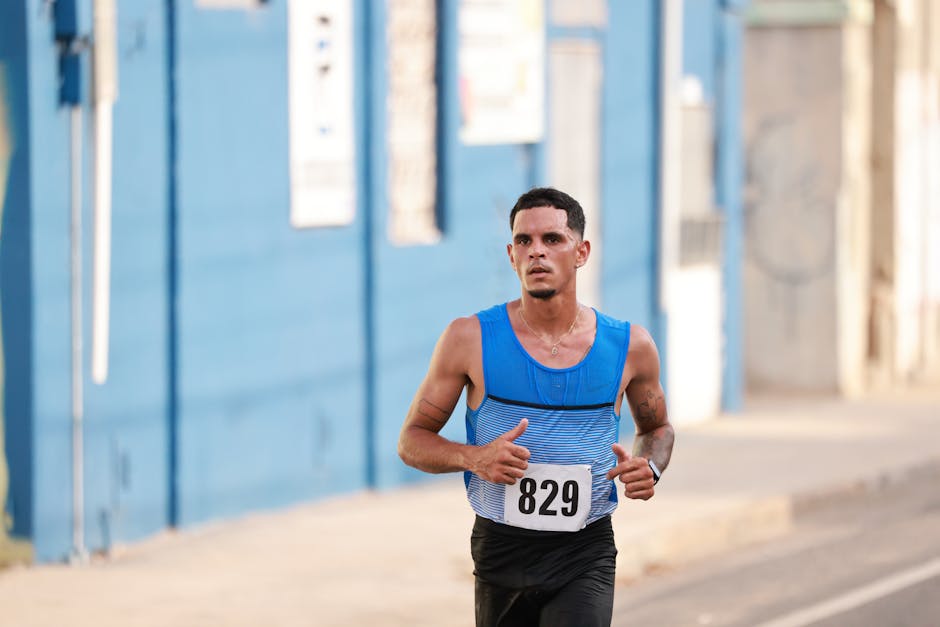
Before picking a shoe by brand loyalty or colorway, know what the numbers on the spec sheet actually mean. These five metrics predict how a shoe performs over a full marathon far better than any review summary.
| Spec | What It Measures | Target Range for Marathon |
|---|---|---|
| Stack Height | Total midsole thickness at the heel. More foam = more potential energy return. | 38–42mm |
| Heel-to-Toe Drop | Height differential from heel to forefoot. Lower drop suits forefoot strikers better. | 4–8mm depending on gait |
| Shoe Weight | Directly correlates with muscular fatigue accumulation over distance. | Under 225g (men’s size 9) |
| Plate Material | Carbon stiffens the shoe and creates a propulsive rocker effect at speed. Nylon is softer and more forgiving. | Carbon for sub-9min/mile pace; nylon for slower efforts |
| Midsole Foam Compound | Determines the percentage of energy returned per stride. | ZoomX, Lightstrike Pro, or FF Blast Turbo |
A shoe combining the right foam and plate geometry does part of the calf’s propulsive work on your behalf. This is why elite marathon times dropped by 2–3% across the board after supershoes became widespread post-2017. The mechanical advantage is real and documented. The question is running fast enough to fully activate it.
Top Marathon Shoes Compared — 2026 Edition
Five shoes consistently dominate the serious amateur marathon field. Here’s what the specs look like side by side.
| Shoe | Stack (heel) | Drop | Weight (M size 9) | Plate | Price | Best Fit |
|---|---|---|---|---|---|---|
| Nike Vaporfly 3 | 40mm | 4mm | 195g | Full carbon | $260 | Forefoot strikers, sub-4hr goal |
| Adidas Adizero Adios Pro 3 | 39.5mm | 5mm | 225g | 5 carbon rods | $250 | Midfoot strikers, longer efforts |
| ASICS MetaSpeed Sky+ | 40mm | 5mm | 215g | Full carbon | $250 | Stride-length runners, efficiency focus |
| New Balance FuelCell SuperComp Elite v4 | 42mm | 4mm | 218g | Full carbon | $250 | Heel strikers, high weekly mileage |
| Saucony Endorphin Pro 4 | 39mm | 4mm | 210g | Full carbon | $225 | First-time supershoe users, mid-pack runners |
The verdict: For first-time supershoe buyers running 4:00–5:00 finish times, the Saucony Endorphin Pro 4 at $225 is the clearest entry point — forgiving geometry, genuine carbon plate performance, lowest price on this list. For runners targeting sub-3:30 with a clean forefoot strike, the Nike Vaporfly 3 remains the benchmark. The NB FuelCell SuperComp Elite v4’s 42mm stack — highest of any mainstream marathon shoe — is the best call for heel strikers who log 50+ miles per week in training.
Carbon Plate Shoes Are Not for Every Runner
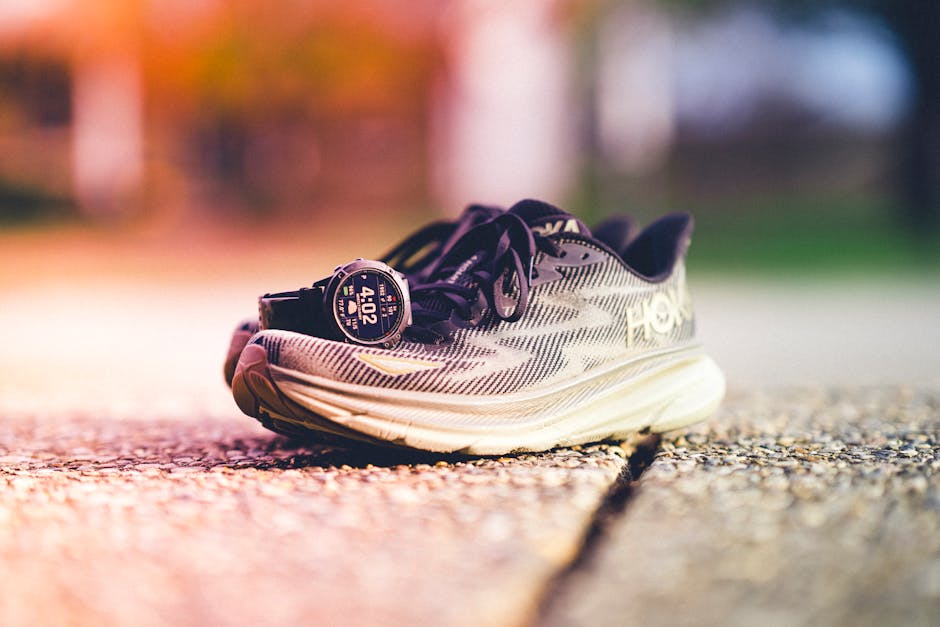
Carbon plate shoes make fast runners faster. They do not make slow runners fast. That’s the uncomfortable truth the footwear industry consistently underplays.
What Carbon Actually Does at Speed
The plate creates a rigid lever that alters how your foot leaves the ground. Instead of your Achilles and calf muscles absorbing all the propulsive work, the plate’s rocker geometry assists the push-off. At roughly sub-9-minutes-per-mile and faster, this mechanical assist is measurable — studies tracking elite and sub-elite runners cite 2–4% efficiency improvements over traditional racing flats.
The ASICS MetaSpeed Sky+ and the Adidas Adizero Adios Pro 3 use different plate geometries to optimize for different runner types. ASICS targets stride-type runners — those who increase stride length as pace increases. Adidas is designed for cadence-type runners — those who increase step frequency instead. Knowing which category you fall into before spending $250 is worth 20 minutes on a treadmill with someone who can watch your form.
When Carbon Becomes a Liability
Running a first marathon at 12 minutes per mile? A carbon plate delivers almost no advantage at that pace — and can actively cause problems. The plate’s stiffness increases calf and Achilles load without delivering the propulsive payoff that faster runners get. Runners with weak calves or existing Achilles tendinopathy report elevated soreness when switching to carbon too quickly.
There’s also a technique requirement. Carbon shoes reward a specific landing pattern. Aggressive heel strikers load the plate wrong — energy return drops and calf strain increases. The Hoka Rocket X 2 at $200 uses a nylon plate and delivers a gentler introduction to plated running without the same demands on strike mechanics. It’s the honest recommendation for runners who aren’t yet sure whether carbon will work for their gait.
The Single Biggest Race-Day Shoe Mistake
Wearing brand-new race shoes for the first time on marathon morning. Runners still do it — often because shoes arrived late in the mail, or they were deliberately saving a fresh pair. Twenty-six miles in unlocked foam with zero break-in is a reliable path to blisters, black toenails, and Achilles inflammation that wasn’t present in any training run.
Run at least 40–50 miles in your race shoes before race day. No exceptions.
How to Break In Marathon Shoes Without Burning Their Lifespan

Most carbon racers are structurally done by 200–350 miles. Breaking them in intelligently conditions your feet to the shoe’s geometry while preserving foam integrity for when it matters most.
- Miles 1–10: Easy runs only. Run 5–8km at conversational pace. No speed work. The foam compresses and rebounds to match your foot’s specific pressure points during this phase. Let it happen gradually.
- Miles 10–25: Add one tempo run per week. This is where you start feeling the plate engage at faster efforts. Any hot spots on the ball of your foot or the outer heel edge need to be noted now — address them with Body Glide or a different sock thickness before they become race-day blisters.
- Miles 25–40: Run a half-marathon distance in the shoes. This is your confirmation test. If anything feels wrong at mile 10 of that long run, you have enough runway to troubleshoot or try a different model entirely.
- Miles 40–50: Rotate back to your training shoe. Stop using the race shoe for everyday miles. Save its remaining mileage budget for the race itself and a few short shakeout runs in race week.
- Two days before the race: A 20-minute shakeout only. Enough to confirm fit and feel. Not enough to generate fatigue in the foam or your legs.
One detail most runners skip: wear your actual race socks during every break-in run. Sock thickness and toe box texture affect fit more than most people realize. Breaking in the shoe with a training sock and racing in a thin performance sock creates a subtle mismatch in heel hold and toe splay that shows up as friction at mile 15.
Matching Shoe to Your Runner Profile — Specific Verdicts
You’re running your first marathon and targeting a finish, not a time goal
Skip the $250 full-carbon racers. The Saucony Endorphin Speed 4 at $160 uses a nylon plate and PWRRUN PB foam — genuine supershoe technology at a price that doesn’t sting if the shoe isn’t right for you. It’s more forgiving than full-carbon options and handles slower marathon paces without punishing your calves. At this stage, shoe comfort over 26 miles matters more than any marginal speed advantage you won’t notice yet.
You’ve run two or three marathons and want to break a time barrier
This is the runner carbon shoes were designed for. If your goal is sub-4:00 and you’ve consistently logged 40+ mile weeks through the training block, the Nike Vaporfly 3 or ASICS MetaSpeed Sky+ will produce measurable time advantages. Choose based on your strike pattern: Vaporfly for forefoot strikers, MetaSpeed for midfoot. Both land between $250–$260 and are the correct spend for runners ready to use them as intended.
You’re managing knee pain or plantar fasciitis coming into the race
The New Balance FuelCell SuperComp Elite v4 is the pick here. Its 42mm stack — the highest of any mainstream marathon shoe on the market — absorbs more impact before it reaches the knee joint and reduces tension load on the plantar fascia compared to lower-stack options. It isn’t the outright fastest shoe on this list. But it’s the most protective for runners managing chronic lower-body issues, and finishing healthy beats a marginally faster time on compromised legs.
Marathon shoe technology continues to evolve faster than training methodology. The gap between a $120 everyday trainer and a $250 supershoe keeps widening as foam science improves. What’s genuinely remarkable is that amateur mid-pack runners now have access to the same plate-and-foam architecture that broke the two-hour marathon barrier in 2019. The shoes work. The real variable is whether the runner has done enough training to unlock what the shoe is capable of doing.