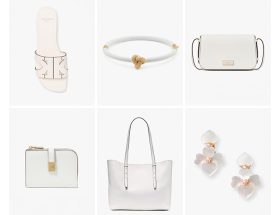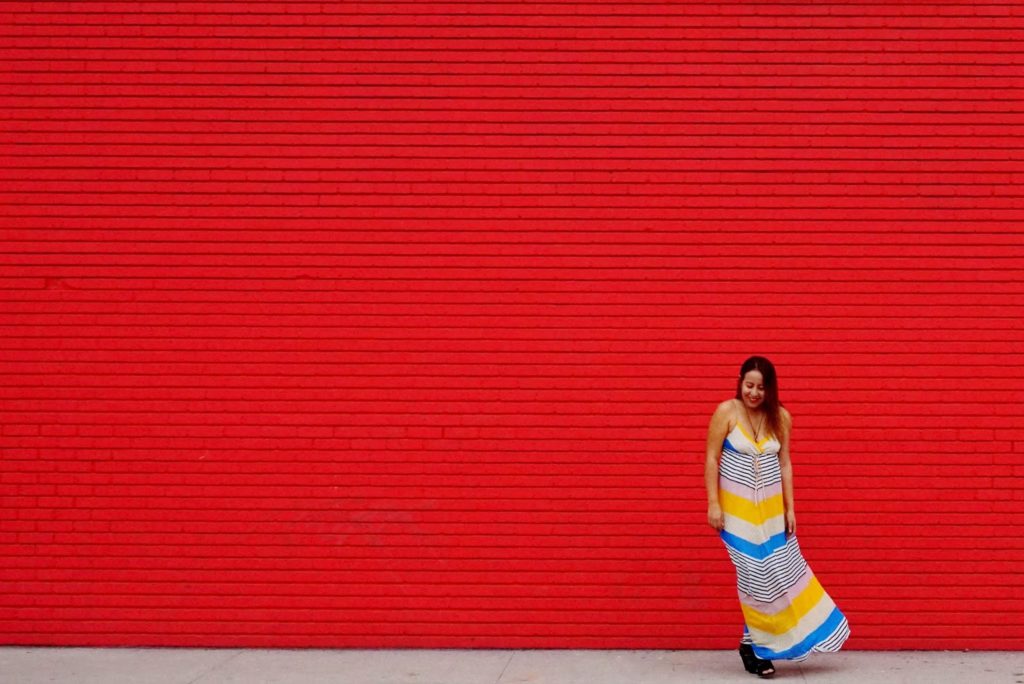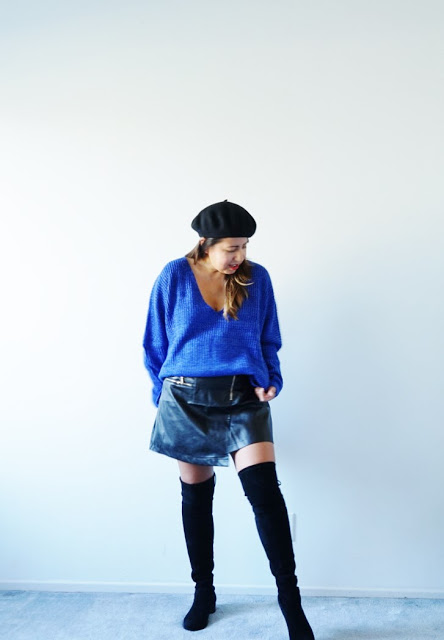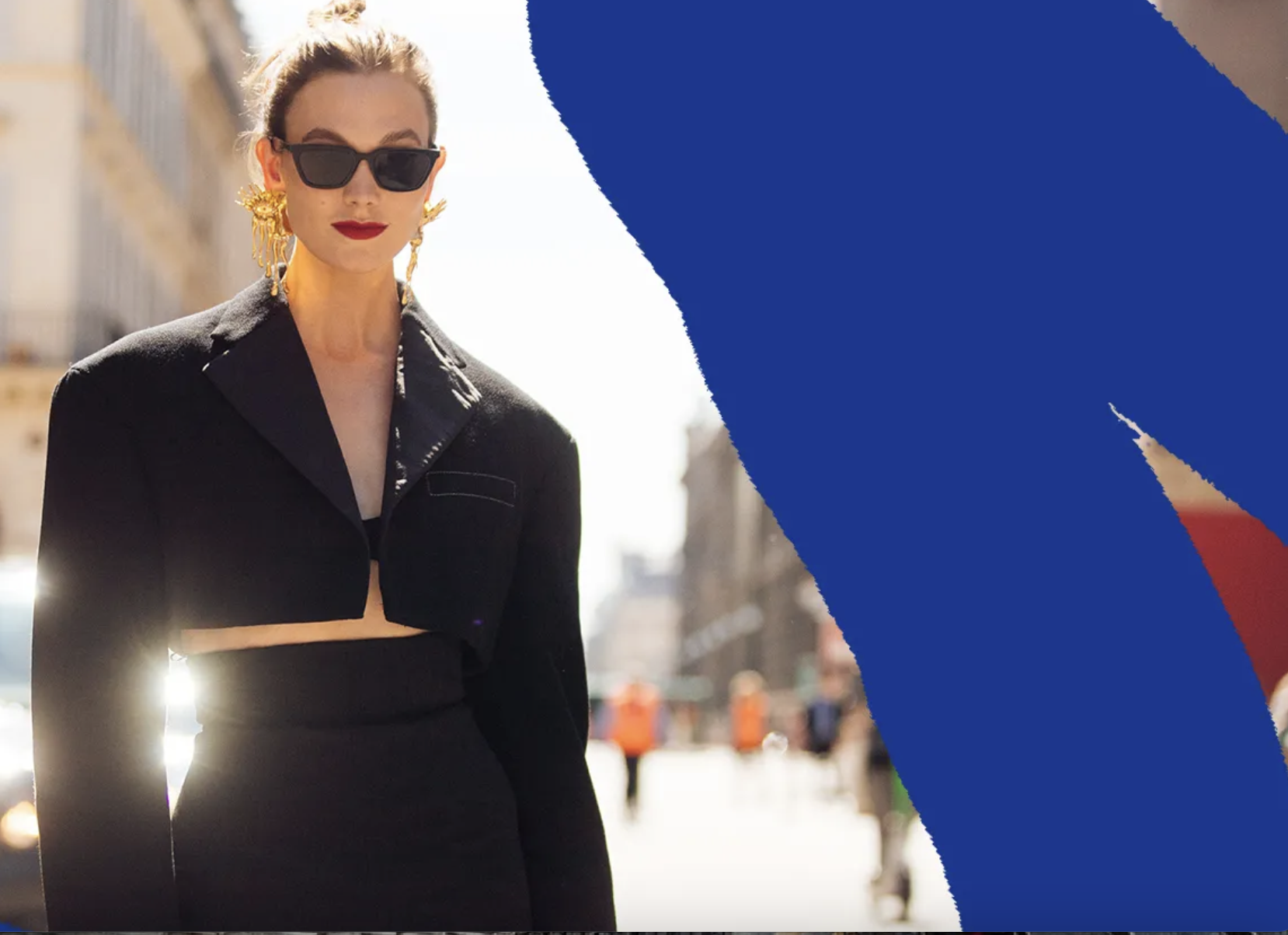
You know the feeling: scrolling through social media, you see someone effortlessly pulling off a vibrant yellow bag or a striking cobalt blazer. It looks fantastic on them, yet the idea of integrating such bold hues into your own wardrobe feels daunting. Maybe you’ve tried it – a bright scarf, a pair of colorful shoes – and it just didn’t quite click. The concern isn’t just about standing out; it’s about looking intentional, not like you grabbed the first colorful thing you saw. Mastering color pops isn’t about being flashy; it’s about strategic accentuation, a deliberate choice that elevates an otherwise neutral look.
Understanding Color Theory for Impactful Accents
Integrating color pops into your wardrobe isn’t just about throwing on a bright item. There’s a subtle science to making it look natural and chic, and it starts with a basic understanding of color theory. This isn’t about becoming an art historian; it’s about practical application to your daily outfits. The right color choice, in the right place, can transform an otherwise understated ensemble into something memorable. Overlooking these principles often leads to outfits feeling disjointed or overly busy, which defeats the purpose of a strategic pop.
The 60-30-10 Rule Explained
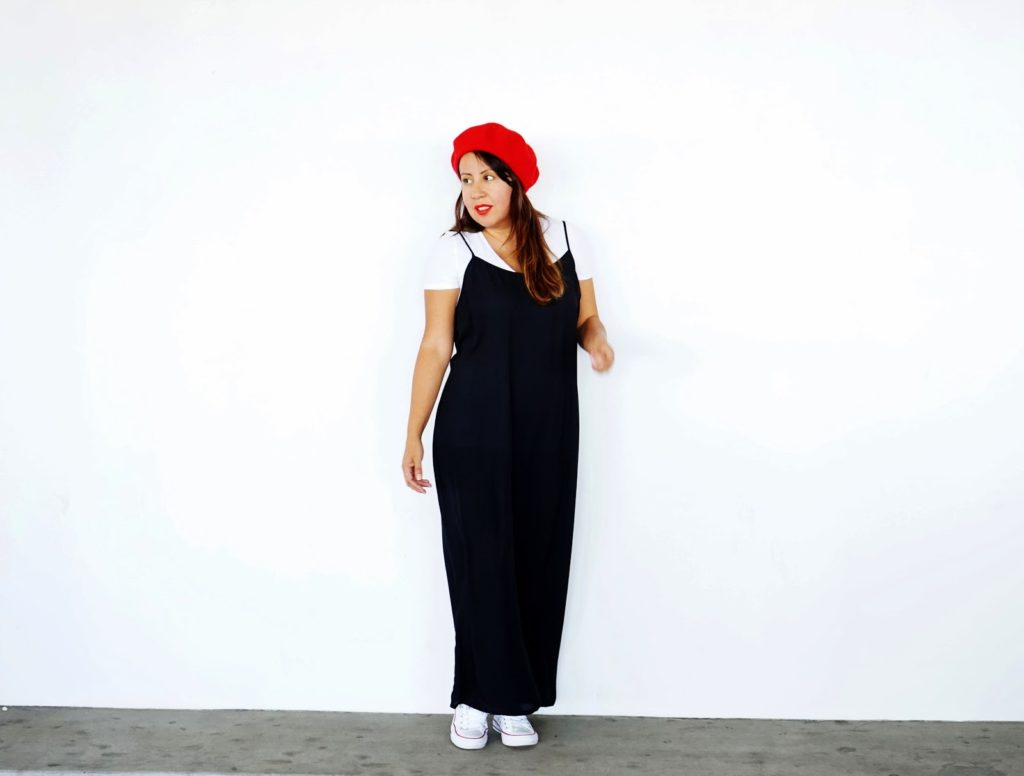
Fashion stylists often reference the 60-30-10 rule, a principle borrowed from interior design, for balanced outfits. Here’s how it works: 60% of your outfit should be a dominant color, usually a neutral like black, white, gray, navy, or beige. This forms your base. Think of a charcoal suit or a white dress. Then, 30% is a secondary color, which complements the dominant hue. This might be a slightly bolder neutral, a darker shade of your main color, or a muted tone that adds depth. Finally, 10% is your accent color – your ‘pop’. This small percentage is where you introduce that vibrant red, electric blue, or sunny yellow. This structured approach ensures your pop feels deliberate, not random. For example, a beige trench coat (60%), paired with dark wash jeans (30%), and a bright orange scarf (10%) demonstrates this perfectly.
Complementary vs. Analogous Pop Choices
When selecting your accent color, you primarily have two strategic options: complementary or analogous colors. Complementary colors sit opposite each other on the color wheel, creating high contrast and visual energy. Think blue and orange, red and green, or purple and yellow. Using a complementary color as your pop can be incredibly impactful against a neutral base, making the accent truly stand out. A navy dress with a bright orange clutch is a classic example. On the other hand, analogous colors are next to each other on the color wheel, creating a more harmonious, subtle transition. For instance, pairing a forest green with a lime green accessory. While less dramatic, an analogous pop can add depth and interest without being overtly flashy, ideal for those who prefer a softer approach to bold color.
Warm, Cool, and Neutral Bases
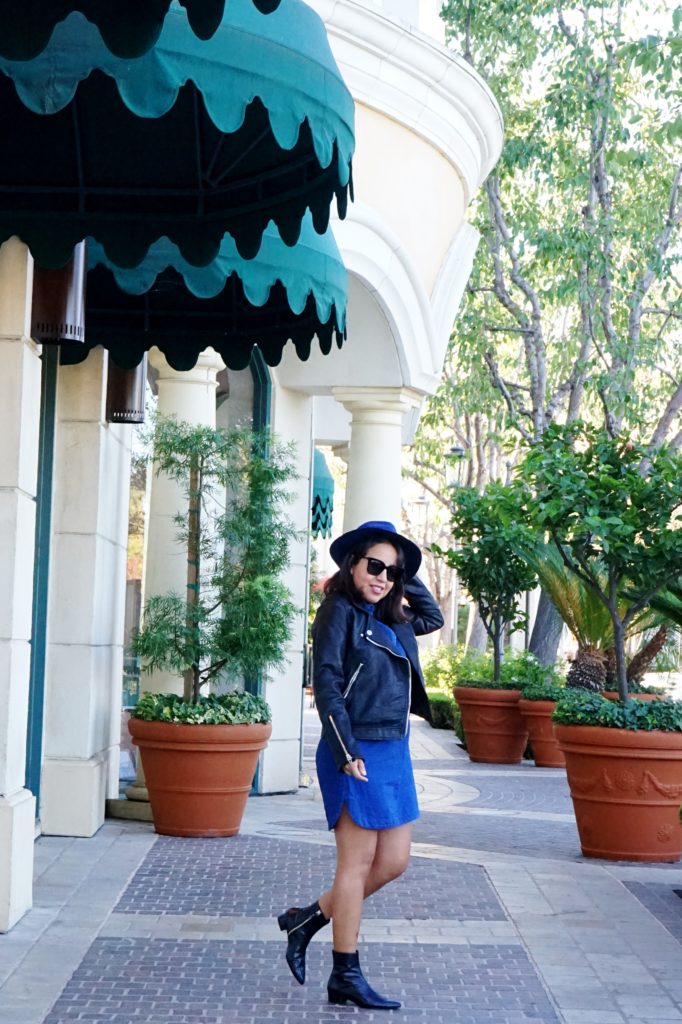
Your base colors also influence how your pop reads. Warm neutrals like cream, camel, and olive tend to make warm-toned pops (like orange, yellow, fiery red) feel cohesive. Cool neutrals such as charcoal, navy, and true white often provide a crisp backdrop for cool-toned pops (like cobalt, emerald, fuchsia). However, the beauty of color pops is their versatility. A vibrant fuchsia bag against a camel coat can be incredibly striking due to the contrast, while an electric blue shoe with an all-black outfit is effortlessly chic. Understanding your base color’s undertone helps you predict the overall mood your pop will create.
Strategic Accessory Choices for Beginners
Starting with accessories is the least intimidating way to introduce color pops. They offer a controlled dose of vibrancy without committing to a full garment. Plus, accessories are often more affordable, allowing for experimentation.
Bags: The Easiest Entry Point
- Small Crossbody Bags: A compact bag in a bold hue can provide a significant visual punch against a neutral outfit. Consider the Zara Mini City Bag in bright fuchsia, often available for around $40. Its structured shape makes a modern statement.
- Totes and Shoulder Bags: For a slightly larger presence, a vibrant tote can carry your daily essentials and your color statement. A mustard yellow or emerald green leather tote, even from a brand like Target’s A New Day line (typically under $30), offers practicality with flair. The key is to let the bag be the singular pop.
Footwear: Grounding Your Boldness
- Sneakers: A pair of brightly colored sneakers can inject youthful energy into an otherwise conservative look. Think classic Adidas Gazelles in a royal blue (around $80) worn with tailored trousers and a white shirt. They break up the formality in a stylish way.
- Heels and Flats: For a more polished approach, a vibrant heel or flat can surprise. The Everlane The Italian Leather Day Heel in a bold red, priced around $175, offers comfort and a sophisticated pop with a monochromatic dress or suit.
Scarves and Jewelry: Smaller, High-Impact Touches
- Scarves: A silk or cashmere scarf in a dazzling print or solid bright color draped over your shoulder or tied around your neck can instantly elevate an outfit. An Acne Studios Canada Scarf in vibrant orange, typically around $200, adds a luxurious, artful touch. More affordable options are plentiful from brands like Madewell, usually under $60.
- Jewelry: Statement earrings or a bold necklace can draw attention to your face and neckline. COS Oversized Hoop Earrings in enamel green, priced around $35, offer a contemporary, minimalist way to wear a color pop near your face. A chunky resin necklace from an artisan market can also work wonders.
Layering Techniques: Building a Subtle Pop
Layering offers a nuanced approach to color pops, allowing you to reveal just a hint of vibrancy or build up to a more pronounced statement. This method is particularly effective for those hesitant about committing to a full-on bright garment.
How can a colorful undershirt make a difference?
A vibrant undershirt peeking out from beneath a neutral sweater or blazer provides a surprising flash of color. Imagine wearing a crisp white button-down shirt with a navy blazer. Now, swap the white undershirt for a fitted Uniqlo Heattech Crew Neck Long-Sleeve T-Shirt in a bright yellow (around $25). The yellow collar and cuffs, or even just a sliver at the neckline, transform the entire ensemble. It’s a controlled pop that feels sophisticated because it’s not immediately obvious. This technique works especially well with V-neck sweaters or open cardigans, where the colorful layer underneath becomes a subtle focal point.
What about a peeking jacket lining or a vibrant belt?
Sometimes the pop isn’t even meant to be fully seen. A blazer with a brightly colored lining, like one from Zara (often under $100 for basic styles), creates a subtle surprise when you take it off or casually drape it. The flash of color is unexpected and adds an element of playful luxury. Similarly, a vibrant belt cinching a neutral dress or trousers can provide a striking interruption. A narrow leather belt in cobalt blue or hot pink, even a basic one from ASOS (usually around $15), acts as a deliberate accent, defining your waist while injecting energy. It’s an understated way to add a dynamic edge without overwhelming the outfit.
Can outerwear itself be a “pop”?
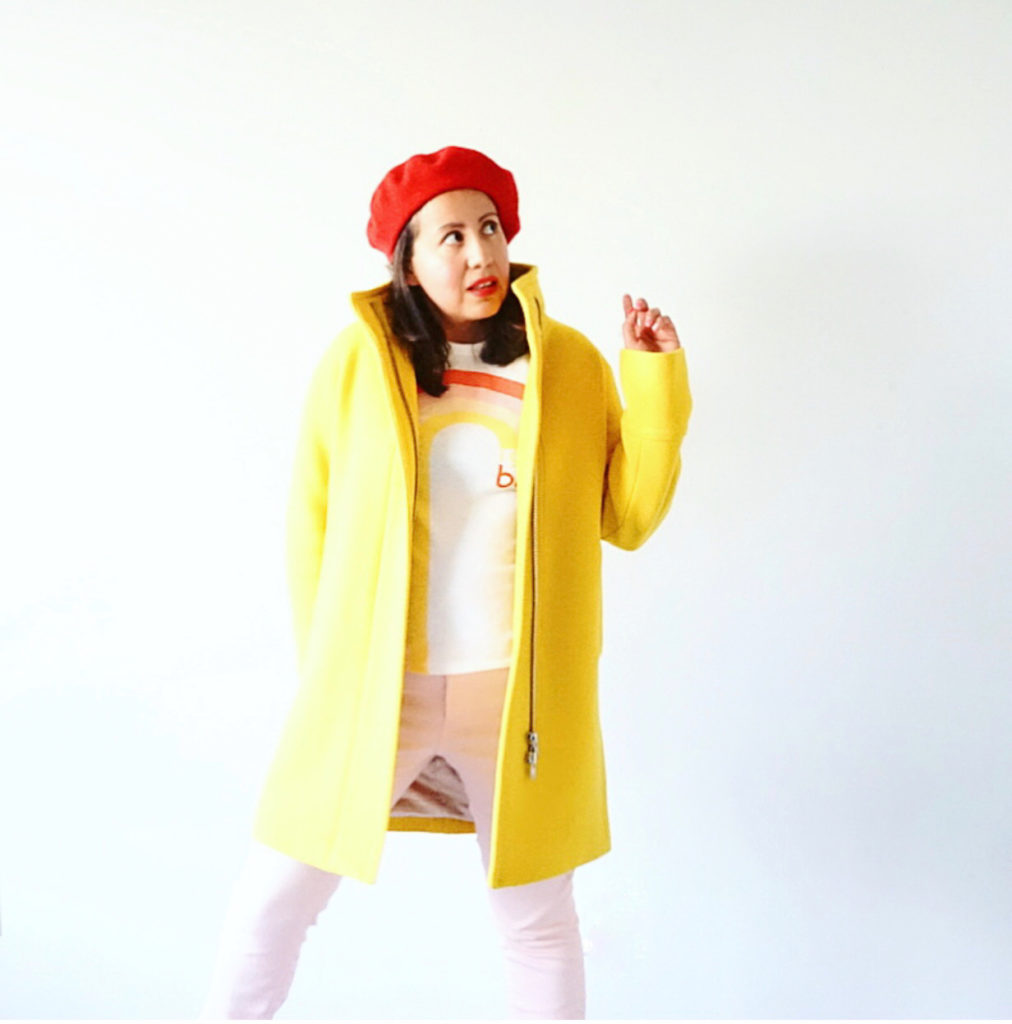
Absolutely. While layering usually implies inner garments, outerwear can also serve as a standalone pop. Think of a structured trench coat in a bold color like a deep teal or a fiery red, rather than the traditional beige. A colorful cardigan, like the Madewell Kent Cardigan Sweater in a rich berry or deep teal (around $98), worn over a simple white tee and jeans, becomes the central color statement. The beauty here is its versatility: you can remove it if you feel too bold, but while it’s on, it completely defines your outfit’s color story. This approach is powerful because the pop covers a significant portion of your body, making a clear, confident statement.
Statement Pieces: When to Go All In
Sometimes, the goal isn’t just an accent but a centerpiece. A statement piece uses color to dominate the outfit, immediately drawing the eye and setting the tone. This requires confidence and a solid understanding of how to balance that single, bold item with quieter companions.
| Statement Piece Type | Impact Level | Best Paired With | Example Brands/Price Range |
|---|---|---|---|
| Vibrant Blazer | High – professional yet bold | Neutral trousers or jeans, plain tee/blouse | J.Crew Parke Blazer in vivid pink (around $198) |
| Bold Skirt/Trousers | Medium-High – fashionable, grounded | Neutral top, subtle accessories | Aritzia Wilfred Effortless Pant in a striking blue (around $148) |
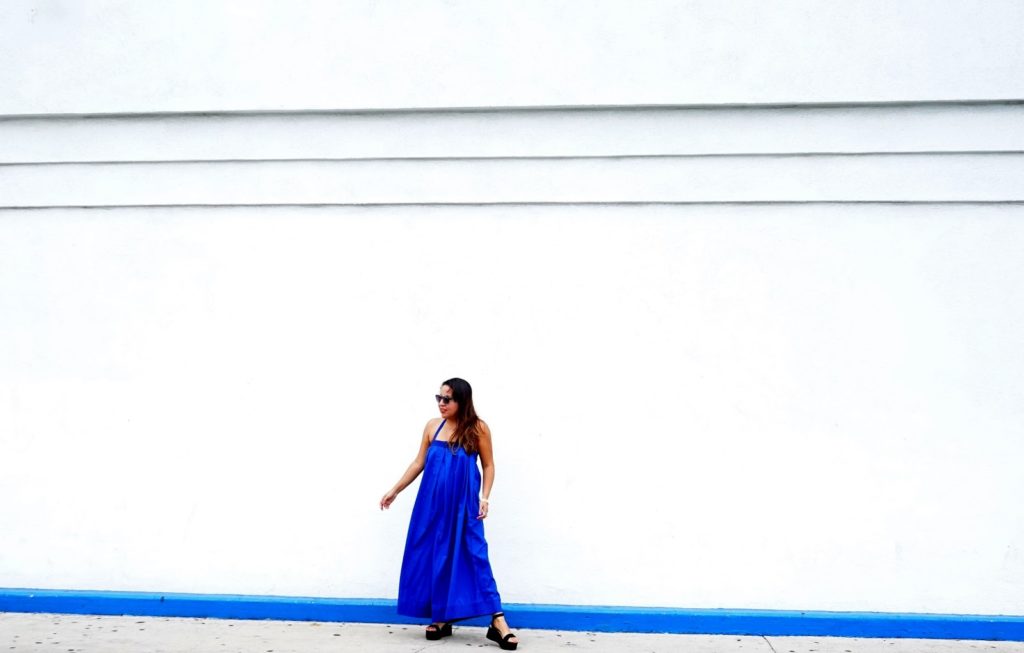
| Colorful Dress | Very High – full outfit statement | Minimalist shoes, delicate jewelry | Ganni Cotton Poplin Smock Dress in a bold print or solid bright (around $250-350) |
The Power of a Single, Dominant Hue
When you choose a statement piece like a vibrant blazer, it becomes the outfit’s anchor. The goal is for that single item to carry the weight of the color. The J.Crew Parke Blazer in vivid pink, for instance, isn’t just an accent; it’s the entire focal point. You don’t need additional bright accessories with it. Its saturation and coverage provide enough visual interest. The other elements of your outfit should recede, allowing the color to shine without competition. This approach makes the outfit feel cohesive and sophisticated, demonstrating intentionality rather than haphazard color mixing.
Balancing a Statement with Neutrals
The key to making a statement piece work is pairing it judiciously. If you’re wearing an Aritzia Wilfred Effortless Pant in a striking blue, opt for a simple white tank, a black turtleneck, or a beige knit top. Minimalist jewelry and shoes in black, white, or nude shades ensure the focus remains on the colorful pant. Similarly, a Ganni Cotton Poplin Smock Dress in a bold print or solid bright benefits from understated styling – think simple sandals or ankle boots, and perhaps only a pair of delicate gold hoops. This balancing act prevents the outfit from becoming overwhelming or clownish. The statement piece speaks for itself; the neutrals provide the perfect supportive cast.
Common Missteps and How to Avoid Them
The biggest pitfall when experimenting with color pops is simply overdoing it. A single, well-chosen pop makes an impact; too many competing brights create visual chaos. Choose one main area for your color injection, then let the rest of your outfit remain a calm, neutral backdrop.
Beyond Primary Colors: Exploring Unexpected Hues
Limiting color pops to just primary colors—red, blue, yellow—is a missed opportunity. While these are certainly impactful, venturing into less common but equally striking shades can elevate your style and make your outfits truly unique. Many people stick to what they know, but a deeper exploration into the color spectrum reveals rich possibilities that offer both boldness and sophistication.
Why Emerald Green or Fuchsia Deserve Your Attention
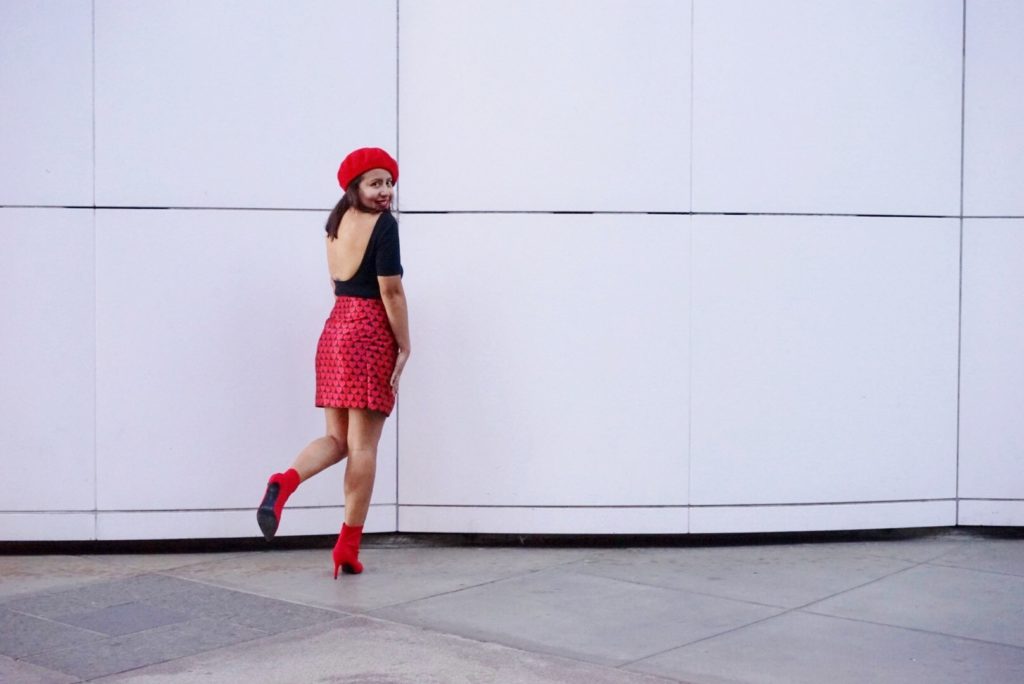
Think about the vibrancy of an emerald green. It’s a jewel tone, inherently luxurious and sophisticated. An emerald green accessory, like a small clutch or a pair of pointed-toe flats, can provide a stunning contrast to an all-black or all-navy outfit without feeling childlike or overly casual. It speaks of elegance and confidence. Similarly, fuchsia is a powerful, energetic color that demands attention. It’s a deeper, richer pink than a bubblegum shade, making it feel more grown-up and chic. A fuchsia top under a charcoal blazer, or a pair of fuchsia earrings, can add an incredibly vibrant and modern touch. These colors are impactful because they’re less ubiquitous than primary shades, allowing your outfit to stand out with a more curated feel. They show a deliberate choice and an understanding of nuanced color application.
Muted Brights: A Sophisticated Alternative
For those who find truly vibrant colors a step too far, there’s a compelling middle ground: muted brights. These are colors that still carry a strong hue but have a slightly desaturated quality, making them softer and easier to integrate. Think of a dusty rose instead of a hot pink, a moss green instead of a lime, or a burnt orange instead of a pure tangerine. These shades offer the benefit of color without the intensity. They provide depth and interest, allowing you to build a cohesive look that feels colorful but not overwhelming. A muted sapphire blue sweater, for example, can add a significant pop of color to a neutral ensemble without shouting. This approach is particularly effective for those who gravitate towards a more minimalist or understated aesthetic but still want to play with color. They are perfect for creating a sophisticated statement that feels natural and effortless.