Beauty

My 8-Year Hunt for the Best Sweaters: 2025’s Top Picks

My 8-Year Hunt for the Best Sweaters: 2025’s Top Picks

Still wrestling with last year’s pilled-up, shapeless knits, wondering if 2025 holds any real advancements in sweater comfort and style? You’re not alone. Every fall, the hunt begins anew: a quest for that perfect sweater that feels luxurious, drapes beautifully, and actually holds up beyond a few washes. As someone who has spent the better part of a decade evaluating countless knits, from budget-friendly blends to investment-level cashmere, I understand the frustration. The market is flooded with options, and separating the truly great from the merely good, or even the downright disappointing, takes time and a keen eye.

For 2025, the landscape of knitwear is shifting. We’re seeing a stronger emphasis on versatile designs, durable fabrics, and a growing demand for transparency in sourcing. It’s no longer just about warmth; it’s about smart design, ethical production, and genuine value. I’ve sifted through the trends, tested the materials, and scrutinized the construction to bring you a definitive guide to the sweaters that will define 2025. My goal is to equip you with the knowledge to make smart choices, ensuring your next sweater isn’t just a purchase, but a cherished addition to your wardrobe.

The Fabric Revolution: Why Your Sweater Material Matters More Than Ever

Before you even think about color or cut, the fiber content of a sweater should be your first consideration. It dictates everything: how it feels, how it wears, how you care for it, and ultimately, its longevity. In 2025, understanding materials isn’t just for textile experts; it’s crucial for any smart shopper. The choices have expanded beyond simple wool, offering nuanced options for different climates, activities, and personal preferences.

Natural fibers continue to dominate the premium market, celebrated for their breathability, softness, and ability to regulate temperature. But synthetic blends have made significant strides, offering enhanced durability, stretch, and often, a more accessible price point. The real key is knowing what each brings to the table and matching it to your needs. A sweater isn’t just a sweater; it’s a carefully engineered garment, and its foundation is its fiber.

The Enduring Appeal of Cashmere: Price vs. Performance

Cashmere remains the gold standard for many, and for good reason. It’s incredibly soft, lightweight, and offers exceptional warmth without bulk. But not all cashmere is created equal. The quality depends on the length and fineness of the fibers. Longer fibers mean less pilling and greater durability. High-quality cashmere, like that from inner Mongolian goats, can be expensive, often starting at $200 and easily reaching upwards of $1,000 for luxury brands. This cost reflects the labor-intensive process of harvesting and processing these delicate fibers. While its luxurious feel is undeniable, cashmere does require careful handling; hand washing or dry cleaning is often recommended. For 2025, the market is seeing more brands offer “accessible cashmere” — often a slightly shorter fiber length or a blend — that brings the price down to the $75-$150 range. This trade-off often means a slightly higher propensity for pilling initially, but still delivers that signature softness.

Merino Wool: The Unsung Hero of Versatility

If cashmere is the king of luxury, merino wool is the undisputed champion of practicality and performance. Sourced from merino sheep, this fine wool is remarkably soft, much finer than traditional lamb’s wool, meaning it rarely feels itchy against the skin. Merino excels at temperature regulation, keeping you warm in the cold and cool in warmer conditions, thanks to its breathability. It’s also naturally odor-resistant and wicks moisture away from the body, making it ideal for layering or even light activity. Prices for quality merino typically range from $80 to $250, offering excellent value for its durability and low-maintenance care (many merino sweaters are machine washable on a gentle cycle). It’s a workhorse fiber that adapts to almost any situation, making it a strong contender for an everyday staple in your 2025 wardrobe.

Cotton Blends and Synthetics: Smart Choices for Specific Needs

While natural fibers often get the most attention, cotton and synthetic blends have a vital role. Cotton sweaters, especially organic cotton, are breathable, hypoallergenic, and machine washable, making them excellent for warmer climates or for those with wool sensitivities. Their crisp hand and ability to hold vibrant dyes also make them a stylish choice, with prices typically between $40 and $100. However, cotton lacks the warmth-to-weight ratio of wool and can stretch out over time. Synthetic blends, incorporating materials like nylon, acrylic, or polyester, shine in areas of durability, shape retention, and often, affordability. These blends can add strength to delicate fibers, prevent shrinking, and introduce interesting textures. While some purists shy away from synthetics, modern manufacturing has vastly improved their feel and performance. For activewear or high-wear items, a thoughtful synthetic blend at a $30-$70 price point can be a very smart investment in 2025, offering longevity and easy care.

Tip: Proper Storage for Longevity

Never hang your sweaters, especially heavier knits. They will stretch and lose their shape over time. Instead, fold them neatly and store them in drawers or on shelves. For cashmere and wool, consider breathable garment bags or cedar blocks to deter moths during off-season storage. This simple habit adds years to a sweater’s life.

2025’s Defining Styles: A Quick Verdict

Discover the excitement of a new job with wooden letter tiles spelling 'NEW JOB' on a grid.

For 2025, the defining sweater styles blend timeless comfort with a touch of modern utility. Expect to see classic crewnecks and cardigans remain strong, elevated by subtle textural changes and refined fits. Oversized, relaxed silhouettes are also holding their ground, emphasizing comfort without sacrificing polish. The key is versatility, allowing easy transitions from casual outings to more put-together looks.

Ethical Knits: Navigating Sustainability in Sweater Choices

In 2025, the conversation around fashion has irrevocably shifted towards sustainability. This isn’t just a trend; it’s an imperative. Choosing an ethical sweater means looking beyond the price tag and considering the entire lifecycle of the garment—from the welfare of animals and workers to the environmental impact of its production. It’s about making informed decisions that align with your values, supporting brands committed to a better future for people and the planet.

The challenge lies in the complexity of supply chains. A sweater might claim to be “eco-friendly,” but what does that truly mean? It requires a deeper dive into certifications, material sourcing, and manufacturing practices. While no brand is perfectly sustainable, many are making significant strides, offering transparency and accountability that empowers consumers to choose wisely. Investing in an ethical knit often means a slightly higher initial cost, but this is offset by its longevity, quality, and the peace of mind that comes from supporting responsible production.

Certifications That Matter: GOTS, Oeko-Tex, RWS

Navigating the world of sustainable certifications can feel like learning a new language. However, a few key labels provide reliable indicators of a brand’s commitment. The Global Organic Textile Standard (GOTS) is one of the most comprehensive, covering everything from the harvesting of raw materials to environmentally and socially responsible manufacturing, and labeling. If you see a GOTS certification, it means the entire supply chain has been audited to strict ecological and social criteria for organic fibers. For wool products, the Responsible Wool Standard (RWS) ensures that wool comes from farms that practice progressive land management and respect the welfare of the sheep. This certification addresses concerns about animal cruelty, such as mulesing. Finally, Oeko-Tex Standard 100 certifies that a textile product has been tested for harmful substances and is therefore safe for human use. While not a “sustainability” certification in itself, it guarantees consumer safety and responsible chemical management. Look for these labels on product descriptions to verify a brand’s claims.

The Promise of Regenerative and Recycled Fibers

Beyond organic and responsibly sourced natural fibers, 2025 is seeing significant innovation in regenerative and recycled materials. Regenerative agriculture practices, for instance, aim to restore degraded soil, improve biodiversity, and sequester carbon. Brands are starting to explore wool and cotton sourced from farms employing these methods, offering a truly positive impact. Recycled fibers, particularly recycled cashmere and wool, are also gaining traction. These materials reduce waste, conserve resources, and lessen the demand for virgin fibers. Producing recycled cashmere, for example, typically uses less water and energy than processing new cashmere. However, it’s important to understand that recycled fibers can sometimes have shorter staple lengths, potentially impacting durability and softness compared to their virgin counterparts. Brands are working to mitigate this through advanced recycling techniques and thoughtful blending. When considering a recycled knit, check for transparency about the recycling process and the percentage of recycled content. These innovations represent a crucial step towards a more circular and less extractive fashion industry.

Tip: The Right Fit Changes Everything

A well-fitting sweater makes a huge difference in how it looks and feels. Don’t just stick to your usual size; consider sizing up for a relaxed, modern look or down for a more fitted, polished silhouette. Pay attention to shoulder seams (they should sit at or just slightly past your natural shoulder line) and sleeve length (should hit at your wrist bone). Try sweaters on with the type of clothing you’d typically wear underneath or over them.

My Top Picks for Everyday Sweaters in 2025

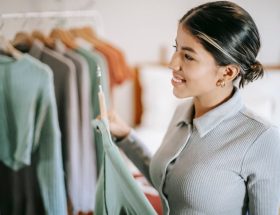
Two women browsing colorful clothing racks in a modern boutique.

After years of trying on countless knits, I have a strong opinion: the best everyday sweaters for 2025 are those that blend comfort, durability, and a clean aesthetic. These aren’t just trendy pieces; they are foundational garments designed to be worn repeatedly, styled in multiple ways, and to endure the rigors of daily life. My picks focus on quality materials, thoughtful construction, and a price point that offers excellent value without sacrificing that luxurious feel.

I prioritize versatility. A great everyday sweater should be able to transition seamlessly from a casual weekend brunch to a slightly more formal evening out. It needs to hold its shape, resist excessive pilling, and feel great against the skin. The brands below consistently deliver on these fronts, making them easy recommendations for anyone looking to upgrade their 2025 knitwear collection.

The Versatile Crewneck: Everlane’s Cashmere Crew ($168)

Everlane has long been a go-to for transparently priced, high-quality basics, and their Cashmere Crew is a standout for 2025. It hits that sweet spot of luxury and affordability. Made from 100% Grade-A cashmere, sourced from Inner Mongolia, it boasts a notoriously soft handfeel. What I appreciate most about this sweater is its balanced weight—not too thin, not too bulky—making it perfect for layering under a jacket or wearing on its own. The fit is classic: relaxed enough for comfort, but structured enough to look polished. Current pricing hovers around $168, which is an exceptional price for true cashmere. It comes in a wide array of colors, from timeless neutrals like ‘Heather Grey’ and ‘Black’ to more seasonal hues. This sweater is my absolute top recommendation for anyone wanting to invest in a versatile, enduring cashmere piece without breaking the bank.

The Dependable Cardigan: J.Crew’s Everyday Merino Cardigan ($98)

A good cardigan is a wardrobe MVP, and J.Crew’s Everyday Merino Cardigan is truly dependable for 2025. Crafted from fine-gauge merino wool, it offers that coveted blend of softness and resilience. It’s lightweight enough to be thrown over a t-shirt or blouse without adding bulk, yet warm enough to provide an extra layer of coziness. The material drapes beautifully and resists wrinkles, making it an excellent travel companion. J.Crew typically offers this style in a range of classic solid colors, ensuring it integrates easily into any existing wardrobe. At around $98, it’s an accessible price for high-quality merino. The button-front design and ribbed cuffs add a touch of classic detail. This cardigan holds its shape well through washes (on a gentle cycle, of course), making it a low-maintenance, high-reward piece.

The Cozy Turtleneck: Naadam’s Essential Cashmere Sweater ($98)

For a cozy yet refined look, Naadam’s Essential Cashmere Sweater, particularly their turtleneck version, is a phenomenal choice for 2025. Naadam built its brand on offering sustainable, ethically sourced cashmere directly from Mongolian herders, cutting out middlemen to provide luxury at a more attainable price. Their ‘Essential’ line, including the turtleneck, is currently priced around $98. This sweater feels incredibly soft from the first wear. It’s a slightly lighter weight than some bulkier turtlenecks, which makes it perfect for layering without feeling constricted. The turtleneck collar isn’t too tight, offering comfortable warmth around the neck. It’s available in a vast palette of colors, making it easy to find one (or two!) that suits your style. For a blend of ethical sourcing, luxurious feel, and an unbeatable price, this is my clear winner for the best cashmere turtleneck.

Tip: Dealing with Pilling Like a Pro

Pilling happens, especially with natural fibers like wool and cashmere, and it’s not always an indicator of poor quality. It’s simply friction causing shorter fibers to knot together. The best way to deal with it is with a fabric shaver or a sweater comb. Gently glide it over the affected areas to remove pills without damaging the fabric. Regular maintenance keeps your sweaters looking fresh and new.

Value Showdown: High-End vs. Accessible Favorites

A woman in a blue sweater enjoying the misty and atmospheric autumn mountain scenery.

When it comes to sweaters, the price spectrum is vast. You can spend $50 or $5,000, and while there are diminishing returns at the very top, there are also significant differences in craftsmanship, materials, and ethical sourcing that justify certain price points. The real question isn’t just “how much does it cost?” but “what value am I getting for my money?” For 2025, I’ve broken down the trade-offs between ultra-luxury investment pieces and the best accessible options that still deliver impressive quality.

Understanding this balance helps you decide where to splurge and where to save. Sometimes, a high-end piece offers a unique blend of heritage, unparalleled materials, and hand-finishing that simply can’t be replicated. Other times, a more accessible brand leverages efficient production and smart sourcing to deliver 90% of the quality at 10% of the price. Both have their place in a well-rounded wardrobe.

Investing in Luxury: Loro Piana and Brunello Cucinelli

When you step into the realm of brands like Loro Piana or Brunello Cucinelli, you are buying into more than just a sweater; you’re investing in a legacy of textile mastery and unparalleled quality. Loro Piana, an Italian company, is renowned for its cashmere and vicuña, often sourcing the finest, rarest fibers in the world. Their sweaters are meticulously crafted, featuring exquisite finishing, perfect seam matching, and often, unique weaves or textures that reflect generations of expertise. Prices for a basic Loro Piana cashmere crewneck typically start around $1,000 to $1,500, with more intricate designs or rare fibers reaching several thousands. Brunello Cucinelli, another Italian luxury brand, emphasizes a philosophy of “humanistic capitalism,” focusing on ethical production and exceptional quality. Their knits are characterized by understated elegance, superior materials (often cashmere blends), and a relaxed yet refined aesthetic. A Cucinelli sweater might cost anywhere from $1,200 to $3,000+. These pieces are designed to last a lifetime, becoming heirlooms. The value here lies in the ultimate expression of luxury, durability, and timeless style, often with a unique handfeel that justifies the steep price point for those who can afford it.

Smart Buys That Deliver: Quince and Uniqlo

On the other end of the spectrum, brands like Quince and Uniqlo have perfected the art of delivering exceptional value. They offer high-quality materials at prices that are genuinely accessible, making premium fibers available to a wider audience. Quince, for example, has built its model on factory-direct sourcing, allowing them to offer 100% Mongolian cashmere sweaters for around $50-$70. While the cashmere might be a slightly shorter staple length than Loro Piana’s, the softness and warmth for the price are truly remarkable. Their sweaters are a fantastic entry point into luxury fibers, providing comfort and style for everyday wear. Uniqlo, a Japanese retailer, excels at high-quality basics. Their Extra Fine Merino Wool sweaters, typically priced around $40-$60, are a perennial favorite. They offer excellent softness, warmth, and resistance to pilling, often available in a vast range of colors and styles. Uniqlo also occasionally offers cashmere blends or 100% cashmere at competitive prices (sometimes $70-$100 during sales). These brands prove that you don’t need to spend a fortune to get a sweater that feels good, looks good, and holds up. They represent smart shopping for the conscious consumer in 2025, prioritizing quality and affordability.

Feature Loro Piana / Brunello Cucinelli (High-End) Quince / Uniqlo (Accessible Favorites)
Average Price (Crewneck) $1,000 – $3,000+ $40 – $100
Primary Materials Finest Cashmere, Vicuña, Silk Blends Mongolian Cashmere, Extra Fine Merino Wool
Craftsmanship Hand-finished, intricate details, heritage techniques Efficient machine knitting, good standard finishing
Longevity Expectation Generational heirloom (with proper care) Multi-year staple (with proper care)
Brand Focus Ultimate luxury, exclusivity, timeless design Value, quality basics, wide accessibility
Ethical Sourcing Often vertically integrated, strong social initiatives Direct-to-consumer, transparent sourcing (Quince); large-scale responsible sourcing (Uniqlo)

So, where does that leave you in the quest for the best sweaters of 2025? It means you have more power than ever to choose wisely. You can either make a significant investment in a piece designed for unparalleled luxury and decades of wear, or you can opt for smart, accessible choices that deliver exceptional comfort and style without the prohibitive price tag. The good news is that quality is becoming more democratized.

No longer do you need to endure scratchy, shapeless knits. With the right knowledge about materials, ethical practices, and the best brands offering genuine value, your 2025 sweater wardrobe can be filled with pieces that not only look fantastic but feel incredible and last for years. The hunt is over. Your perfect sweater is out there, and now you know exactly where to find it.