Wondering what to wear to a spring outdoor wedding without freezing, sinking into the grass, or looking like you ignored the invitation? Start with the ceremony setting and dress code, then choose a dress that can handle wind, uneven ground, and a temperature drop after sunset. The best spring outdoor wedding guest dress is polished, comfortable, and practical enough to wear for six hours.
Start With the Outdoor Ceremony, Not the Dress
The venue decides more than the color of your dress. A garden ceremony, vineyard wedding, beach event, and formal estate wedding all create different clothing problems. Choose the setting first. Shopping before you know the ground, weather, and ceremony time is how guests end up with beautiful outfits they cannot actually wear.
Check the ground and forecast
Grass changes your shoe choice immediately. Thin stilettos sink, pointed heels catch in gaps between paving stones, and long hems drag through damp ground. For a lawn ceremony, choose a block heel between 1.5 and 2.5 inches, a low wedge, or a polished flat. Check the hourly forecast instead of the weekly icon. A 62-degree afternoon can become a chilly 48-degree evening once the sun drops. Wind also matters. A full chiffon skirt may lift during vows, while a close-fitting midi stays controlled.
Match the dress length to movement
A midi hem is the safest choice for most outdoor ceremonies. It looks dressed up, clears wet grass, and works with flats or heels. Maxis suit formal venues, but test the hem with your shoes before buying. If it brushes the floor while you walk, it will collect dirt and become annoying at the reception.
Best overall verdict: choose a midi dress with a stable hem, comfortable shoes, and one light layer you can remove.
Decode the Dress Code Before You Shop
A spring wedding invitation usually gives you a useful boundary, not a complete outfit. “Garden attire” is not the same as cocktail attire. “Formal” does not mean you need a floor-length gown. Read the wording, venue, ceremony time, and wedding party colors together. That combination gives you a better answer than a search for generic wedding guest dresses.
What does garden attire mean?
Garden attire calls for a refined daytime dress with movement and color. A floral print, soft green, dusty blue, coral, or yellow can work well, but the cut should still look intentional. Avoid beachwear fabrics, casual jersey, denim, and anything that resembles a sundress you would wear for errands. A structured bodice, neat waist seam, or elegant neckline lifts the outfit.
What if the invitation is vague?
Use the venue as your tie-breaker. A country club or historic estate points toward polished cocktail dressing. A backyard ceremony allows a relaxed midi with low heels. A late afternoon ceremony that moves into dinner needs more structure than a midday brunch wedding. If the invitation says “dressy casual,” wear a midi dress and refined accessories. Do not show up in jeans, athletic shoes, or a club-style mini.
Skip white, ivory, champagne, and very pale blush unless the couple specifically approves them. Those shades can photograph like bridal white under strong daylight, even when the dress looks pink on your screen.
Pick a Spring Fabric That Handles Real Weather
Fabric matters more outdoors than a trend forecast does. Spring weddings bring cool shade, direct sun, sudden wind, and the occasional wet lawn. The strongest choice is a lined fabric with enough weight to hold its shape. Unlined silk may look elegant but can cling, crease, and reveal more than expected. Very thin polyester can trap heat in the sun and feel cold in the shade.
The prices below reflect recent retailer listings and can change by size, color, or sale status.
| Dress example | Fabric or finish | Best outdoor use | Listed price |
|---|---|---|---|
| Mac Duggal Pink Floral Strapless A-Line Midi Dress | Floral structured dress fabric | Sunny garden ceremony | $358 |
| BHLDN Chiffon Cap-Sleeve Midi Dress | Chiffon with sleeves | Cooler afternoon event | About $438 |
| Mac Duggal Ieena Crepe V-Neck Midi Dress | Crepe | Windy vineyard or estate | About $398 |
| By Anthropologie Victoria Poveda Silk Halter Midi Dress | Silk | Warm, formal spring evening | About $328 |
Choose chiffon for movement
Chiffon works when you want a soft, romantic shape without wearing a heavy dress. Look for a lining through the skirt and bodice. Cap sleeves or a higher neckline add coverage when the temperature falls. The BHLDN Chiffon Cap-Sleeve Midi Dress is the better pick for a cool ceremony because the sleeve gives you useful coverage without turning the outfit into officewear.
Choose crepe when you want control
Crepe has a cleaner drape and usually resists fluttering better than very light chiffon. The Mac Duggal Ieena Crepe V-Neck Midi Dress is the stronger option for a windy location because the fabric keeps a defined shape. Choose silk only for a warm, formal event where you can protect it from rain and rough seating. For unpredictable weather, lined crepe wins.
Choose the Silhouette You Can Actually Wear
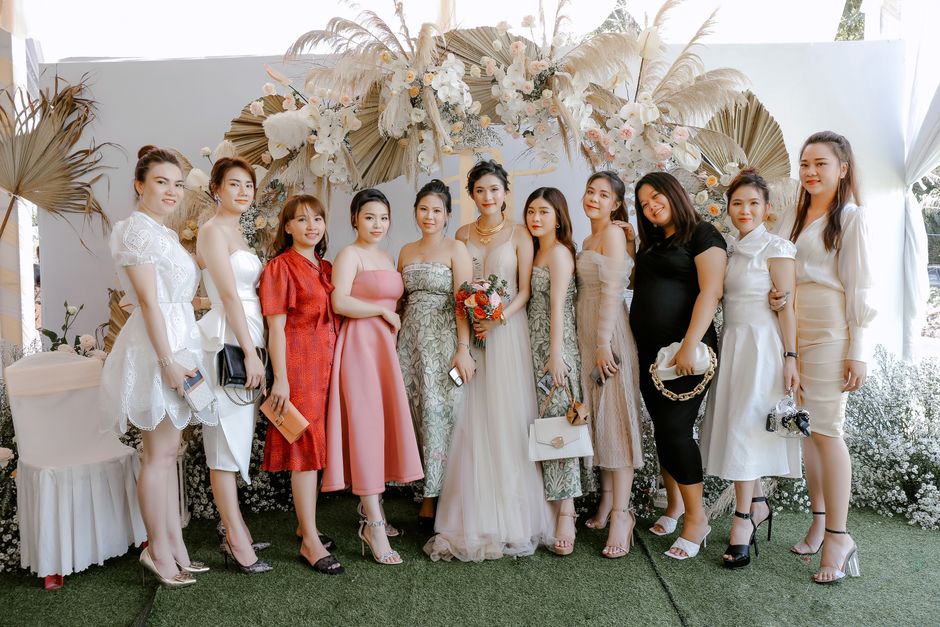
The A-line midi is the best silhouette for a spring outdoor wedding. It gives you room to sit, walk, dance, and eat without needing constant adjustment. A fitted dress can look sharp, but it becomes a poor choice when you need to climb steps, cross grass, or sit on a folding chair for the ceremony.
Why the A-line keeps winning
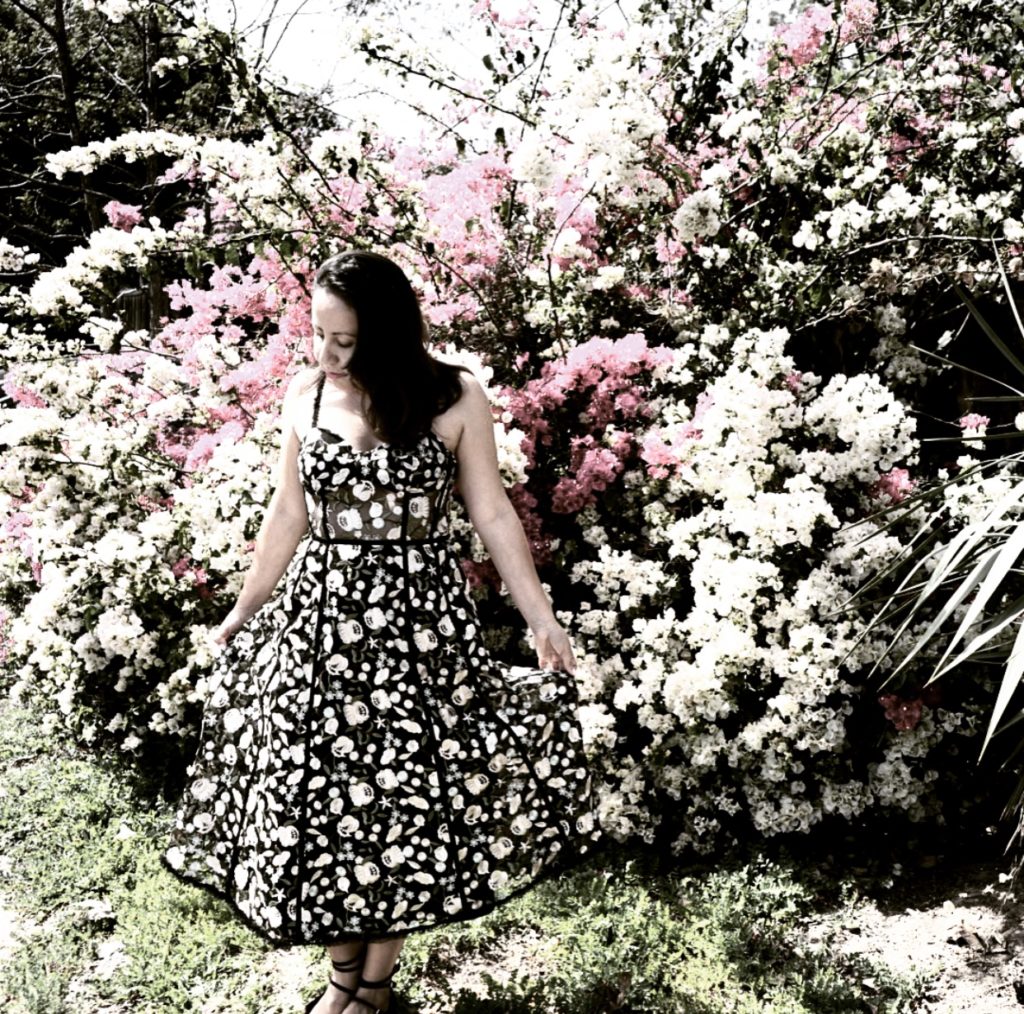
An A-line skirt skims the waist and widens gradually toward the hem. That shape suits block heels, flats, and low sandals. It also gives a floral print enough space to look balanced rather than crowded. The Mac Duggal Pink Floral Strapless A-Line Midi Dress is a strong choice for a warm garden wedding, but the strapless neckline needs a secure fit. If you keep pulling it up, it is the wrong dress, no matter how good the print looks.
When to choose a sheath or slip
A sheath or slip dress works best for a formal venue with firm paths and indoor reception seating. The By Anthropologie Victoria Poveda Silk Halter Midi Dress offers a cleaner, more evening-focused line than an A-line. It is not the best answer for a breezy lawn ceremony because a halter neckline can feel exposed and silk can crease quickly. Choose it for a warm estate wedding with a clear formal dress code, not a casual outdoor barbecue.
Skip extreme cutouts, very high slits, and bodycon shapes when the event requires long periods of standing or walking. The goal is to look composed from the first photograph through the final dance.
Build the Outfit Around Shoes and Layers
Buy the dress only after you know how you will handle your feet and shoulders. Outdoor weddings punish outfits designed from the waist up. Your dress may be perfect, but the wrong shoe or missing layer will make the entire look fail.
Use this three-part outfit test
- Test the shoes on the actual ground. Walk across grass, steps, gravel, and a hard floor. A 2-inch block heel is usually the safest middle ground. Metallic leather, satin, or smooth suede looks formal without the instability of a narrow heel.
- Choose a layer that matches the dress. A cropped cardigan works with a soft daytime dress. A tailored wrap or short blazer suits a structured midi. Avoid a bulky coat that hides the waist and makes the outfit look like two unrelated pieces.
- Pack weather insurance. Bring fashion tape, blister patches, a compact umbrella, and a lightweight scarf. Put them in a small shoulder bag instead of carrying a large everyday tote.
Match accessories to the ceremony time
Daytime weddings need less shine. Choose small earrings, a neat clutch, and one strong accessory such as a printed shoe or sculptural bracelet. Evening receptions can handle metallic sandals and a brighter bag. The Reformation Belden Mini Dress, listed around $278, may work for a city cocktail reception, but its shorter hem is a weak choice for grass, wind, or a conservative ceremony. A midi is the clear winner outdoors.
Wear the finished outfit for ten minutes at home. Sit, bend, raise your arms, and walk up stairs. Any problem you discover at home becomes an embarrassing problem at the wedding.
Avoid the Five Buying Mistakes That Ruin the Outfit
Most wedding guest dress mistakes happen before the event. They come from shopping by photograph instead of by use. Make the practical choice early and you will not spend the ceremony adjusting fabric or hiding uncomfortable shoes.
- Mistake one: buying white-adjacent color. Ivory, cream, champagne, and very pale beige can look bridal in daylight. Choose a stronger color or a print with a clearly colored base.
- Mistake two: trusting the model’s hemline. A dress shown at mid-calf may fall near the ankle on a shorter wearer. Check the garment length and compare it with a dress you already own.
- Mistake three: ignoring the bra plan. Strapless, halter, and low-back styles need support that will stay comfortable for hours. If the only solution is constant adjustment, do not buy the dress.
- Mistake four: choosing a fabric that needs perfect weather. Satin marks easily, silk creases, and unlined chiffon can cling. Use them only when the venue offers shelter and the forecast is stable.
- Mistake five: spending on a dress you cannot repeat. A dramatic cutout or wedding-specific floral may have one useful outing. A colored midi with a clean neckline can work for dinners, graduations, and future ceremonies.
When not to buy the most glamorous option
Do not buy the dress that wins in a mirror but fails when you sit, walk, or add a layer. For a windy outdoor wedding, the Mac Duggal Ieena Crepe V-Neck Midi Dress is a smarter purchase than a loose satin slip. For a warm formal event, the silk halter may be the better choice. The best dress is the one that keeps working after the first photograph.
Use a Ten-Minute Test Before the Wedding
Your final decision should happen at home, not beside the venue entrance. Put on the full outfit, including underwear, shoes, jewelry, bag, and layer. Then test it like a guest, not like someone standing still in a fitting room.
Can I walk, sit, and move comfortably?
Walk for five minutes on several surfaces. Sit in a dining chair and a low chair. Raise both arms, cross your legs, and turn around. The neckline should stay in place, the hem should not catch under your shoes, and the waist should not pinch after a meal. If you need fashion tape for basic movement, replace the dress or alter it before the event.
Does the outfit suit the whole day?
Check the look in direct daylight and indoor light. Make sure the color does not read white in photographs. Add the layer and confirm that it does not crush the sleeves or cover the most useful detail. Take one seated photo and one walking photo. A dress can look perfect from the front and awkward from the side.
For most spring outdoor ceremonies, the final answer is simple: a lined A-line or controlled midi dress, a stable low heel, and a light layer. That outfit handles the cool grass, bright photographs, changing weather, and long reception you were worried about when you first asked what to wear.