Mastering floral prints transforms your wardrobe. It takes understanding how different patterns, fabrics, and scales work. Whether you aim for subtle elegance or a bold statement, knowing the specific steps helps achieve that ‘dreamy’ floral look without feeling overwhelmed. The most important conclusion: always consider the print’s scale in relation to your body and the garment’s texture.
Understanding Floral Prints: Types and Textures
Floral prints are not a monolith; they a vast range of styles, each with its own character and styling potential. Successfully integrating florals into your wardrobe begins with identifying these distinct types and recognizing how fabric choice dramatically alters their impact. Think about the mood you want to convey. A delicate, vintage-inspired print on a flowing silk blouse from Equipment, priced around $250, evokes a very different feeling than a bold, contemporary design on a structured cotton skirt from Zara, typically under $50.
Ditsy and Chintz: Subtle Charm
Ditsy florals feature small, scattered flowers, often with a close repeat. These prints offer a subtle, almost shy charm, making them perfect for those new to florals or seeking a delicate touch. They work wonderfully on lightweight fabrics like chiffon, viscose, or fine cotton. A ditsy print dress from Reformation, usually in the $150-$250 range, often drapes beautifully, making it an easy choice for everyday wear or a casual event. Chintz prints, on the other hand, are typically larger, more ornate, and often feature a glazed finish, giving them a polished, almost antique feel. These patterns are historically found on heavier cottons or brocades, lending themselves to more structured garments like a midi skirt or a tailored jacket. They exude a sophisticated, almost regal vibe.
Botanical and Abstract: Bold Statements
Botanical prints focus on realistic depictions of plants, leaves, and flowers, often with scientific accuracy and vibrant colors. These patterns tend to be larger in scale and command attention. They thrive on fabrics that can hold detail, such as crisp cottons, linen blends, or even polished satin. A botanical print wide-leg pant from Anthropologie, often costing $100-$150, can become the focal point of an entire outfit. In contrast, abstract florals interpret floral motifs through artistic, non-literal forms. They might use blurred lines, exaggerated shapes, or unconventional color palettes, offering a modern, avant-garde aesthetic. These work well on a variety of fabrics, from fluid crepes to structured scuba material, and are ideal for making a fashion-forward statement, perhaps on a blouse from COS around $90.
Fabric’s Role in Floral Impact
The fabric a floral print is on impacts how the pattern behaves and how the garment drapes. Lightweight, fluid fabrics like silk, rayon, or challis allow prints to flow and move, creating a softer, more romantic silhouette. These are excellent for ditsy or watercolor-style florals. Stiffer fabrics like poplin, canvas, or heavy linen give prints a more defined, crisp appearance, ideal for bold botanical or geometric floral designs. Consider a structured cotton dress with a large floral print from Marimekko, priced around $180-$300; the fabric’s rigidity makes the print appear graphic and sharp. Conversely, a sheer floral blouse from H&M, often under $30, relies on its delicate fabric to convey a breezy, ethereal quality.
Selecting the Right Scale: Matching Florals to Your Frame
Choosing the correct floral print size for your body type is crucial for a flattering look. A print that is too large can overwhelm a petite frame, while a print that is too small might get lost on a taller or curvier figure. This isn’t about rigid rules, but about creating visual harmony. Here’s a step-by-step guide to nail it:
- Assess Your Build: Stand in front of a mirror. Consider your overall height, width, and bone structure. Are you generally petite, average, or tall? Slim or curvy?
- For Petite Frames (under 5’4″): Opt for smaller to medium-sized prints. Ditsy florals, delicate sprigs, or scattered patterns work best. These patterns maintain proportion with your smaller frame, preventing the print from ‘wearing’ you. A mini floral print on a well-fitted jumpsuit from Everlane, typically around $120, creates an elongated line without visual bulk. Avoid overly large, sprawling patterns, as they can make you appear smaller.
- For Average to Taller Frames (5’4″-5’9″): You have the most versatility. Medium to large-scale florals are excellent choices. You can confidently wear intricate botanical prints or bold abstract designs. A midi dress with a substantial, evenly spaced floral pattern from J.Crew, often in the $100-$180 range, will look balanced and chic. Even a large, single-motif floral on a statement skirt works well.
- For Curvier Figures: Medium to large-scale prints are generally more flattering. Smaller prints can sometimes exaggerate curves or create a busy, overwhelming effect. A bold, well-defined floral pattern on a maxi dress or a flowy top helps to complement your shape. Look for prints where the floral elements are spaced out rather than tightly packed. A wrap dress from Diane von Fürstenberg with a vibrant, large-scale floral, even if a vintage piece, exemplifies this principle perfectly, often found second-hand for $50-$200.
- Consider the Garment’s Cut: The silhouette of the garment also plays a role. A voluminous skirt can handle a larger print, while a fitted pencil skirt might look better with a more contained pattern. A wide-leg pant with a large floral can look incredibly stylish, while a skinny pant might benefit from a more subtle print.
Ultimately, experiment. Try on different scales and see what feels most comfortable and visually appealing to you. The goal is balance and confidence.
The Art of Pairing: Florals with Solids and Neutrals
Integrating floral pieces into your daily wardrobe often feels like a puzzle. The most reliable method involves pairing them with solid colors. This creates a balanced, sophisticated look. The trick is extracting a color directly from the floral pattern itself, or sticking to timeless neutrals. This approach ensures cohesion and elevates your outfit, preventing it from looking too busy or mismatched. Here is a guide to common pairings:
| Floral Print Dominant Color | Recommended Solid Pairing | Why It Works | Example Garment Pairings |
|---|---|---|---|
| Vibrant Multi-color Floral (e.g., bright pinks, greens, blues) | White, Cream, or Denim | White/cream brightens the look. Denim offers casual balance. Keeps the focus on the vibrant floral. | Floral maxi skirt (e.g., from Farm Rio) with a crisp white t-shirt (e.g., from Uniqlo for $20). |
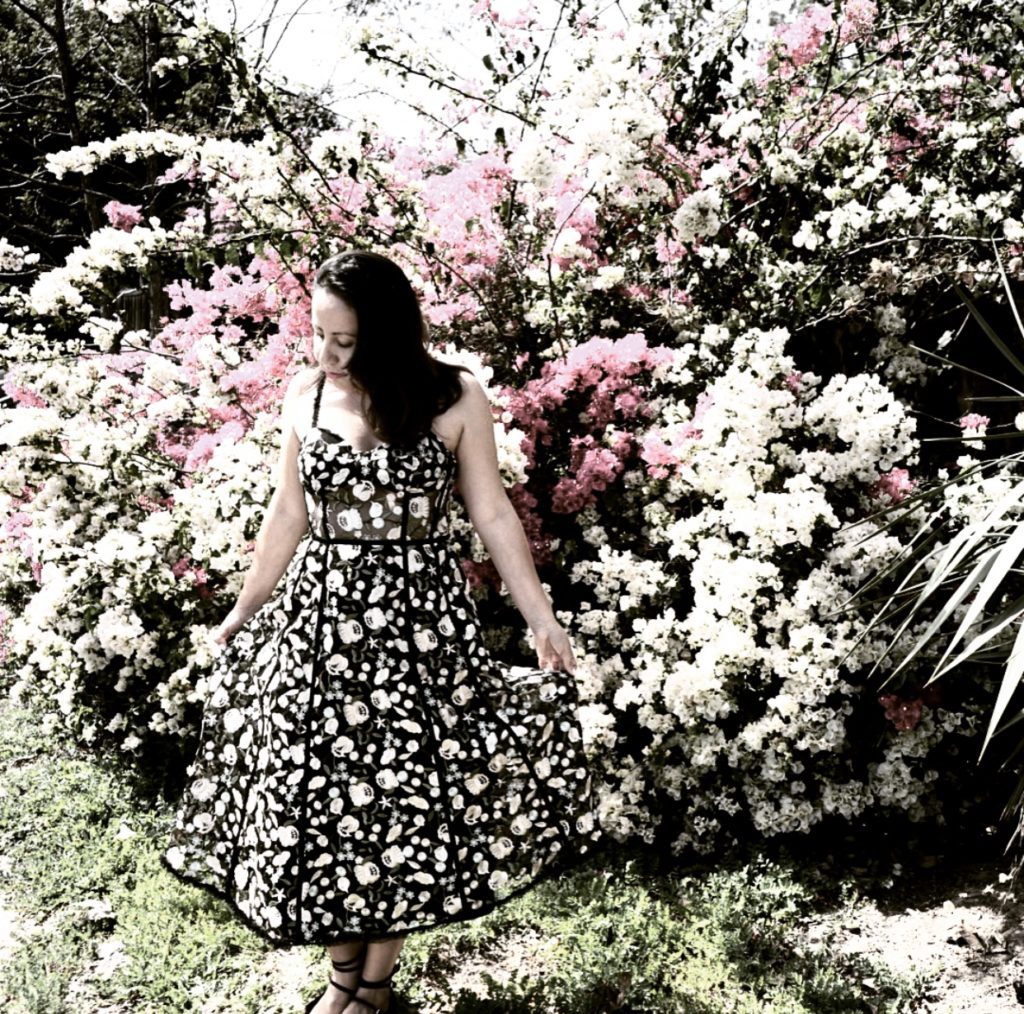
| Dark-based Floral (e.g., navy, black, deep green with bright flowers) | Black, Navy, or Deep Jewel Tones (e.g., emerald, burgundy) | Creates a sophisticated, often autumnal or wintery feel. The dark solid grounds the vibrant print. | Floral silk blouse (e.g., from Equipment) with black tailored trousers (e.g., from COS for $99). |
| Pastel Floral (e.g., soft pinks, blues, lavenders) | Light Gray, Beige, or Blush | Maintains the soft, ethereal quality of the pastel floral. Avoids harsh contrasts. | Floral midi dress (e.g., from & Other Stories for $149) with a light gray cardigan (e.g., from H&M). |
| Warm-toned Floral (e.g., yellows, oranges, reds) | Tan, Brown, Olive Green | Complements the warm tones in the print. Creates an earthy, harmonious palette. | Floral printed wide-leg pants (e.g., from Mango for $60) with a tan linen button-down shirt. |
| Cool-toned Floral (e.g., blues, purples, teals) | Navy, Charcoal Gray, Silver | Enhances the cool undertones. Offers a sleek, polished appearance. | Floral pencil skirt (e.g., from Boden for $90) with a navy silk camisole. |
Choosing a neutral like white, black, or denim is always a safe bet. A classic denim jacket from Levi’s, typically around $80, thrown over a floral dress or paired with a floral top, instantly creates a casual, chic contrast. For a more sophisticated look, pull a single, less dominant color from the floral pattern—even a small leaf green or a background beige—and match a solid top or bottom to it. This technique makes the outfit look intentionally curated.
Mixing Floral Patterns: A Risky or Rewarding Move?
Mixing different floral patterns can be incredibly chic, but it requires a strategic eye. The verdict is clear: it’s a rewarding move when executed deliberately. The key lies in finding common ground, whether it’s a shared color palette, a similar print scale, or a unified fabric texture. When these elements align, the result is a dynamic, fashion-forward statement.
Accessorizing Floral Outfits: The Finishing Touches
Accessorizing a floral outfit completes the look. The right additions can elevate a simple dress or tone down a bold print. It is about balancing the visual weight and adding personal flair. Here’s how to do it effectively:
What kind of shoes work best with floral dresses?
The best shoes depend on the dress’s style and the occasion. For casual daytime looks, white sneakers from brands like Converse ($60) or comfortable espadrille sandals (often $40-$80 from various brands) are excellent choices. They provide a relaxed contrast to the floral print. For a more elevated, feminine vibe, consider strappy sandals in a neutral tone like nude or metallic gold. Pointed-toe flats or block heels work for office-appropriate floral looks or semi-formal events. Avoid overly busy or clunky shoes that compete with the print; simplicity is often best.
How do I choose a handbag for a floral outfit?
A handbag should complement, not clash, with your floral ensemble. Your safest bets are solid-colored bags in neutral tones: black, white, tan, or a metallic like silver or gold. A classic leather crossbody bag from Madewell ($148) in a neutral shade is incredibly versatile. If you want to introduce another color, select one of the less dominant hues from your floral print. For example, if your dress has hints of sage green, a sage green clutch would be a thoughtful addition. Avoid patterned bags unless you’re intentionally attempting a complex print-mixing strategy, which can be tricky to pull off.
What jewelry best complements floral prints?
With florals, less is often more when it comes to jewelry. Simple, delicate pieces tend to work best. Think minimalist gold or silver necklaces, thin hoop earrings, or a few stacked rings. These add sparkle without detracting from the print. Pearls can also offer a classic, elegant touch. If your floral print features bold colors, consider jewelry with a single gemstone in a complementary shade. For instance, a small turquoise pendant could pop against a dress with blue and green florals. Avoid chunky, overly ornate jewelry that could make your look feel cluttered.
Can I wear a belt with a floral dress?
Absolutely. A belt can define your waist, creating a more flattering silhouette and breaking up the floral pattern. For a subtle approach, choose a thin belt in a neutral color that matches either your shoes or a background color in the print. A skinny black leather belt, often around $30-$50 from brands like Mango, is a versatile piece. For a bolder statement, you could use a wider belt in a contrasting solid color, or even a woven straw belt for a bohemian touch. Experiment with placement: wear it at your natural waist for an hourglass shape, or slightly lower for a relaxed fit.
Seasonal Floral Adaptations: From Spring to Winter
The notion that florals are exclusively for spring and summer is entirely misguided. Floral prints are incredibly versatile and can be stylishly adapted for every season. The key is to adjust not just the colors and patterns, but also the fabrics and layering pieces. For enduring appeal, invest in floral pieces that can transition through different temperatures with smart styling.
Spring and Summer: Embrace Lightness
When temperatures rise, gravitate towards lightweight fabrics and vibrant, airy floral prints. Think ditsy patterns on cotton sundresses, large botanical prints on linen trousers, or watercolor florals on silk blouses. Colors should be bright and optimistic—pinks, yellows, blues, and greens. A floral midi skirt from H&M (often around $35) paired with a simple tank top and sandals is a quintessential summer look. For a slightly cooler spring day, layer a denim jacket from Levi’s (around $80) over a floral jumpsuit. Focus on breathability and playful aesthetics. Accessorize with straw bags and open-toe shoes.
Autumn: Deep Tones and Rich Textures
As leaves begin to turn, so should your floral palette. Transition to richer, deeper floral prints set against dark backgrounds like navy, burgundy, forest green, or black. Patterns can be larger and more stylized, perhaps with a vintage or Baroque feel. Fabric choice shifts to heavier materials such as crepe, velvet, or thicker cottons. A floral midi dress in a dark hue from Zara (typically $50-$90) becomes perfect when paired with ankle boots and a tailored blazer from J.Crew ($200-$300). Layering is essential: consider a fitted turtleneck under a floral slip dress, or a chunky knit cardigan over a floral blouse. The aim is warmth and depth.
Winter: Moody Florals and Strategic Layering
Winter florals are all about luxurious fabrics and moody, sophisticated color schemes. Think dark, dramatic prints with hints of metallic sheen or rich, jewel-toned flowers on black or deep gray backgrounds. Velvet, brocade, and heavy silk are ideal fabrics. A long-sleeved floral maxi dress in velvet from Reformation ($250-$350) offers both elegance and warmth. Layering is your best friend: pair floral skirts or dresses with opaque tights, knee-high boots, and a structured wool coat (e.g., from COS, around $300). Cashmere sweaters over floral trousers or a floral blouse under a sleek leather jacket also create visually interesting and warm ensembles. Don’t shy away from statement floral prints on accessories like scarves or gloves to add a pop of life to otherwise muted winter outfits.
Maintaining Your Floral Garments: Care for Longevity
Proper care extends the life and vibrancy of your floral pieces. Different fabrics demand specific attention, but a few general guidelines ensure your garments remain beautiful for seasons to come. Neglecting care instructions can lead to fading, shrinking, or damage to delicate prints. It is worth taking the time to understand the fabric and its needs.
Reading Care Labels: The First Step
Always check the care label inside your garment. This small tag provides crucial information on washing temperature, drying methods, and ironing instructions specific to the fabric composition. Synthetics like polyester often allow for machine washing, while natural fibers such as silk, rayon, or linen frequently require hand washing or dry cleaning. Ignoring these symbols can drastically shorten the garment’s lifespan.
Washing Techniques for Delicate Prints
For delicate floral prints, especially on fabrics like silk, rayon, or chiffon, hand washing is often the safest bet. Use cold water and a mild detergent. Gently swirl the garment in the water, avoiding harsh scrubbing or twisting. Rinse thoroughly with cool water until all soap is removed. Alternatively, if machine washing is permitted, always use a gentle cycle with cold water. Turning the garment inside out before washing helps protect the print from friction. Placing delicate items in a mesh laundry bag provides an extra layer of protection, preventing snags or stretching from other items in the wash.
Drying and Ironing Floral Fabrics
Air drying is generally preferred for most floral garments to prevent shrinking, fading, and damage to elastic or delicate fibers. Lay items flat on a clean towel or hang them on a padded hanger, away from direct sunlight, which can cause colors to fade. Avoid tumble drying unless explicitly stated on the care label, and even then, use the lowest heat setting. When ironing, always check the fabric type and set your iron accordingly. For delicate fabrics, use a low heat setting or place a thin cloth (a pressing cloth) between the iron and the garment to prevent scorching or damage to the print. Ironing floral prints on the reverse side can also help protect the colors and details.
By understanding the nuances of different floral prints, selecting the right scale, mastering pairing techniques, and ensuring proper care, you can confidently integrate these beautiful patterns into your personal style. No more struggling with mismatched pieces or feeling overwhelmed by a busy print. Your wardrobe will flourish with perfectly styled floral ensembles, ready for any occasion, from a casual brunch to a sophisticated evening out.