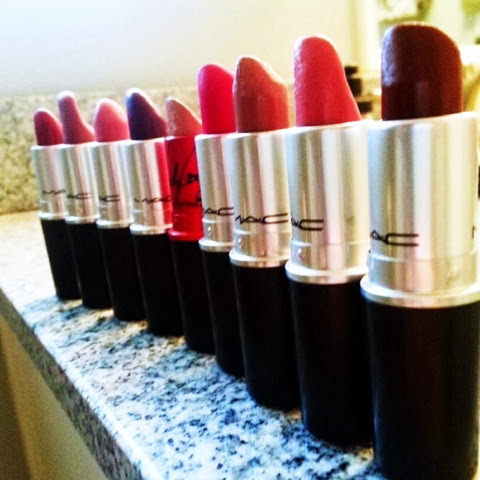
MAC Cosmetics sells a lipstick every few seconds. No exaggeration — Ruby Woo alone has sold millions of tubes since 1999. That kind of staying power does not happen by accident.
But not everything MAC makes deserves that loyalty. Some products are genuinely exceptional. Others are riding on reputation. If you are about to go on a MAC run — or recovering from one — this guide tells you exactly where your money should and should not go.
Why MAC Still Matters in 2026
MAC launched in 1984 in a Toronto hair salon. By the 90s, it was the brand backstage at every major fashion week. That proximity to professional makeup artistry shaped everything about how MAC formulates products — heavy pigmentation, long wear, textures that photograph well under studio lighting.
Most makeup brands are built for the consumer. MAC was originally built for the artist.
That distinction still shows. The Pro line is sold only at MAC Pro stores to verified professionals. But even standard retail products carry that DNA — denser pigment loads, broader shade ranges, textures that hold under heat and humidity without budging.
The shade range alone sets MAC apart. Over 60 foundation shades across multiple formulas. Fenty Beauty gets credit for pushing the industry on shade diversity in 2017, but MAC had NC50 and NW58 decades before that. The brand was solving that problem before it became a conversation.
MAC also never abandoned the makeup counter model. You can get a free shade consultation at any MAC counter with zero purchase obligation. It sounds minor. It is not — especially when you are matching foundation or figuring out which concealer formula suits your skin type.
The Problem MAC Was Actually Solving
Frank Toskan and Frank Angelo created MAC partly because professional makeup photographed poorly on deeper skin tones under studio flash. That specific problem — pigment that reads true under harsh light — drove early formulation choices. It is why MAC eyeshadows in shades like Blackout ($20) still outperform most viral shadow singles in pigment density and blendability. The pan is boring. The shadow is exceptional.
How MAC Differs from Sephora-Native Brands
Brands like Charlotte Tilbury, Rare Beauty, and Fenty are designed with social media in mind. They photograph beautifully, have sleek packaging, and show up well in unboxing content. MAC is older and less aesthetically exciting. But the formulas — especially in lip and eye — are often technically superior. The tradeoff is real and worth knowing before you walk into a store.
MAC Products Worth Every Dollar: A Comparison
| Product | Price | Why It Works | Best For | Worth It? |
|---|---|---|---|---|
| Ruby Woo Lipstick | $22 | Matte blue-red, holds 6-8 hours without liner | Fair to medium, cool undertones | Yes — iconic for a reason |
| Studio Fix Fluid Foundation | $40 | SPF 15, medium-full coverage, true matte finish | Oily and combination skin | Yes — 66 shades, professional hold |
| Fix+ Setting Spray | $28 | Melts powder into skin, adds lasting dewiness | Everyone, especially powder users | Yes — one of the best in its category |
| Soft and Gentle Highlighter | $37 | Champagne-gold, fine shimmer, no glitter chunks | Medium to deep skin tones especially | Yes — cult status is earned |
| Pro Longwear Concealer | $28 | 24-hour wear, creamy texture, wide shade range | Dry to normal skin | Borderline — NARS Radiant Creamy is comparable |
| Strobe Cream | $38 | Pearlescent primer and highlighter hybrid | Dry or dull skin types | Yes — no good drugstore dupe exists |
| Prep + Prime Skin | $30 | Hydrating primer, smooths without silicone heaviness | Normal to dry skin | Situational — depends on your foundation |
The clear winners are Ruby Woo, Studio Fix Fluid, Fix+, and Soft and Gentle. Those four alone justify knowing the brand. The others are good — not irreplaceable.
MAC Lipstick: The Widest Formula Range in Prestige Makeup
MAC makes the best lipsticks in the prestige makeup category. That is a strong claim. It holds up across formula breadth, shade range, and price point. No other prestige brand comes close to offering nine distinct finishes — Matte, Cremesheen, Amplified, Satin, Lustre, Frost, Glaze, Sheen Supreme, and Retro Matte. Most brands offer two or three. MAC gives you a texture for every occasion, every preference, every season.
The Three Finishes That Actually Matter
Matte is the workhorse. Ruby Woo ($22) and Velvet Teddy ($22) are the two most-purchased shades globally for a reason. Ruby Woo is a blue-toned red that flatters cool undertones and reads as a true red without going orange. Velvet Teddy is a warm mid-tone nude that flatters skin tones from NC15 to NC45. Both last five to six hours without liner.
Retro Matte is denser and drier than standard Matte. Not comfortable for dry lips — full stop. But if you need a lip color that survives lunch, a meeting, and a commute, shades like Dangerous ($22) and All Fired Up ($22) do what no gloss or satin can.
Cremesheen is the comfort pick. Brave ($22) is a near-perfect your-lips-but-better shade — faint pink, glossy, moisturizing enough to wear alone. If you have dry lips that resist matte formulas, start here. It is also the easiest MAC lipstick to wear without mirror or liner.
What the Shade Codes Actually Mean
MAC lipstick shade names are poetic but not informative. Twig, Velvet Teddy, Brave — none of those names tell you the actual color. You need to swatch or use MAC’s online shade finder, which now flags warm, cool, and neutral undertones for each shade. Use it. The undertone matters far more than the shade name when buying online.
How MAC Foundation Shades Actually Work
The NC and NW System Decoded
MAC uses NC and NW coding for foundation shades. NC stands for neutral cool and NW stands for neutral warm. Confusingly, NC shades have yellow and warm undertones, while NW shades have pink and red undertones. The naming is backwards from what you would expect. But it is completely consistent once you know the logic — and it makes shade matching at the counter much faster.
Numbers run from 10 (lightest) to 60 and above (deepest). NC15 is a light, yellow-undertone shade. NW45 is a deeper shade with pink undertones. Most people fall somewhere between NC20 and NW40.
Which Foundation Formula to Start With
MAC offers around eight foundation formulas. Three are worth knowing for a first purchase:
- Studio Fix Fluid ($40) — medium-full coverage, matte finish, SPF 15. Holds 8-plus hours without touch-up. Best for oily and combination skin.
- Studio Fix Powder Plus Foundation ($36) — a pressed powder that functions as foundation. Great for travel, midday reapplication, or anyone who runs oily by noon.
- Face and Body Foundation ($30) — sheer, dewy, water-based. Used heavily backstage at fashion week. Buildable to medium coverage. Best for dry skin or anyone after a natural finish.
For oily skin: Studio Fix Fluid. For dry or normal skin: Face and Body. Cannot decide — go to a counter and ask for a side-by-side comparison on your skin.
One Advantage MAC Has That Gets Overlooked
A free shade match at any MAC counter with no purchase required. This matters more than people realize. Getting foundation wrong at home wastes $40 and a week of returns. Ten minutes at a counter prevents that entirely. Most Sephora-exclusive brands do not offer this kind of one-on-one service.
When to Skip MAC Entirely
If you have dry skin and want a dewy, glass-skin finish, the e.l.f. Halo Glow Liquid Filter ($14) or Charlotte Tilbury Airbrush Flawless Finish ($56) will serve you better than almost any MAC foundation formula. MAC leans matte — it was built for the stage and the studio, not for skincare-finish looks. Know that going in.
MAC Mistakes That Cost Real Money
Most people who end up disappointed with MAC made one of these five errors:
- Buying limited edition without knowing your shade. MAC drops limited collections constantly — Holiday, Viva Glam collabs, fashion week tie-ins. The packaging is beautiful. The shades are often unusual. If you do not know your undertone yet, a limited edition purchase is a gamble. Buy standard line first, experiment later.
- Choosing the wrong lipstick finish for their lips. Retro Matte and standard Matte look stunning on hydrated, smooth lips. On dry or peeling lips, they emphasize every crack. If your lips need moisture, Cremesheen or Lustre is not a compromise — it is the correct choice for your skin condition.
- Skipping primer under Studio Fix Fluid. Studio Fix Fluid on bare skin can look cakey after four to five hours. A layer of Prep + Prime Skin ($30) underneath extends wear and improves the finish significantly. This is the most common Studio Fix complaint, and it is almost always a prep issue, not a formula issue.
- Buying MAC eyeshadow singles instead of palettes. Individual MAC eyeshadow pans run $15 each. Four singles cost $60. The MAC x Mackie palette or any of the brand’s 15-pan pro palettes offers far better cost efficiency the moment you buy more than four shades regularly.
- Ignoring Fix+ spray. Fix+ ($28) is not optional if you use MAC powder products. It is what prevents the dusty, flat look that pressed powders leave behind. Without it, Studio Fix Powder looks like powder on your face. With it, it looks like skin. This one product changes the finish of every powder in your bag.
Building a First MAC Kit Under $130
You do not need everything at once. A complete, functional MAC base can be built in four targeted purchases.
- Step 1 — One lipstick in your best shade ($22). Go to a counter, swatch three or four options, and pick the one that makes your face look most awake without effort. Velvet Teddy and Velvet Punch are strong starting points for warm undertones. Brave and Twig read cleanly on cooler undertones.
- Step 2 — Fix+ spray ($28). Works on any makeup, not just MAC. Makes powder look like skin. Use it last, every time, two or three spritzes from 10 inches away.
- Step 3 — Studio Fix Fluid or Face and Body Foundation ($30-$40). Get matched at the counter. Do not guess from swatches online — the NC and NW system only makes sense against your actual undertone in natural light.
- Step 4 — Soft and Gentle Highlighter ($37). Champagne-gold with fine pearl shimmer. Not glitter, not blinding — just light. One of the most universally flattering highlighters at this price point across any brand.
Total: approximately $117 to $127. That is a complete base and a highlight. The lipstick is useful on day one before you own any other MAC product — buy it first and wear it with whatever you already have.
If you add a fifth product, make it MAC Powder Blush in Melba ($28) — a peachy-neutral that reads naturally on most skin tones and ties the whole base together without competing with the lip color.
For someone who owns nothing from MAC and wants to start smart: Ruby Woo lipstick, a counter shade match for foundation, and Fix+ spray. Three products, under $90. That is the MAC attack done right.