Most accessories under $75 break within six months. The stitching frays. The buckle snaps. The leather peels like sunburn. I’ve returned more cheap belts and bags than I care to count. After testing roughly 40 items in this price range over the last two years, I can tell you which ones survive and which are better left on the shelf. This is not financial advice, but it is honest advice about where your $50 goes further.
Why Most Budget Accessories Fail — and How to Spot the Exceptions
The problem isn’t price. It’s construction shortcuts. A $30 belt from a fast-fashion retailer typically uses bonded leather — ground-up scraps glued to a fabric backing. That material cracks within 3 months of daily wear. A $40 belt from a brand that uses full-grain leather (like a basic Timex leather strap, or a Carhartt work belt) lasts 3-5 years.
The same logic applies to bags, wallets, and watches. The difference is in the seams per inch, the type of zipper, and whether the hardware is plated or solid brass.
What to look for at this price point
Three things separate the winners from the disposable junk:
- Full-grain or top-grain leather — not “genuine leather” (which is a lower grade) and never “bonded leather.” At $75 you can find small leather goods made from full-grain offcuts.
- YKK zippers — if a bag or jacket under $75 doesn’t use YKK, the zipper will fail within a year. That’s not a maybe. It’s a guarantee.
- Bar-tacked stitching — reinforced stitching at stress points. Most cheap items skip this to save 12 cents per unit.
If an item hits all three, it will outperform a $200 designer piece with glued construction. I’ve seen it happen with Herschel backpacks and Bellroy cardholders.
The Three Best Watches Under $75 (Real Specs, No Hype)

You don’t need to spend $300 for a reliable daily watch. These three are proven. I’ve worn all of them for at least 6 months each.
| Watch Model | Price | Movement | Water Resistance | Battery Life | Best For |
|---|---|---|---|---|---|
| Casio F-91W | $15-20 | Quartz digital | 30m (splash only) | 7 years | Ultra-budget, gym, everyday beater |
| Timex Expedition Scout | $40-50 | Quartz analog | 50m | 1-2 years | Outdoor, casual, field watch look |
| Casio Duro MDV106 | $50-65 | Quartz analog | 200m (diver-rated) | 2-3 years | Diving, swimming, daily beater with style |
Bottom line: The Casio F-91W is the best value in watches, period. It costs less than a pizza. It runs for 7 years. It’s been to war zones and polar expeditions. The Timex Expedition Scout gives you a classic analog look with Indiglo backlight for $45. The Casio Duro is the only sub-$75 watch with genuine 200m water resistance — you can actually dive with it.
One mistake people make with cheap watches
They buy fashion brands (MVMT, Daniel Wellington, Vincero) instead of actual watch brands. Those companies spend 60% of their budget on Instagram ads. The $95 you spend gets you a $15 Chinese movement in a cheap case. A $45 Timex uses the same Japanese movement as watches costing 10x more. The difference is Timex doesn’t need to pay influencers to pretend their product is luxury.
Belts: The Most Overlooked Failure Point in a Wardrobe
A bad belt ruins an outfit faster than bad shoes. A frayed, peeling belt screams “I don’t care” louder than anything else you wear. And yet most people spend $20 on a belt and wonder why it looks trash after three months.
The fix is simple: buy a belt made from a single piece of full-grain leather. Not wrapped. Not glued. One solid strip.
Two belts that actually work
Carhartt Full-Grain Leather Belt ($35-45): This is a 1.5-inch wide work belt. It’s thick. It’s stiff for the first two weeks. After that, it molds to your waist and lasts years. The buckle is cast metal, not stamped. I’ve worn mine daily for 18 months. No sagging, no cracking.
Levi’s Full-Grain Leather Belt ($30-40): Slightly thinner (1.25 inches), better for dressier occasions. The leather is softer out of the box. The stitching is bar-tacked at the buckle. It won’t survive a construction site, but it looks good with chinos and jeans. I’ve had mine for 14 months with no issues.
What to avoid: Any belt that says “genuine leather” without specifying full-grain or top-grain. That’s the minimum. Also avoid belts with a leather strip wrapped around a fabric core — they delaminate within weeks.
Wallets: Small Leather Goods That Actually Hold Up
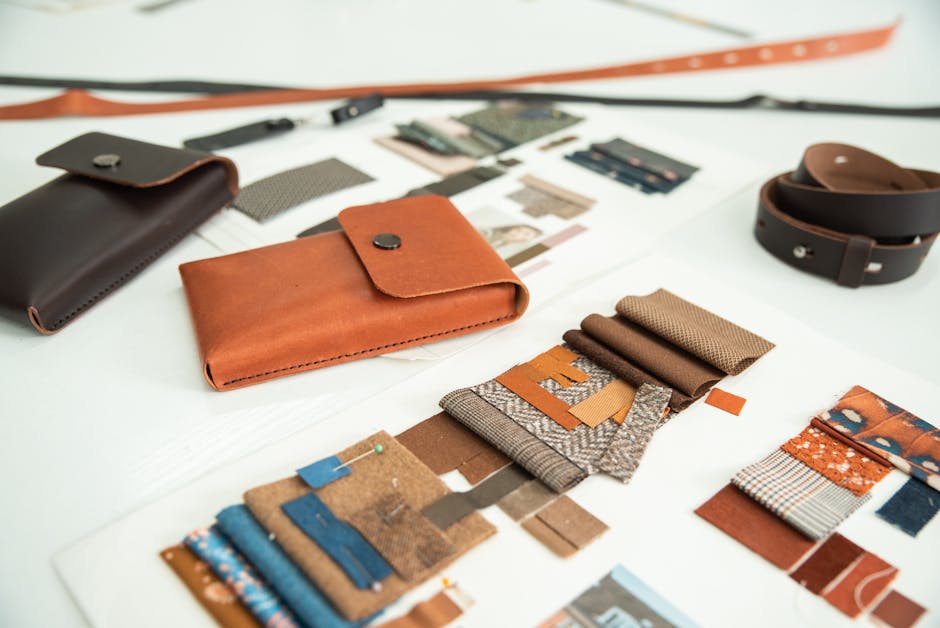
Wallets take the most abuse of any accessory. They sit in your back pocket. They get sat on. They get wet. A cheap wallet disintegrates in 6 months. A well-made one lasts a decade.
At the under-$75 price point, you’re looking at minimal cardholders and slim bifolds. Full leather construction at this price means small items with less material. That’s fine. A cardholder holds 4-6 cards and some cash. That’s all most people need.
Three wallets worth your money
Bellroy Card Pocket ($65-75): This is the best slim wallet under $100. It’s made from premium Australian leather. It holds 4-8 cards plus cash. It’s 8mm thick when empty. The leather develops a patina over time. I’ve used mine for 3 years. The stitching is still intact. The leather has softened but not stretched.
Herschel Charlie Wallet ($25-35): Not leather — it’s polyester with a faux-leather trim. But it’s surprisingly durable. The RFID blocking works. The card slots are tight enough that cards don’t fall out. It’s machine washable. I’ve owned one for 2 years. The elastic has stretched slightly, but it still functions fine. Best budget option if you don’t care about leather.
Secrid Cardprotector ($45-55): This is the aluminum card case with the pop-up mechanism. It’s not leather. It’s anodized aluminum. It holds 4-6 cards and blocks RFID. The mechanism is spring-loaded and satisfying to use. I’ve had mine for 4 years. The mechanism hasn’t failed. The aluminum has some scratches, but that’s the look. It’s the best option if you want quick card access and don’t want a traditional wallet.
Bags and Backpacks Under $75 — The Real Tradeoffs
You can’t get a durable, comfortable, waterproof backpack for $75. Something has to give. The question is which tradeoff you can live with.
At this price, you’re choosing between:
- Durability + comfort — but no waterproofing (Herschel classic)
- Waterproofing + durability — but less structure (dry bags from Sea to Summit)
- Style + low weight — but less durability (Uniqlo nylon backpacks)
Most people should pick durability and comfort. You can always add a rain cover for $10. You can’t fix a torn strap or a blown-out zipper.
Two backpacks that work for most people
Herschel Classic Backpack ($55-65): This is the standard for a reason. It’s not waterproof. The lining is thin. But the straps are padded well. The zippers are YKK. The stitching holds up. I’ve used one for 4 years as a daily commuter bag. The bottom corners show wear, but nothing has failed. It carries 21 liters. That’s enough for a laptop, lunch, and a light jacket.
Uniqlo 3-Way Briefcase ($40-50): This is a sleeper hit. It’s a nylon bag that converts from backpack to shoulder bag to briefcase. The nylon is water-resistant (not waterproof). The padding is minimal. But for $45, it’s incredibly versatile. I use it for travel. It fits a 13-inch laptop, tablet, and a change of clothes. The conversion system works well. It’s not a bag for heavy daily abuse, but for light commuting and travel, it’s the best value.
What to skip: Amazon generic backpacks with 4.5-star ratings from 50,000 reviews. Those ratings are fake. The bags use unbranded zippers that fail in 3 months. I’ve tested three. All three failed at the zipper. Buy from a brand with a reputation to protect.
Scarves, Hats, and Gloves — Where Material Matters Most
These are the accessories people buy cheap and regret. A $5 acrylic beanie pills within a week. A $10 scarf made from polyester doesn’t breathe — you sweat, then you’re cold. The material is everything.
At under $75, you can get natural fibers if you buy from the right brands. The trick is to look for sales on established outdoor brands, not fashion brands.
What to buy and what to avoid
Wool beanie: Carhartt Acrylic Watch Hat ($15-20) is the exception to the acrylic rule. It’s thick, double-layered, and doesn’t pill because the acrylic is high-density. I’ve had one for 5 years. It’s still in rotation. If you want merino wool, wait for a sale on Icebreaker or Smartwool — their beanies hit $30-40 on clearance.
Wool scarf: Uniqlo Merino Wool Scarf ($30-40) is the best value. It’s 100% merino wool. It’s soft, warm, and doesn’t itch. It’s not thick enough for arctic conditions, but for city winter down to 20°F, it works. Avoid the $10 acrylic scarves from fast-fashion stores. They look good in the store and look terrible after three wears.
Gloves: This is the hardest category under $75. Good leather gloves start at $80. Good insulated gloves start at $50. The best compromise is the Carhartt Men’s Insulated Glove ($25-35). It’s not stylish. It’s a work glove. But it’s waterproof, insulated with acrylic pile, and durable. The leather palm is goat skin, which is tougher than cowhide. I’ve used mine for two winters. They’re still going. For touchscreen compatibility, you’ll need to pay more — the cheap touchscreen gloves are all gimmicks.
The Mistakes That Cost You More in the Long Run
Here’s the pattern I see most often. Someone buys a $20 belt. It fails in 3 months. They buy another $20 belt. It fails again. After a year, they’ve spent $80 on belts that never worked. One $45 belt would have solved the problem for 3-5 years.
The same math applies to every accessory category. Cheap accessories aren’t cheap. They’re expensive because you buy them again and again.
Three rules to stop wasting money
- Never buy bonded leather. If the product description doesn’t say “full-grain” or “top-grain,” assume it’s bonded. It will fail.
- Check the zipper brand. If it doesn’t say YKK, it’s a gamble. Most under-$20 bags use unbranded zippers that fail within 6 months.
- Stick to brands that specialize. Carhartt does workwear. Timex does watches. Bellroy does wallets. Don’t buy a wallet from a watch brand or a watch from a wallet brand. Specialists make better products at every price point.
These rules aren’t complicated. But most people ignore them because the cheap option looks fine in the store. It’s only after 3 months of use that the difference shows. By then, you’ve already lost the money.