Fifteen items produced 31 wearable outfits during my month-long test. The surprise was not that I could repeat clothes. It was that the right trousers, shoes, and color choices mattered more than owning a large collection. Here is the practical system I used, what failed, and who should avoid copying it exactly.
What counts as a 15-item wardrobe?
A 15-item wardrobe needs a clear boundary before you start. I counted clothing, outerwear, and shoes, but excluded underwear, sleepwear, gym clothes, jewelry, one cold-weather coat, and one bag. That rule kept the experiment realistic for daily dressing instead of turning it into a styling stunt.
My exact 15-item list
The final list contained four tops, three bottoms, one dress, two knit layers, one overshirt, one blazer, and three pairs of shoes. My tops were two neutral T-shirts, one striped shirt, and one white button-down. The bottoms were straight-leg jeans, black trousers, and relaxed chinos. The dress worked for office days and dinners when I changed the shoes and layer.
Why the third shoe mattered most
The biggest upgrade was not another top. It was adding one practical shoe for walking, one polished option, and one weather-resistant pair. A Uniqlo Supima Cotton T-shirt at about $25 was easy to repeat, while Levi’s 501 Original jeans at about $80 gave the outfits structure. The shoes changed the mood of those same pieces more than a fourth shirt would have done.
The lesson was simple: count by outfit function, not by garment type. A wardrobe with five tops and no useful shoes still creates fewer outfits than a balanced 15-piece set.
How do you choose 15 clothes for a month?
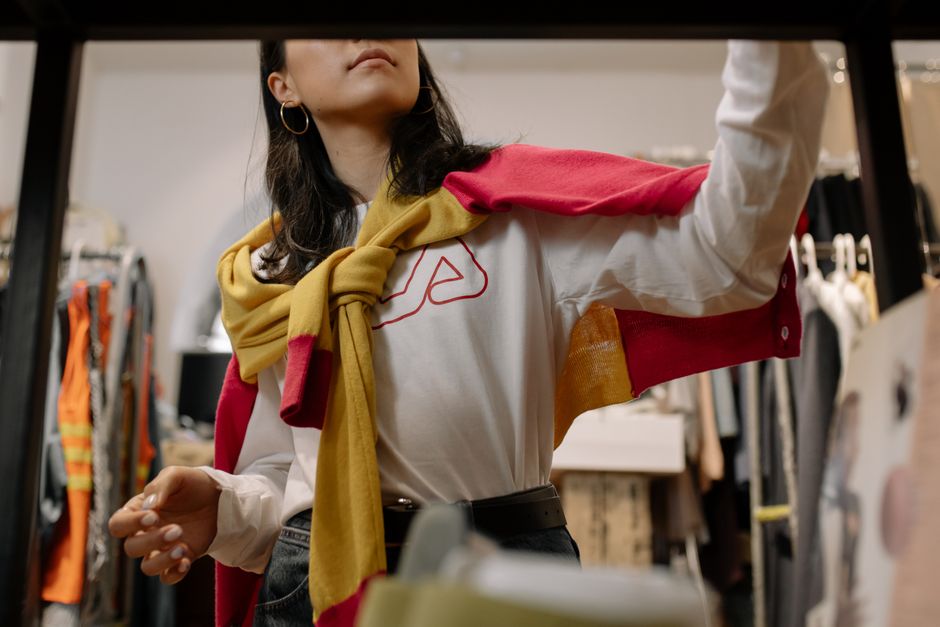
Start with your real calendar, not an imaginary lifestyle. I reviewed four weeks of work, errands, social plans, weather, and laundry access. Then I chose items that solved repeated situations. The selection below shows the balance that worked best for a casual office routine.
| Wardrobe role | Quantity | Selection rule | Why it earned space |
|---|---|---|---|
| Everyday tops | 4 | Two neutrals, one pattern, one polished shirt | Enough variation without weak one-use pieces |
| Bottoms | 3 | One denim, one dark trouser, one casual pair | Each bottom supported at least five outfits |
| Layering pieces | 4 | Two knits, one overshirt, one blazer | Changed warmth and formality |
| Dress | 1 | Simple shape in a repeatable color | Covered dinners and dressier plans |
| Shoes | 3 | Walking, polished, and rain-ready | Extended the range of every outfit |
Use the two-wear test
Before an item entered the wardrobe, I built at least two complete outfits around it. If a top only worked with one trouser, it failed. If a blazer required special shoes and a special bag, it became too demanding for a small rotation. This test removed attractive pieces that created extra decisions instead of useful outfits.
Match the washing schedule
Choose enough basics for your actual laundry cycle. With laundry every five or six days, four tops and three bottoms felt comfortable. If you wash once every ten days, 15 items may feel restrictive unless you include washable fabrics and plan a midweek load. The best capsule wardrobe fits your habits rather than forcing new ones.
How can 15 items create enough outfit combinations?
The wardrobe became useful when I stopped treating every outfit as a fresh invention. I used a short formula: base item, contrast item, finishing layer, then shoes. That process made getting dressed faster and exposed the gaps in my collection.
Build outfits in this order
- Pick the anchor. Start with the item that controls the shape, such as straight jeans, black trousers, or the dress.
- Add contrast. Pair a loose bottom with a closer-fitting top, or balance a fitted shirt with relaxed trousers.
- Choose one layer. Use a cardigan for softness, an overshirt for casual structure, or a blazer for a sharper line.
- Change the shoe last. Sneakers keep the outfit practical, loafers raise the formality, and boots handle wet streets.
- Record the result. I photographed each successful combination in a phone album. After two weeks, I had a visual menu instead of a closet full of guesses.
Repeat the formula, not the exact look
Outfit repetition felt less obvious when I changed one visible element. A tucked shirt, rolled sleeve, different shoe, or open layer created a new proportion without adding clothing. The mistake was trying to make every outfit dramatic. The strongest looks were often quiet combinations with a clear shape and one intentional contrast.
For a polished version, I wore the white shirt with black trousers and loafers. For a relaxed version, I used the same shirt open over a T-shirt with jeans and sneakers. The clothing stayed familiar; the proportion did the work.
Why color planning beats owning more clothes
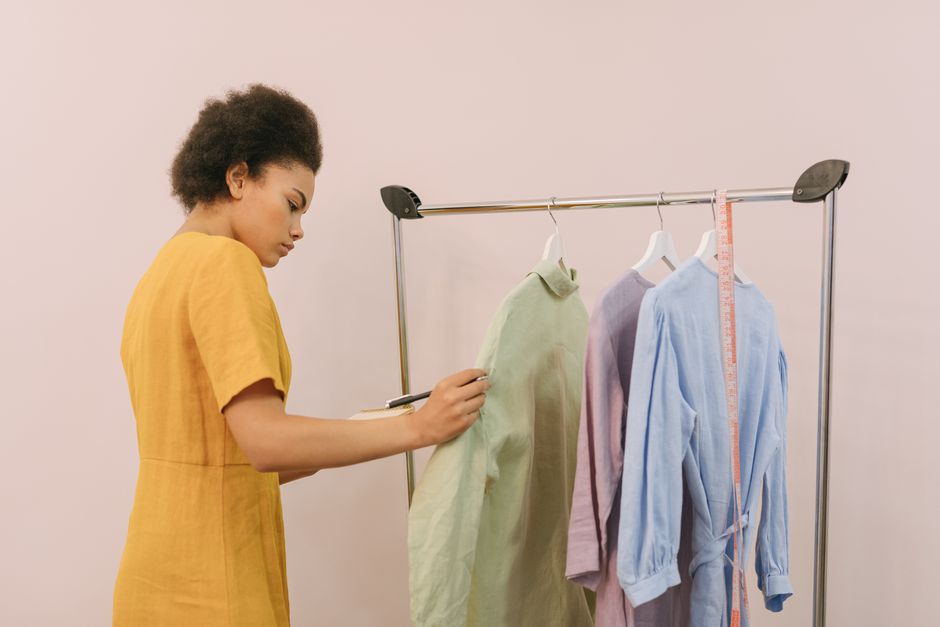
My strongest recommendation is to choose a three-color base before buying anything. I used black, cream, and denim blue, then added olive as the small accent. That palette let every top work with at least two bottoms, which created more useful combinations than a larger wardrobe built from unrelated colors. The method also made shopping easier because I could reject an item quickly if it introduced a color that needed several new pieces.
Pick one dark base
Black or navy should anchor the wardrobe through at least two categories. My black trousers worked with the striped shirt, cream T-shirts, knitwear, and blazer. A dark base also made the dressier outfits look intentional without relying on accessories.
Add one light neutral and one accent
Cream softened the outfits, while olive added enough color to stop the rotation feeling flat. Keep the accent to one or two items. More colors can look exciting in a shop but become difficult in a 15-item system because each new shade asks for another matching layer or shoe.
Color planning does not mean every item must look identical. It means the wardrobe has shared visual links. That connection is what turns separate purchases into a working outfit system.
Which wardrobe pieces earned their place?
Three items proved unusually valuable because they worked across multiple settings. They were not the most fashionable pieces I owned. They were the pieces that survived repeat wear, temperature changes, and different levels of formality.
The dependable basics
The Uniqlo Supima Cotton T-shirt, priced at about $25, earned its place because the fabric felt smooth under layers and the simple neckline worked with jeans, trousers, and the blazer. The COS Merino Wool Crew-Neck Sweater, about $125, handled cooler mornings without the bulk of a sweatshirt. For a small wardrobe, the COS knit was the best layering purchase because it looked neat enough for work and casual enough for weekends.
My Levi’s 501 Original jeans, around $80, were the hardest-working bottom. The straight shape balanced both slim and relaxed tops. They were not ideal for very formal plans, but they covered most daily situations.
The pieces I would skip
Everlane The Dream Pant, usually around $98, looked polished but did not earn space in my final rotation because the fabric needed more careful washing than the other trousers. A pair of Blundstone 585 Classic Chelsea boots, around $220, would be useful in a wet climate, but I left them out because my month included mostly dry city walking. That is the key tradeoff: a good product can still be wrong for the test.
Buy the item that fills a repeated gap. Do not add a premium piece simply because its quality is easy to praise.
How do you wash and rotate a small wardrobe?
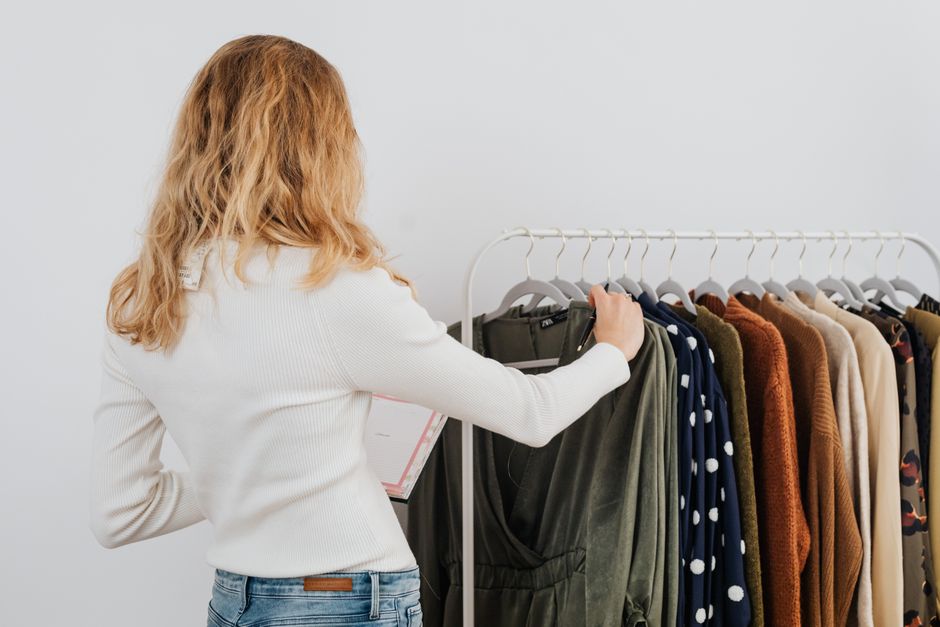
A small wardrobe fails when clean clothing becomes the bottleneck. My solution was a fixed rotation: wear tops twice when fresh, air knitwear after use, wash denim only when it needed it, and schedule laundry before the basket became empty. This kept the experiment practical and reduced panic outfits.
How often should each item be washed?
Wash T-shirts and shirts after one to two wears, depending on heat and activity. Air sweaters for 24 hours before deciding if they need washing. Wash trousers after several wears unless they pick up dirt or odor. Check the care label first, then use cold water and a lower dryer setting for items that may shrink. The goal is not to avoid washing. It is to wash with a reason.
What rotation prevents outfit fatigue?
I divided the wardrobe into three loose groups and avoided wearing the same full combination twice in one week. One group stayed ready for work, one for relaxed days, and one for weather changes. I also kept a note of outfits that felt uncomfortable, too warm, or hard to maintain. Those notes mattered more than compliments because they showed which items would fail over a longer season.
Do not copy a 15-item system if you lack laundry access, need uniforms for different jobs, or dress for frequent formal events. A 20- or 25-item wardrobe may serve those lives better.
What did the 15-item experiment change about shopping?
The experiment changed my shopping rule: I now buy for a proven outfit gap, not for a feeling. I would choose the Uniqlo T-shirt for an inexpensive repeatable basic, Levi’s 501 jeans for a reliable casual base, and the COS merino sweater for a polished layer. My clear verdict is to start with 15 items only if your week has one main dress code; for mixed work, travel, and formal plans, build a 20-item capsule instead and keep the same color and laundry rules.