When temperatures drop, getting dressed can feel like a choice between looking good and staying warm. The most useful winter outfits do both: they start with comfortable layers, leave room to move and finish with outerwear that pulls everything together. You do not need a completely new wardrobe to make that happen.
Begin with the pieces you already reach for, then look at where they need support. A fine base layer can make tailored trousers wearable on a chilly morning, while practical boots can give a dress a fresh everyday feel. Build warmth into your outfit so you can enjoy your clothes instead of wishing you had brought another jumper.
Get your base layers right
Thermal underwear adds warmth without becoming the main feature of an outfit. Look for a close, comfortable fit and flat seams, especially beneath fitted trousers or a fine-knit dress. Check the neckline and sleeve length against your clothes: a scoop-neck thermal stays discreet beneath an open shirt, while a crew neck can look intentional under a cardigan.
Try base layers on with the outfit they will support. Waistbands should sit comfortably together, and leggings should not bunch behind your knees or above your boots. If a thermal top rides up when you reach overhead, try a longer cut. Smooth each layer before adding the next rather than hiding folds beneath thicker clothing.
Merino wool and synthetic thermal fabrics are options to consider, depending on how they feel against your skin and how you prefer to wash them. Choose a weight suited to your day. A heavy thermal may be welcome outdoors but uncomfortable in a heated office. Check care labels before buying, particularly if easy machine washing matters to you.
Build warmth without losing your shape
Think in three parts: a comfortable base, an insulating middle layer and an outer layer suited to the weather. For an ordinary cold day, that might mean a thermal top, a wool jumper and a coat. If you move between trains, shops and heated rooms, make the middle layer easy to remove. A cardigan or zip-neck knit gives you flexibility.
Balance the volume rather than making every piece oversized. Pair a roomy jumper with straight-leg trousers, or wear wide-leg trousers with a neat knit tucked lightly at the front. A long cardigan can work over a slim base and tailored trousers, provided your coat has enough room. You should be able to bend your elbows and cross your arms without the shoulders pulling.
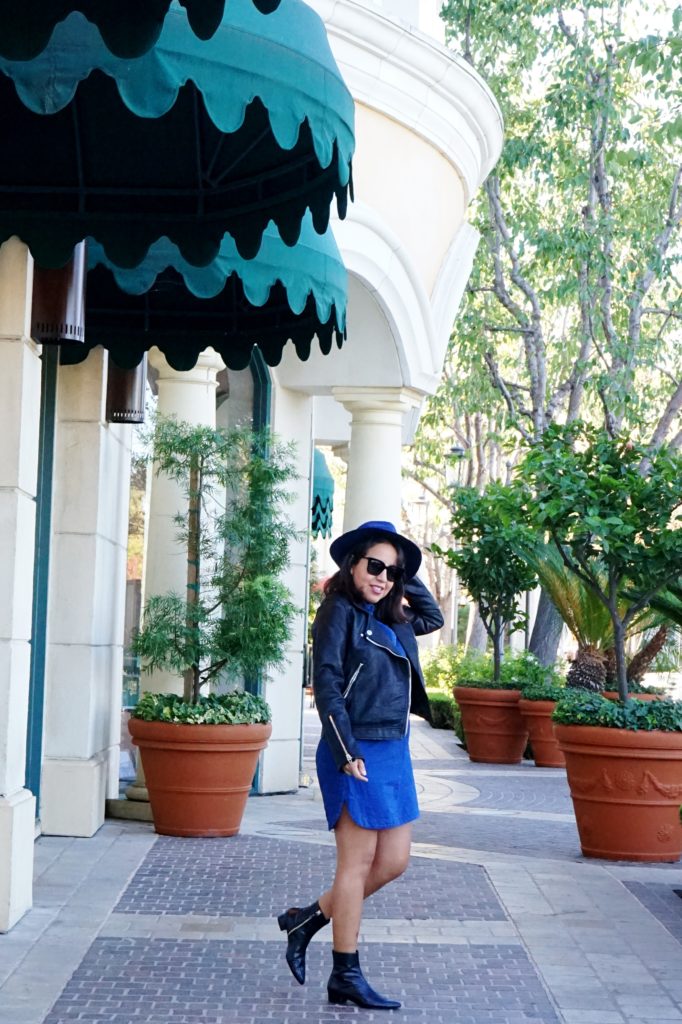
For dresses and skirts, add opaque tights or thermal leggings, then choose boots that meet the hem or leave a deliberate gap. A fine roll-neck beneath a sleeveless dress can extend its wear into winter. Test the combination while sitting down as well as standing up; comfort at the waist and knees matters throughout the day.
Choose fabrics for the day ahead
Wool, cashmere, corduroy, tweed and flannel can bring warmth and texture to a winter wardrobe, but the fabric name alone does not tell the whole story. Feel the thickness, check the lining and examine how tightly the material is woven. An airy knit may need another layer underneath, while dense wool-blend trousers can feel substantial without looking bulky.
Mix textures to make simple colour combinations interesting. Try a smooth fine-knit top with corduroy trousers, or a brushed wool coat over dark denim. If you enjoy softer knits but find them itchy, wear a thin layer underneath and check that the collar does not rub your neck. Follow care instructions to help pieces keep their shape.
Wet and windy conditions need a different approach from dry cold. A wool coat is not a substitute for waterproof outerwear in persistent rain. Look for a weather-ready coat with a secure fastening, useful hood and room for knitwear. If a garment is described as water-resistant, check its intended use rather than assuming it will handle a long, wet walk.
Make your coat the finishing piece
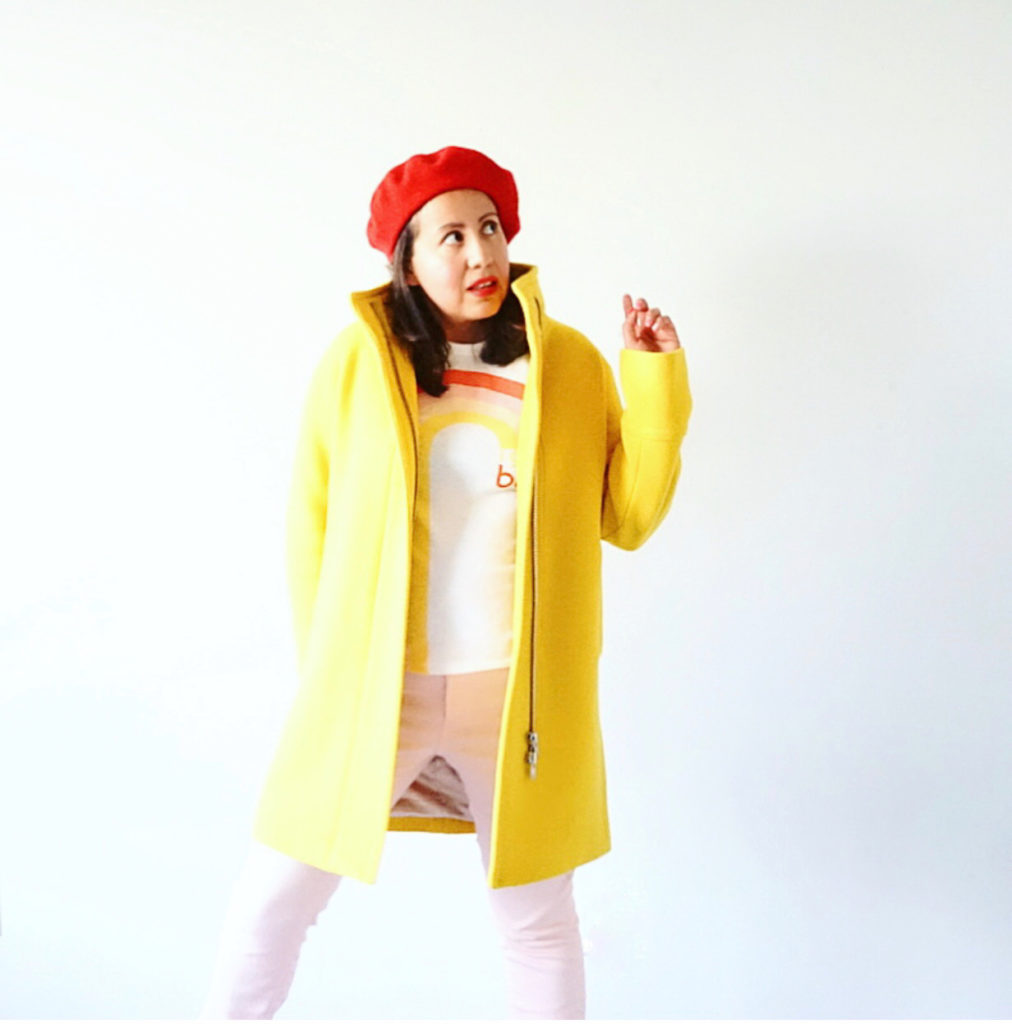
Your coat is often the most visible part of your winter outfit, so choose one that works with your usual clothes. A statement can come from a rich colour, an interesting collar or a strong silhouette. Camel, navy, charcoal and deep brown are easy starting points, while burgundy or forest green can bring colour to a mostly neutral wardrobe.
Before buying anything, try your existing coats with a proper winter outfit underneath. Check whether the sleeves accommodate a jumper and whether the fastening closes comfortably. Walk, sit and reach forward. A belt should define the shape without compressing all your layers, and a longer hem should let you take a normal stride.
Match the coat to your routine. A tailored style can finish office clothes beautifully, while an insulated coat with a hood may be more useful for outdoor errands. If your current coat already does the job, refresh it with a contrasting scarf or replace missing buttons. Small maintenance tasks can make a familiar piece feel considered again.
Choose boots that work with your clothes
Start with conditions underfoot. Look for soles with suitable traction, comfortable room around the toes and protection appropriate to rain or snow. A chunky sole can balance wide trousers, while a simple ankle boot works well with straight jeans. Keep trouser hems clear of wet ground so they do not collect water on your walk.
Try boots with the socks you intend to wear. Thick socks should not make the fit tight, and your heel should feel secure when you walk. For an indoor occasion, carry dressier shoes and change when you arrive. This makes it easier to choose practical footwear for the journey without reshaping your whole outfit around it.
Save delicate suede for suitable dry conditions unless its care guidance says otherwise. Use protective products only as directed for the material, and test them discreetly first. After wet wear, let footwear dry naturally away from direct heat. Brush away surface dirt and deal with marks according to the manufacturer’s instructions.
Use accessories to connect the outfit
A scarf, hat and gloves offer useful warmth and an easy way to repeat a colour. They do not need to match exactly. A grey coat, cream scarf and burgundy gloves can look cohesive when burgundy appears elsewhere, perhaps in your bag. If your coat has a busy pattern, simpler accessories give the outfit room to breathe.
Choose scarf volume with your collar in mind: a thick scarf suits an open neckline, while a slimmer one fits more comfortably inside a zipped coat. Check that your hat covers your ears if you need it to. Sunglasses can be useful on bright winter days, and a secure shoulder or crossbody bag keeps your hands free.
Keep a few reliable outfits ready
Build repeatable combinations for your week: straight jeans, a thermal top, a textured jumper and weather-ready boots for errands; flannel trousers, a fine knit and a tailored coat for work; or a knitted dress, warm tights and tall boots for dinner. Adjust the layers to the forecast and how long you will be outside. When warmth, fit and footwear are sorted, adding your own style becomes the easy part.