A fashion collection starts with taste, but it becomes worth buying when that taste solves a wardrobe problem. Perhaps your customer wants jeans that work with flat shoes, easy layers for a creative office, or evening separates she can wear again. A clear purpose makes choosing pieces easier and gives shoppers a reason to return.
If you hope to earn money from curating clothes, begin with a small, wearable edit rather than a rail of everything you love. Profit is never guaranteed, and a beautiful collection can still be expensive to hold. The aim is to buy with a point of view, test how the clothes perform, and understand what each sale actually leaves behind.
Discover your niche through real outfits
“Women’s fashion” is too broad to guide a buying decision. “Relaxed denim and polished layers for everyday city dressing” gives you something useful to work with. It suggests silhouettes, fabrics, styling and occasions without requiring every item to look identical.
Describe your intended customer’s week. Does she commute, work from home, need modest coverage, or change shoes before an evening out? Consider what she already owns and what frustrates her. A collection built around a real routine is easier to wear than one built around a mood alone.
Write a short buying brief before looking at suppliers. Include the wardrobe need, preferred shapes, core colours and care expectations. For a denim-led edit, that might mean straight legs, comfortable waistbands, washable tops and jackets that finish above the fullest part of the hip. Use the brief to reject attractive pieces that do not belong.
Build a collection that gets dressed together
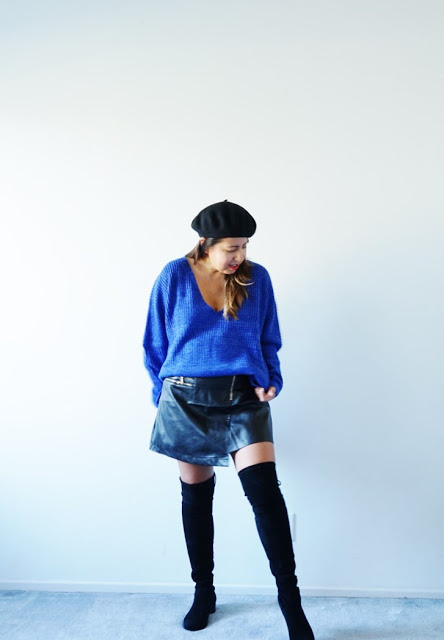
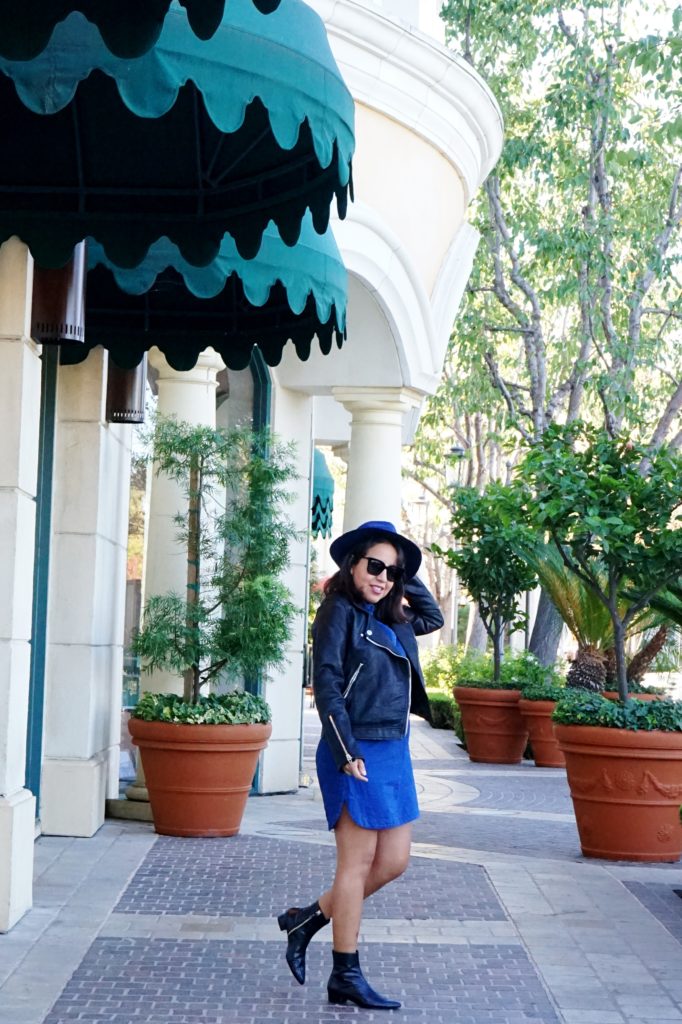
Start with complete outfits, then work backwards to individual products. A straight-leg jean, cotton shirt and soft blazer could form the centre of your collection. Add a fine knit that fits under the blazer and a skirt that works with both tops. Each addition should create another useful combination.
Choose a compact palette with enough contrast to make styling simple. Indigo, cream and charcoal can support a muted red accent, for example. Compare physical samples together: two creams may clash, and a warm beige jacket can change how a cool grey trouser looks.
- Everyday: straight jeans, a tucked cotton shirt and loafers, with sleeves rolled neatly.
- Work: the same shirt under a blazer, paired with tailored trousers and a slim belt.
- Evening: dark denim, a fluid blouse and a small bag, with jewellery providing the change in mood.
These combinations also reveal gaps. If every top requires a special bra or every trouser needs heels, the collection may be less convenient than it first appears. Include reliable supporting pieces alongside the items that attract attention.
Let fabric and fit earn their place
Order samples before committing to stock wherever possible. Feel the fabric, examine the inside seams and check whether the garment hangs evenly. Look for twisting side seams, uneven hems, loose stitching and fastenings that strain. A striking photograph cannot tell you whether a waistband digs in when someone sits down.
Match fabric to the intended use. Rigid denim offers structure but needs room to move; stretch denim should recover after bending. Cotton poplin gives shirts a crisp outline, while a fluid woven fabric creates a softer tuck. Check pale tops in daylight over contrasting underwear so you can describe their coverage accurately.
For knitwear, inspect cuffs, necklines and how the fabric behaves under a jacket. A bulky sleeve may make layering awkward. With trousers, test sitting, walking and reaching into pockets. Check whether a skirt rides up or a blouse gapes across the chest during normal movement.
Follow the care label when testing a sample and record changes in shape, colour or surface texture. Ask suppliers for garment measurements and grading information across the size range. One well-fitting sample does not establish that every size will fit equally well.
Develop a signature without copying
Your point of view can come from proportion, colour or the way you combine familiar pieces. Perhaps you favour long shirts beneath cropped jackets, tonal layers with textured accessories, or clean denim paired with romantic blouses. Repeat that idea thoughtfully so the collection feels recognisable.
Use reference images to identify qualities you like, such as a roomy sleeve or a balanced colour combination. Then build your own outfit around your customer’s needs. Avoid reproducing another label’s distinctive artwork, logos or campaign styling. Originality does not require every garment to be unusual; a consistent, useful edit can express a strong identity.
Know what each piece costs to sell
The supplier’s invoice is only part of the cost. Before ordering, account for delivery to you, applicable import charges, packaging, payment fees and any alterations or preparation. Allow for the practical effects of returns, damaged stock and reductions. Keep the calculation attached to each product so buying decisions stay grounded.
Separate the amount left after direct selling costs from the money needed to run the business. Photography, storage, software and your time still need funding. A piece that sells quickly may contribute little if it is costly to ship or frequently returned.
Start with manageable quantities and ask about minimum orders, replenishment times and return terms before committing. Be cautious about buying deeply simply to secure a lower unit cost. Unsold sizes tie up money, even when the original order looked like a bargain.
Make the styling useful to shoppers
Show each garment clearly, then show it working in an outfit. Include a front, back and detail view, with close-ups of texture and fastenings. Use consistent lighting and avoid editing that changes the colour. Where possible, show the clothes on different bodies and explain the fit without vague promises.
Useful descriptions answer practical questions: is the shirt roomy through the shoulders, does the trouser sit at the natural waist, and is the skirt lined? Include garment measurements, fabric composition and care instructions. Explain whether a top is tucked, knotted or clipped in a photograph so customers understand the actual shape.
Offer small styling adjustments: leave a shirt open over a vest, turn a cuff once to expose the wrist, or balance wide trousers with a closer-fitting top. These details help shoppers imagine wearing the collection with clothes they already own.
Collaborate carefully and edit as you learn
Choose collaborators whose work complements the clothes. A local accessories maker might supply bags for an outfit shoot, while a stylist could demonstrate several ways to wear one jacket. Agree on responsibilities, image use, credits, payment and delivery dates before work begins. Shared taste helps, but clear expectations make the collaboration workable.
After launch, track what sells alongside what customers ask and return. Repeated questions about length may signal missing measurements; repeated fit complaints may mean the cut needs replacing. Compare interest with completed purchases before expanding a style.
Keep the pieces that wear well, combine easily and justify their place financially. Remove duplicates and resist adding a new direction just because it looks exciting. A collection becomes stronger through careful editing: clothes with a clear purpose, presented honestly, and bought in quantities the business can support.