Cashmere Feels Warmer, but Merino Wins Fall Wear
Cashmere is not automatically the warmer fall sweater. It feels warmer and softer against bare skin, but merino wool handles changing fall weather better. For most people buying one sweater for regular use, merino is the smarter choice. Cashmere wins when softness, light weight, and polished indoor layering matter more than rough daily wear.
Cashmere gives more warmth for less weight
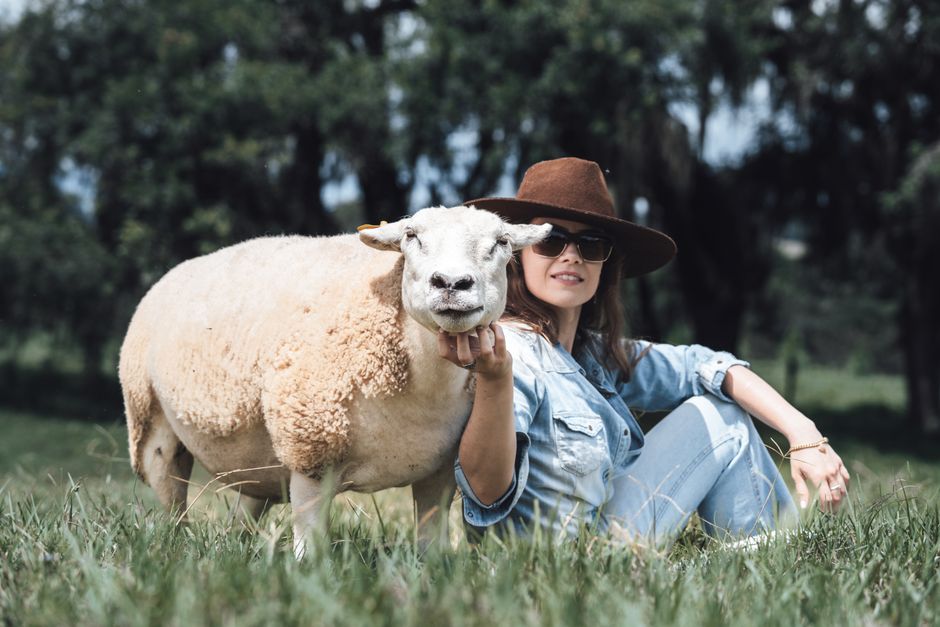
Cashmere fibers are finer than most wool fibers and trap still air close to the body. That creates a warm, light sweater with a soft hand. A dense cashmere crew can feel noticeably warmer than a thin merino knit of the same weight. The problem is that softness comes with a fragile surface. Backpack straps, coat zippers, desk edges, and repeated rubbing can create pills or thin spots quickly.
Merino handles real fall conditions better
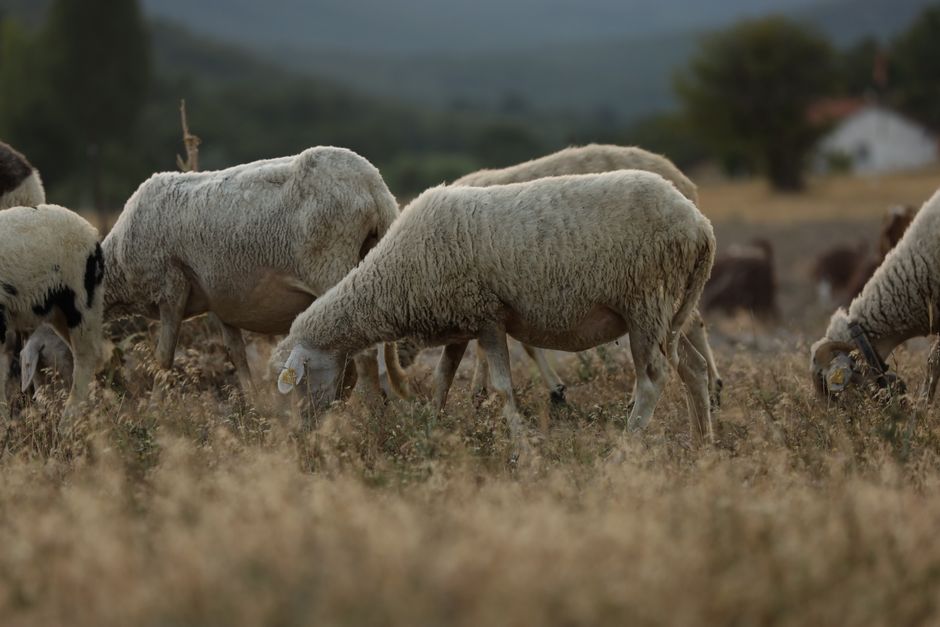
Merino wool has natural crimp, which helps it hold air while also giving the fabric spring. It manages sweat better than cashmere and usually resists odor during repeated wear. The best daily fall choice is merino because it survives commuting, temperature swings, and light activity with less drama. Cashmere remains the better pick for a soft dinner outfit or a warm layer under a tailored coat.
Why Fiber Size Changes Warmth, Softness, and Strength
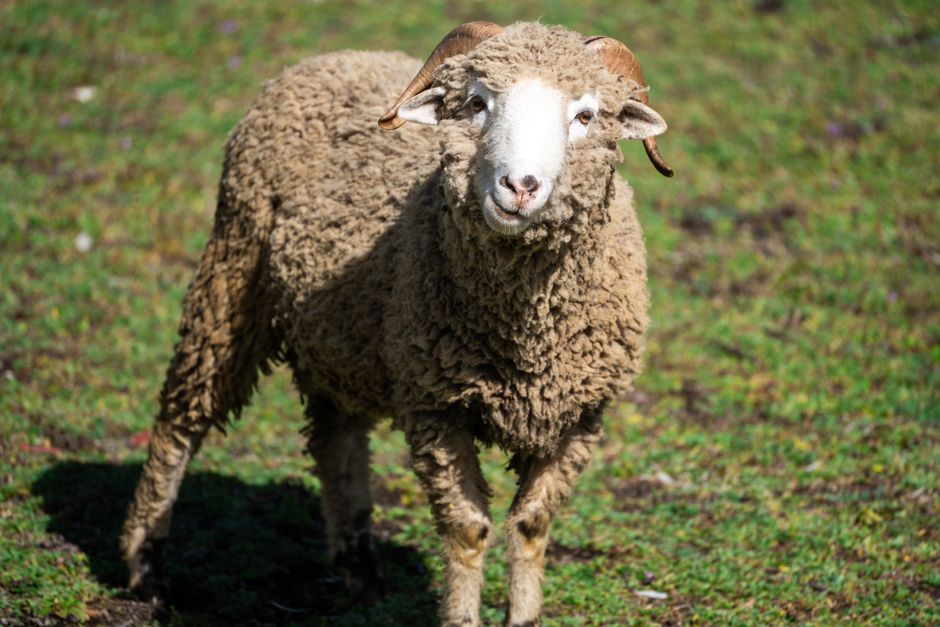
The cashmere-versus-merino debate starts with fiber structure, not brand prestige. Both materials come from animals and both can make excellent knitwear, but they solve different clothing problems. Cashmere focuses on low weight and a luxurious feel. Merino focuses on temperature control, resilience, and moisture management. That difference explains why one sweater can feel softer while the other performs better after a long day.
Finer fibers feel softer against the skin
Cashmere fibers commonly measure around 14 to 19 microns in diameter. Fine merino often measures around 17.5 to 20.5 microns, while coarser wool can measure much more. Smaller fibers bend instead of poking the skin, so cashmere usually feels smoother. That softness does not prove superior warmth. It mainly proves that the fabric creates less irritation at the surface. A well-made 18.5-micron merino sweater can feel comfortable, especially after washing and when worn over a thin shirt.
Loft creates insulation, but knit density controls it
Warmth comes from trapped air, fiber crimp, yarn size, and knit density. A loose, lofty cashmere knit may feel warm indoors but let cold wind pass through outdoors. A dense merino knit may feel less plush yet block drafts more effectively. Two sweaters labeled 100% cashmere can perform very differently if one uses a lightweight 12-gauge knit and the other uses a thick 7-gauge knit. The label alone cannot tell you the full story.
Moisture changes the winner
Merino absorbs moisture vapor and releases it across a wider surface, helping reduce the clammy feeling that appears during a warm commute. It also resists odor better than many synthetic fibers. Cashmere can manage some moisture, but it is less useful for active wear and more vulnerable to damage when washed or stored incorrectly. For temperature swings, merino has the clear technical advantage.
Four Sweaters That Show the Real Trade-Off
These recognizable examples make the material differences easier to see. The verdict is simple: choose a cashmere model for softness and a merino model for repeat wear.
| Sweater | Material detail | Best fall use | Verdict |
|---|---|---|---|
| Everlane The Cashmere Crew | 100% Grade-A cashmere | Light, polished layering | Best soft cashmere option |
| Naadam Essential Cashmere Sweater | 100% cashmere | Warm indoor outfits | Best for comfort first |
| Uniqlo Extra Fine Merino Crew Neck Sweater | 100% merino wool | Office and everyday layering | Best practical value |
| Icebreaker Merino 200 Oasis Crew | 200 gsm merino wool | Active, damp, changing weather | Best for performance |
The Everlane and Naadam sweaters are easier to dress up, but they need more careful handling. The Uniqlo sweater is the sensible office workhorse. Icebreaker’s 200 gsm knit is designed more like a base layer than a traditional fashion sweater, yet it shows why merino works so well when movement and sweat enter the picture. For one fall sweater, pick the Uniqlo Extra Fine Merino Crew Neck. Pick Everlane or Naadam when the point of the purchase is softness.
How to Choose the Right Fall Sweater in Five Steps
Do not choose by fiber name alone. Use this quick check before paying for a sweater.
- Check the fiber content. Look for 100% cashmere or 100% merino when you want the material’s full benefits. Blends can work, but nylon, acrylic, and polyester change the feel, warmth, and care needs.
- Inspect the knit density. Hold the sweater toward a light. If you can see large gaps between stitches, expect more airflow and less wind protection. Dense stitches usually last longer.
- Match weight to your routine. Choose a light merino knit for an office, a medium-weight knit for daily fall use, and thick cashmere for low-activity warmth. Heavy fabric is not automatically better if you overheat indoors.
- Rub the surface gently. A small amount of fuzz is normal. Loose fibers, uneven patches, or instant pilling under light friction signal weak finishing or poor yarn quality.
- Read the care label before buying. If hand washing and flat drying will never happen, skip delicate cashmere. A sweater that stays in the laundry basket is a bad purchase regardless of its fiber quality.
The winning rule is blunt: buy cashmere for a special comfort upgrade, and buy merino for a sweater you expect to wear twice a week. That choice prevents most buyer regret.
Cashmere and Merino Care Questions, Answered
Care mistakes ruin more sweaters than bad fiber selection. These answers cover the problems that show up after purchase.
Which sweater pills faster?
Cashmere usually pills faster, especially at the underarm, side seam, and point where a shoulder bag rests. Pilling does not always mean the sweater is fake or defective; short loose fibers work their way to the surface through friction. Remove pills with a sweater comb, not a disposable razor that can cut the yarn. Merino can pill too, but a dense, well-finished knit normally tolerates more use.
Can you wash both sweaters in a washing machine?
Follow the label, but treat cashmere as the riskier garment. Use cool water, a wool-safe detergent, and the gentlest cycle only when the manufacturer allows machine washing. Never twist either fiber. Press water out with a towel, reshape the sweater, and dry it flat. A hanger stretches wet shoulders and can leave permanent points at the seams.
Which sweater should you buy if you run hot?
Buy merino. Its moisture handling and odor resistance make it easier to wear through heated offices and chilly commutes. Cashmere is the wrong choice for someone who sweats heavily or wants one sweater for active weekends. It works best when worn over a dry base layer and removed before overheating.
When Cashmere Is Worth It—and When Merino Is the Better Buy
Buy cashmere for softness, low-weight warmth, and a refined fall outfit. The material earns its price when you will wear it gently, store it folded, and keep it away from abrasive bags and rough outerwear. A cashmere crewneck also makes sense for people who dislike wool’s texture and want a thin layer under a blazer or wool coat.
Choose merino for commuting and repeated wear
Merino is the better buy for public transit, travel, casual walking, and long office days. It handles sweat, recovers its shape, and usually needs fewer washes because it resists odor. Choose a medium or dense knit if wind protection matters. Choose a finer knit if you plan to layer it under a jacket. The Uniqlo Extra Fine Merino Crew Neck suits office basics, while the Icebreaker Merino 200 Oasis Crew makes more sense for active outdoor use.
Skip cashmere when friction or bad care is unavoidable
Do not buy cashmere for a job that requires a backpack every day, frequent washing, or rough travel. Choose merino instead and spend the difference on a better fit. The future of knitwear is moving toward clearer fiber labels, better recycled blends, and more precise weight information. That will make the cashmere-versus-merino choice less about luxury language and more about matching a sweater to the life it must survive.