The Biggest Misconception About Fall Shoe Shopping
Most people assume fall footwear means buying new boots. That assumption typically leads to an expensive, predictable closet — three ankle boots and nothing that actually solves a real styling problem.
The truth: the footwear that carries most people through September to November isn’t always a boot at all.
Style editors generally find that fall wardrobe failures trace back to buying more rather than buying right. A single versatile shoe — worn across multiple contexts — tends to outperform three trendy pieces that each work with only one outfit. The more useful framework for fall footwear starts with function: does this shoe handle wet leaves and uneven pavement? Can it move from a morning errand to an evening dinner without looking out of place? Does it pair with both the denim worn four days a week and the dress reserved for occasions?
Fall footwear covers a genuinely wide range. Chelsea boots, lug sole platforms, ankle boots, knee-highs, chunky sneakers, and loafers all have legitimate season-appropriate use cases — and which one is right depends on climate, wardrobe, and daily activity level.
Why “Fall Boot Season” Is Partly a Marketing Construction
Boot campaigns launch in August. That doesn’t mean a wardrobe needs boots in August — or even that boots are the optimal fall shoe for every lifestyle. In many U.S. climates, early fall (typically late September through mid-October) runs warm enough that a full boot becomes uncomfortable by early afternoon. A loafer or a clean sneaker handles that temperature range better without looking seasonally mismatched.
The 55–70°F transitional window is where most fall footwear purchases fail. Buyers buy for November and then have nothing appropriate for the first six weeks of the season.
Before You Shop: Audit What You Already Own
Most style advisors suggest reviewing existing footwear before spending on anything new. A Chelsea boot bought last fall is still a Chelsea boot. Fall shoe decisions should typically begin with identified wardrobe gaps — specific styling problems that genuinely can’t be solved by what’s already in rotation. Not with whatever campaign is currently running. This one habit eliminates most impulse purchases that lead to buyer’s remorse by December.
Fall Boot Styles Compared Side by Side
Most fall footwear decisions come down to five main silhouettes. Here’s how they typically compare across the factors that actually matter at purchase time:
| Style | Price Range | Best Weather | Best Paired With | Style Longevity |
|---|---|---|---|---|
| Chelsea Boot | $80–$250 | Dry to light rain | Jeans, trousers, midi skirts | Perennial — not trend-dependent |
| Lug Sole Ankle Boot | $100–$200 | Wet pavement, fallen leaves | Straight-leg denim, midi dresses | Trend-driven — may soften in 2–3 seasons |
| Knee-High Boot | $150–$400+ | Cold, dry conditions | Mini skirts, slim-fit jeans | Cyclical — peaks roughly every 3–4 years |
| Platform Loafer | $75–$180 | Dry, mild | Wide-leg and pleated trousers | Currently strong — 2–3 more seasons likely |
| Chunky Sneaker | $90–$200 | Any dry weather | Casual to smart-casual | Stable — core silhouette is consistent |
Style longevity deserves careful thought before committing at higher price points. A knee-high boot at $350 that’s trend-driven is a fundamentally different investment than a Chelsea boot at that same price. Most style advisors generally suggest directing higher budgets toward perennial styles and keeping trend-driven purchases in the sub-$100 range where the lifespan risk is lower and the regret is manageable.
The Case for Chelsea Boots as Fall’s Most Reliable Investment
For most people, most wardrobes, and most fall climates, the Chelsea boot outperforms every competing silhouette across versatility, weather resilience, and styling range. This isn’t a close call.
What Makes the Format Work
A Chelsea boot — defined by its elastic side panels and pull-tab construction — has no laces to untie in a rainstorm, no buckles to snag on denim, and a slip-on design that transitions from a 7 AM commute to a 9 PM dinner without adjustment. The silhouette sits low enough to work under wide-leg pants without fabric bunching, and high enough to create clear ankle definition with a midi dress.
The Blundstone 500 ($220) is the clearest example of this format’s durability advantage. Its leather upper holds up to sustained autumn rain — not just a light mist — and the thermoplastic polyurethane sole provides reliable grip on wet pavement and fallen leaves. The 500 has been in continuous production for decades because the format works in real conditions. It’s resoleable, breaks in within two to three weeks of regular wear, and doesn’t look worn out after a season of use. For a boot intended to last five or more falls, this is the most defensible investment in the Chelsea category.
At a lower price point, the Steve Madden VANYA Chelsea ($90) offers a slimmer, more fashion-forward silhouette. The sole is thinner and offers less weather protection — but for urban environments with maintained sidewalks and short outdoor stretches, it covers the same styling range for less than half the Blundstone’s cost. Construction is cemented rather than welted, so the realistic lifespan sits closer to 2–3 seasons than 5+.
How to Identify a Chelsea Boot Worth the Price
Not all Chelsea boots perform equally. The features that consistently separate a strong buy from a frustrating one:
- Elastic panel quality: Narrow panels (under 2 inches wide) lose tension faster with repeated wear. Look for wide, reinforced elastic — typically visible in close-up product photography.
- Sole construction: Cemented (glued) soles are standard under $150. Goodyear-welted construction — stitched, more durable, and resoleable — appears in Blundstone and Thursday Boot Company’s range.
- Heel height: 1 to 1.5 inches is standard and walkable across most day-use contexts. Above 2 inches shifts into dress-boot territory with different outfit pairing requirements.
- Shaft height: Ankle-grazing versus mid-calf changes which pants work cleanly over the boot. Testing with your actual fall wardrobe before ordering online prevents most sizing regrets.
The Vagabond Shoemakers Cosmo 2.0 ($160) consistently earns strong marks in the mid-range bracket. The leather is softer and more supple than the price typically suggests, and the 1.75-inch block heel sits at the threshold where most people find it walkable across a full day. For the $100–$200 budget, it’s currently one of the stronger value propositions available.
The One Sizing Mistake Most Buyers Make
Buying Chelsea boots too snug across the instep. The elastic panels don’t accommodate width the way a laced boot can be loosened. Most standard sizing charts don’t account for this. Buyers with wider feet generally find that going half a size up resolves the fit — but verifying the return policy before purchasing online is worth the extra step, especially for first-time purchases of a new brand.
Lug Sole Boots: Worth Buying or Skip?
Worth buying for the grip and visual weight — both legitimately useful in fall conditions. The Jeffrey Campbell Brocade boot ($170) handles the silhouette better than most options at that price. The trend has peaked and prices are normalizing, which actually makes this a reasonable purchase window for buyers who like the look. Skip it entirely if your wardrobe already skews maximalist, or if you’re expecting the style to still feel current past 2027.
Five Styling Principles for Fall Footwear
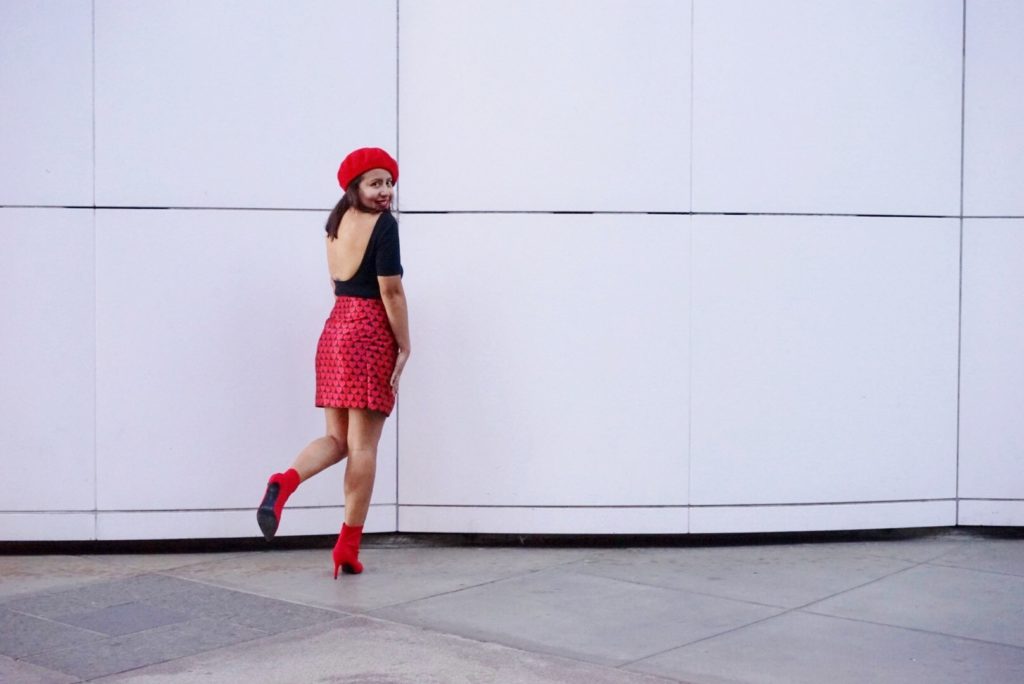
- Match boot shaft height to pant break. Ankle boots work best hitting at or just above the ankle bone. When pants break lower and cover the boot entirely, the visual effect flattens and compresses the leg line. The fix: cuff the pant, or choose a mid-calf height instead.
- Use sock weight as a seasonal dial. The same Chelsea boot reads differently in September with a no-show sock and cropped trousers than it does in November with a thick wool sock and slightly slouched denim. No new footwear required — sock weight alone adjusts the seasonal read significantly.
- Proportion-test knee-high boots before committing. Worn with anything except a mini skirt or a very slim silhouette, knee-high boots tend to visually shorten the leg. This isn’t an absolute rule — it’s a proportion tendency most stylists note when working across a range of body types. Try before committing at a higher price point.
- Don’t dismiss sneakers as fall footwear. A chunky sneaker in a neutral autumn colorway — cream, tan, or slate grey — pairs naturally with fall palettes and handles the 55–65°F range better than most boots. The assumption that sneakers don’t belong in fall styling typically comes from boot marketing, not from actual styling logic.
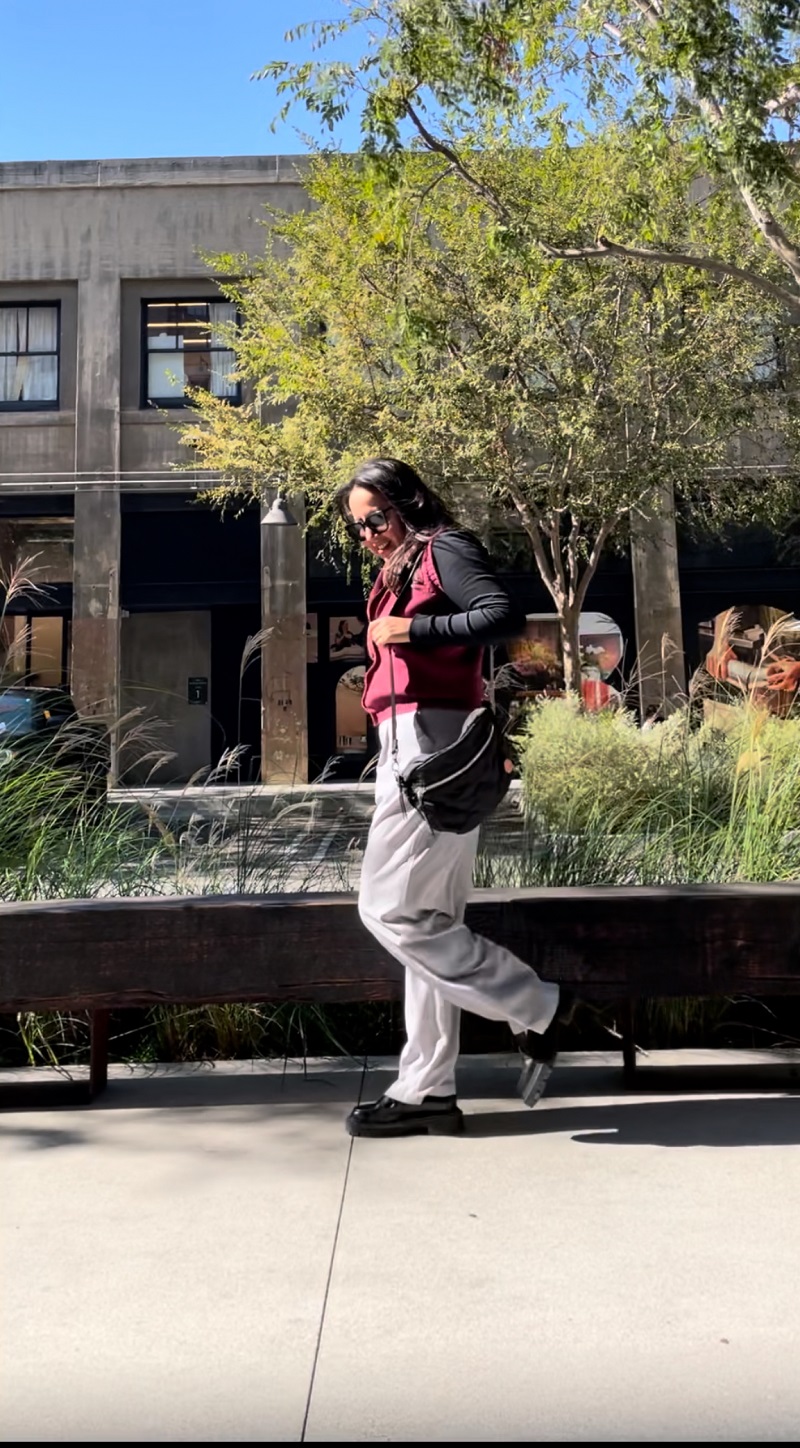
- Choose platform loafers over flat loafers for wide-leg trousers. A flat loafer visually disappears under wide-leg or pleated trousers. A platform loafer with 1 to 1.5 inches of height adds definition without the styling constraints of a heeled boot. The silhouette currently reads more elevated than its comfort level requires.
One pattern wardrobe consultants observe consistently: fall footwear failures almost always trace back to buying something that only works with one specific outfit. A boot that requires a particular silhouette worn twice a season isn’t a wardrobe investment. It’s clutter that generates a small sense of guilt every time the shoe cabinet opens.
Buyer Questions About Fall Footwear, Answered Directly
Do ankle boots actually work with wide-leg pants?
Yes — with specific execution. The boot needs to be visible, which means the pant hem should fall just above the ankle bone rather than covering the boot entirely. A cropped wide-leg pant is the most reliable pairing. When the pant covers the boot fully, the visual breaks awkwardly and flattens the silhouette. Both the Vagabond Cosmo 2.0 and Blundstone 500 handle this pairing well because their block-style heel creates enough visual separation from the pant hem to read clearly — thin heels tend to disappear in this context.
Should I size up for fall boots to fit thick socks?
In most cases, yes — particularly for Chelsea and fitted ankle boots. A half-size up typically accommodates a medium-weight wool sock without losing heel security. A full size up tends to cause heel slippage that both shortens the boot’s lifespan and creates discomfort over longer distances. The safest approach: try the boot wearing the actual socks intended for fall use before purchasing. Most quality boot brands — Blundstone, Thursday Boot Company, and Dr. Martens — hold their shape well enough that a half-size up doesn’t alter the external silhouette significantly.
When is a sneaker the better choice over a boot for fall?
High-activity days. Multiple transit connections, full-day outdoor events, travel itineraries, long market walks. A well-constructed sneaker with proper cushioning typically outperforms a fashion boot on these occasions regardless of aesthetic preference. The HOKA Kaha 2 Low GTX ($200) offers Gore-Tex waterproofing and structural support that most fashion boots don’t approach. The style trade-off is real — but foot comfort across several miles is a more significant factor than most buyers acknowledge when making the purchase decision in a store.
Fall Footwear by Budget: What You Can Realistically Expect
Price range correlates more meaningfully with construction quality in footwear than in most other fashion categories. Here’s what’s typically realistic at each tier:
- Under $100: Synthetic materials are common. Construction is typically cemented (glued). Steve Madden VANYA ($90) and platform loafers from the same brand overperform this bracket — but 2–3 seasons is the realistic lifespan with regular wear.
- $100–$200: Real leather becomes standard. Sam Edelman Circus ankle boots (around $100) and the Vagabond Cosmo 2.0 ($160) both represent solid value in this range. Expect 3–4 seasons with occasional conditioning.
- $200–$300: Construction quality rises meaningfully. The Blundstone 500 ($220) and Thursday Boot Company’s Duchess ($200) offer resoleable or highly durable construction. Realistic lifespan: 5+ years with basic maintenance.
- Above $300: You’re paying for heritage craftsmanship, luxury materials, or brand positioning. Justified for footwear worn across many seasons. Rarely justified for a trend-driven silhouette, regardless of the quality argument made at point of sale.
A reasonable fall strategy for most budgets: one mid-range Chelsea or ankle boot ($150–$220) as the season’s workhorse, plus one trend-adjacent piece under $100 that doesn’t need longevity to justify the cost.
Quick comparison summary:
- Best perennial investment: Blundstone 500 ($220) — weatherproof, resoleable, works from casual to smart-casual
- Best mid-range value: Vagabond Cosmo 2.0 ($160) — genuine leather, polished look, walkable block heel
- Best under $100: Steve Madden VANYA Chelsea ($90) — fashion-forward silhouette, limited weather resistance
- Best for high-activity fall days: HOKA Kaha 2 Low GTX ($200) — waterproof, maximum support, honest trade-off on style
- Best current trend piece: Jeffrey Campbell Brocade lug boot ($170) — strong execution at a normalizing price point