A bold lip can bring an outfit together with very little extra makeup. The useful starting point is choosing a color and finish you enjoy wearing, then giving it a clean, comfortable base. You do not need an elaborate routine or a perfectly matched collection of products.
Hot lips in 2024 can mean a crisp red, a rich berry, a warm brick shade, or a glossy brown with enough depth to stand out. The styling angle is simple: decide how much attention you want your lips to draw, and build the rest of the look around that choice.
Find your version of a statement lip
Red is a familiar starting point, but it is not a requirement. A color becomes a statement through its contrast with your complexion, its intensity, and its finish. A soft rose on one person may look understated, while the same shade on another creates a distinct focal point. Your natural lip color also affects the result.
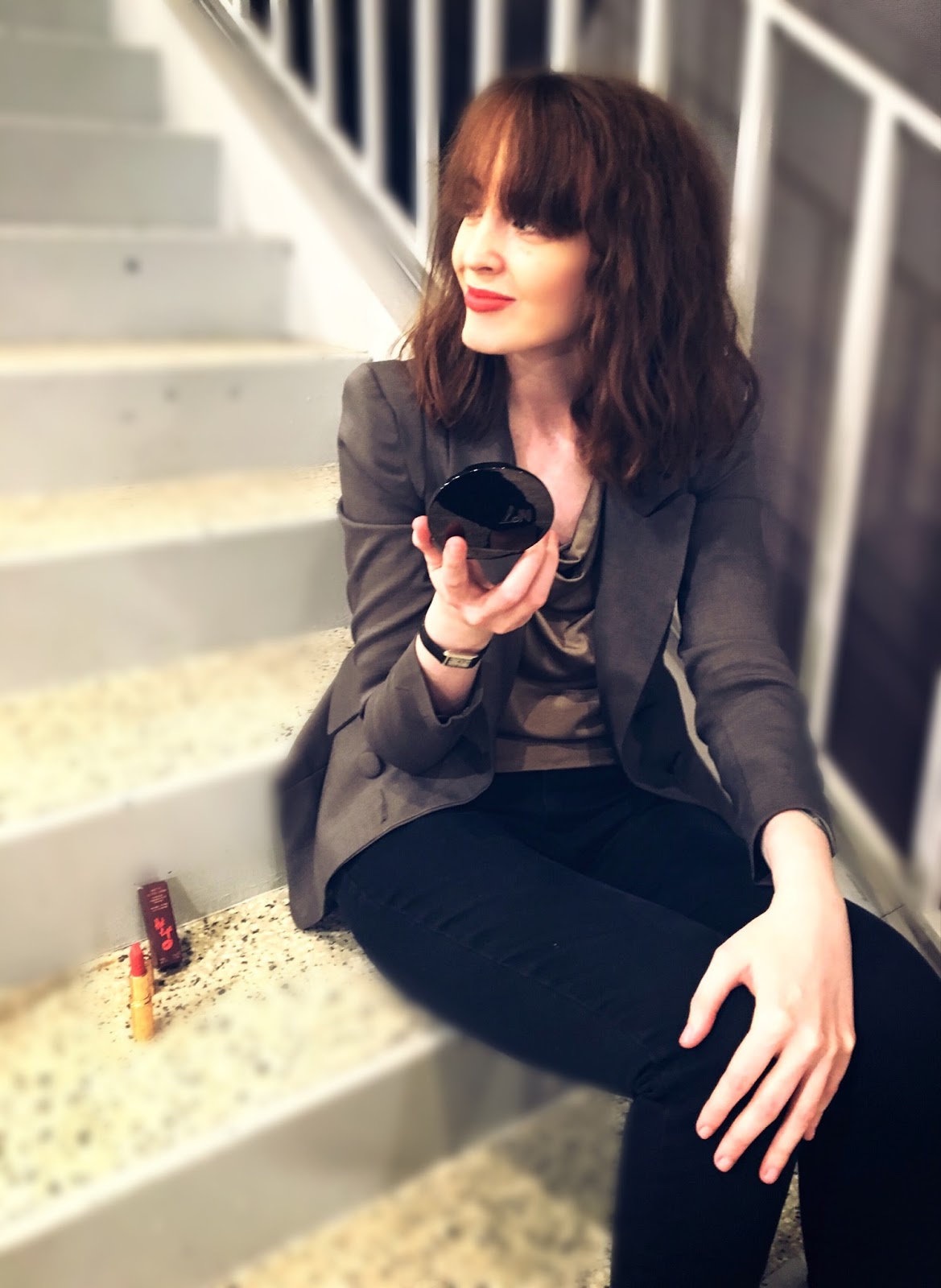
- Classic red: Try a clear red with a white shirt, dark tailoring, or a simple knit. A precise edge gives it a dressed-up feel; a softly blotted finish feels more relaxed.
- Berry and burgundy: These shades bring depth to neutral outfits and look striking alongside navy, charcoal, cream, and muted pink. Apply sheerly if you want a softer introduction.
- Brick and terracotta: Warm red-browns sit comfortably beside camel, denim, olive, and gold accessories. They can feel bold without the brightness of a scarlet lip.
- Glossy brown or rose: Definition and shine can create a statement even when the color stays close to your natural lips. A slightly deeper liner adds shape if you want it.
Use undertone as a guide
Cool reds lean toward blue or pink; warm reds lean toward orange. Brown, berry, and plum shades have undertones too. These differences help explain why two apparently similar lipsticks look quite different once applied.
You can use your skin’s undertone as a starting point, but it does not set rules about which colors you may wear. A contrasting shade can be exactly what makes a look interesting. Try the color on your lips using a hygienic tester method where available, or compare swatches with your face in natural light. A wrist swatch shows the shade and texture, but cannot reproduce how it will look over your natural lip pigment.
Choose a finish that suits your plans
The best formula is one you can comfortably wear and maintain. Finish alone does not guarantee staying power: individual products behave differently, and eating, drinking, and layering affect the result. Check the product’s directions before deciding how to apply it.
Matte for a defined effect
Matte lipstick gives saturated color a soft, low-shine surface. It suits a carefully shaped red or a deep berry, especially when you want the lip outline to be clear. Some formulas feel drier than others. If a matte catches on rough patches or feels tight, choose a more comfortable texture instead of adding repeated layers.
Satin and cream for flexibility
A satin or cream finish offers color with a little reflected light. It is a useful choice when you want a bold lip that is easy to refresh during the day. Expect some transfer, and carry the lipstick if you want to restore the color after a meal.
Gloss for shine and dimension
Gloss makes the lips a focal point through reflection. Wear it alone, over liner, or on top of a compatible lipstick. A small amount in the center adds dimension without coating the entire lip heavily. Check the edges occasionally, particularly when layering a slippery gloss over a creamy base.
Prepare gently before applying color
Start with comfortable lips. Apply a little balm and let it settle while you do the rest of your makeup. Blot away excess before lipstick so the surface is not slippery. You want softness without a thick layer of product underneath.
If loose flakes lift away easily with a damp, soft cloth, remove them gently. Avoid scrubbing, picking, or trying to polish away cracked skin. Exfoliation is not a compulsory step, and irritated lips are better left with a simple, comfortable balm until they feel ready for color.
You do not need concealer across your lips. It can change the texture and may make a drying formula less comfortable. To build a more even color, try a thin layer of matching lip pencil or choose lipstick with enough coverage for the effect you want. Your natural lip pigment can also be part of the finished look.
Apply a bold lip with control
- Map the outline. If using pencil, start with small strokes around the cupid’s bow and the center of the lower lip, then connect toward the corners. Follow your natural border for straightforward definition.
- Soften the pencil. Blend the line slightly inward so it joins the lipstick. Filling the whole lip is optional; try it if you like the extra coverage and feel.
- Add a thin coat of color. Apply from the bullet or use a lip brush where you want more control. Open your mouth slightly to reach the corners without dragging color beyond them.
- Check before layering. Look at the outline with your face relaxed. Blot a cream lipstick lightly if needed, then add a little more where coverage is uneven. For a setting liquid formula, follow its instructions.
- Tidy the edges. Use a clean cotton bud or a small brush with a little suitable makeup remover to lift stray color. Remove any residue before repairing the edge.
Liner is helpful for definition, but it is optional. A blurred berry stain or a softly pressed-on red can look intentional without a sharp outline. For that effect, apply a small amount at the center and blend outward with a clean fingertip or brush.
Style the rest of your look
For an easy balance, pair strong lip color with softly evened skin, brushed brows, and mascara. Add blush lightly, then assess the whole face before building it up. A little color in the cheeks can connect the lipstick to the rest of your makeup.
You can also wear bold lips with smoky eyes, dramatic earrings, or a patterned outfit. Give the combination a point of connection: a berry lip might echo a print, while a red lip can bring warmth to an otherwise dark ensemble. If the result feels busier than you intended, simplify one element and look again.
Consider texture as well as color. A matte lip can sit beautifully against a silky blouse; gloss can add light to a chunky knit and minimal makeup. You do not have to match your lipstick exactly to your clothes or accessories.
Keep the color looking fresh
Carry your lip color and a tissue for touch-ups. After eating, check the inner edge and corners before adding more product. If the surface has become patchy or thick, gently remove the uneven layer and reapply a thin coat. Adding lipstick repeatedly over a rough base can exaggerate the texture.
For a day when precision feels like too much effort, wear your chosen shade as a light stain or switch to a tinted balm. The appeal of a statement lip is its flexibility: a crisp red can sharpen tailoring, a sheer berry can soften a casual outfit, and a glossy brown can supply all the definition a simple look needs.