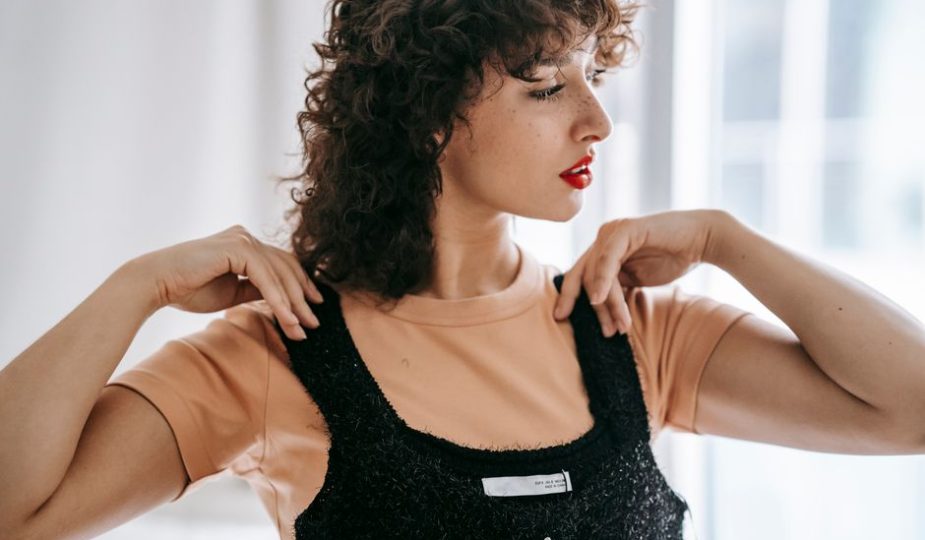
A basic T-shirt worn once a week gets about 520 wears in ten years. That makes fabric weight, seam strength, fit, and care far more important than a low price on the tag.
The goal is not to buy the most expensive item in the store. It is to find a simple garment that can handle repeated washing, match several outfits, and be repaired when one part fails.
What Makes a Basic Last Ten Years?
The best quality clothing basics solve one simple problem: they reduce the number of replacement purchases. A durable white shirt, pair of jeans, or jacket should work with your existing wardrobe, keep its shape after repeated wear, and age in a way that still looks intentional. That means construction matters as much as the fiber listed on the label.
A 100% cotton label does not guarantee a good shirt. Cotton can be tightly woven or loosely spun, long-staple or short-staple, dense or thin. Look for fabric that feels firm without feeling stiff. Hold a T-shirt up to a light. If the knit looks very open or uneven, expect faster stretching and more visible wear. For woven shirts and trousers, check that the grain runs straight rather than twisting across the body.
Fit is a durability feature. A garment that pulls at the buttons, strains across the shoulders, or rubs at the thighs will fail sooner because those points take extra stress. Choose a shape that gives you room to move while keeping the shoulder seam near the natural shoulder point. Classic colors also earn more wears: navy, black, white, gray, denim, olive, and camel usually outlast trend-driven shades in a working wardrobe.
A decade-worthy basic is not the item with the fanciest label. It is the item you can wear often, wash correctly, and repair without changing your whole wardrobe.
Inspect These Five Construction Points
- Check the seams. Turn the garment inside out and inspect the side seams, armholes, waistband, and crotch. Stitches should be even, close together, and free from loose loops. A broken thread is easy to fix; a row of uneven stitching usually signals rushed production.
- Test the fabric recovery. Gently stretch the collar of a T-shirt or the waistband of trousers, then release it. Good knit fabric should return close to its original shape. If the opening stays wide, the garment may develop a tired, wavy look after a few washes.
- Look at stress points. Jeans need secure pocket corners, a firm fly, and reinforcement where the seat meets the legs. Shirts need clean buttonholes and buttons sewn with several tight passes of thread. Jackets need a lining that does not pull when you move your arms.
- Examine the hem. A narrow, loose hem can unravel quickly. Look for an even folded edge with enough fabric turned under to hold its shape. On trousers, leave enough extra material for future alterations if the design allows it.
- Read the care label before buying. A basic that needs professional cleaning after every wear may cost more in time and money than its price suggests. Choose machine-washable pieces for daily use, and reserve delicate fibers for garments you will realistically care for.
Do not confuse thickness with quality. Heavy fabric can feel impressive in a fitting room but become uncomfortable, shrink badly, or wear through at friction points. A well-made medium-weight garment often earns more wears because you can use it across more seasons.
How Durable Basics Compare in Real Life
Product examples help show what to look for, but the construction details matter more than the logo. These are useful reference points when you want to compare a familiar basic with a cheaper alternative.
| Item | Useful quality signals | Price or care detail | Best use |
|---|---|---|---|
| Uniqlo Supima Cotton Crew Neck T-Shirt | 100% Supima cotton with long fibers and a smooth finish | Machine wash cold; check the current local price | Frequent everyday layering |
| Levi’s 501 Original Jeans | 100% cotton, non-stretch denim, button fly, five-pocket construction | About $60 on the checked US listing; $84.95 regular price | A classic straight-leg denim rotation |
| L.L.Bean Men’s Bean Boots, 8-inch | Full-grain leather upper, rubber bottom, steel shank, triple-needle stitching | Listed at $150; resoling service is available | Rain, mud, and wet outdoor wear |
| Barbour Bedale Wax Jacket | 6-ounce Sylkoil waxed cotton, corduroy collar, tartan lining | Needs periodic re-waxing to maintain weather resistance | Light rain and transitional weather |
My durability pick is the L.L.Bean Bean Boot for wet-weather use. Its repair path matters as much as the leather and rubber. For denim, the Levi’s 501 is the better reference because non-stretch cotton shows exactly how fabric, fit, and washing affect wear. The Uniqlo Supima shirt is a sensible budget benchmark, but it should not be treated like a ten-year guarantee; thin everyday knits still depend heavily on washing and drying habits.
The Barbour Bedale is the strongest choice for someone who will maintain a jacket instead of treating it as disposable. If you will never re-wax it, choose a washable cotton jacket instead. A product only becomes durable when its upkeep matches your actual routine.
Build a Care Routine That Prevents Early Wear

Wash less, wash cooler, and dry more gently. Most basics fail from repeated heat, friction, and over-washing before the fabric itself reaches its limit. Start by sorting clothes by color and weight. Do not wash lightweight T-shirts with towels, denim, or garments with metal hardware. Those heavier pieces create friction that pills soft knits and roughens smooth cotton.
Use the right washing settings
Turn dark jeans and printed shirts inside out. Use cold water and a normal or gentle cycle, depending on the label. A full load is efficient, but an overpacked drum leaves clothes twisted and poorly rinsed. Leave space for your hand at the top of the drum. Skip excess detergent; residue can make fibers feel stiff and attract more dirt.
Choose air-drying for shape-sensitive pieces
Lay knitwear flat on a clean towel instead of hanging it while wet. Hang woven shirts from a sturdy hanger with broad shoulders. Dry denim on a line or rack when possible, and keep dark garments out of direct sun to reduce fading. The dryer is convenient, but high heat can shrink cotton, weaken elastic, and set wrinkles into synthetic blends. If you use it, select low heat and remove garments while they are slightly damp.
Repair small problems early
A loose button should take five minutes, not five months. Keep a small repair kit with matching thread, a hand-sewing needle, small scissors, safety pins, and a fabric shaver. Trim loose threads instead of pulling them. Remove pills with a fabric shaver held lightly against the surface. Take trousers to a tailor when the hem starts dragging, and replace worn boot soles before the upper begins to crack.
Avoid fabric softener on towels, performance fabrics, and many durable cottons because it can leave a coating that reduces absorbency and changes the hand feel. Do not iron stains into fabric, and never store clothing while it is damp. These small habits protect the structure you paid for.
Questions to Ask Before You Buy
Is a higher price proof of better quality?
No. Price can reflect branding, rent, marketing, or limited production rather than stronger construction. Compare the fiber, stitch quality, repair options, and care demands. The L.L.Bean Bean Boot earns its higher price for a buyer who needs waterproof construction and can use its resoling option. It is a poor purchase for someone who only needs a lightweight city shoe.
Should I buy a classic item if the fit is slightly wrong?
No. A famous cut cannot rescue a bad fit. Minor changes, such as trouser hemming or taking in a shirt, are reasonable. Major shoulder alterations, tight armholes, or a waistband that digs into your skin usually cost more than the garment is worth. Buy the size that lets you sit, reach, and layer without pulling.
When should I choose a cheaper basic?
Choose the cheaper option when the item faces low wear, rapid size changes, or a short seasonal role. A trend-colored T-shirt or occasional event top does not need decade-level construction. Spend more on pieces that touch your body often or protect you from weather. For frequent denim wear, the Levi’s 501’s 100% cotton, non-stretch construction is a stronger long-term starting point than a thin fashion jean that loses its shape quickly.
What is the final buying test?
Ask whether you can name at least five outfits for the item, explain how you will wash it, and identify the first repair it might need. If you cannot, leave it in the store. The once-a-week T-shirt from the opening example only reaches 520 wears when its fabric, fit, and care plan all work together. That is the real decade test.