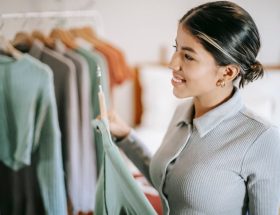
You are in a fitting room with two pairs of jeans that look almost identical. One costs $45. The other costs more than $100 and carries a recycled-fiber claim on the label. The hard part is knowing which pair actually supports better farming, cleaner dyeing, and safer work.
Why Responsible Denim Starts Before the Dye
Cotton Is Only the First Question
A responsible pair of jeans begins with the fiber, but the fiber alone cannot prove much. Conventional cotton can require large amounts of water, pesticides, and fertilizer before it reaches a spinning mill. Organic cotton avoids most synthetic pesticides, while recycled cotton reduces demand for new fiber. Regenerative cotton goes a step further by tying farming practices to soil health and farm conditions. Those terms describe different benefits, so a label that says only “eco denim” gives you too little information.
Look for a clear fiber breakdown. “98% organic cotton, 2% stretch fiber” tells you more than “made with conscious materials.” A small amount of elastane can improve comfort, but it can also make recycling harder at the end of the garment’s life. For a pair you expect to wear for years, the best choice is a high-cotton fabric with enough stretch for movement but not so much that the waistband loses shape.
The Factory and Finish Matter
Denim creates impact after the cotton leaves the farm. Spinning, weaving, indigo dyeing, washing, fading, sewing, and transport all add to the final footprint. Stonewashing and heavy fading can use more water and chemicals than a dark, lightly finished pair. Cleaner systems include foam dyeing, water recycling, lower-impact finishing, and air drying.
People belong in the same test. A credible brand names its factory standards, repair policy, or worker program. Responsible denim means material traceability plus human accountability. If a company discusses cotton but says nothing about sewing conditions, its story is incomplete.
How to Check a Denim Sustainability Claim
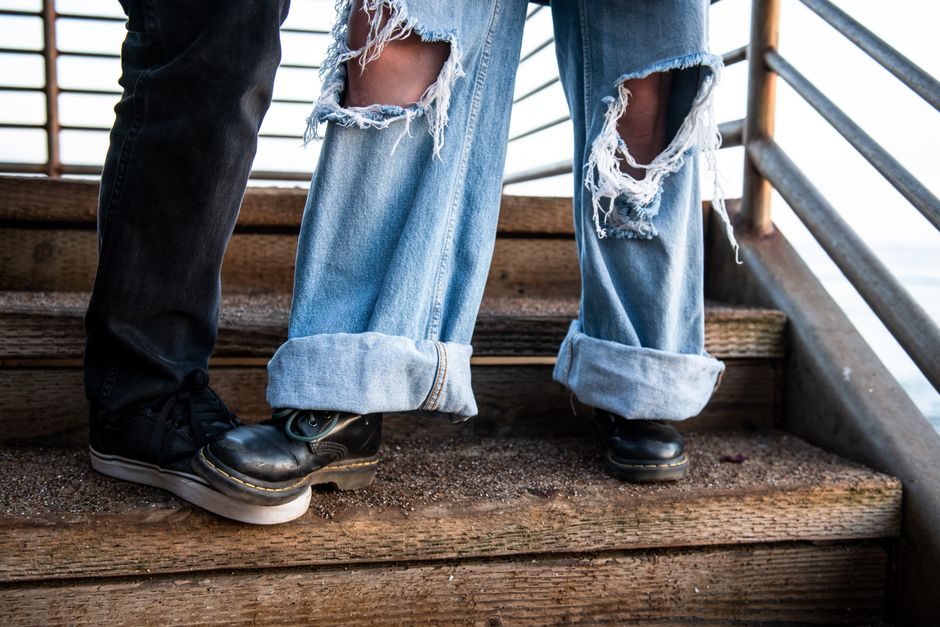
My buying rule is simple: specific claims deserve your attention; vague claims deserve your skepticism. Use this three-part check before paying for a supposedly responsible pair.
1. Read the Fiber Line
- Find the exact composition. Prefer named fibers such as organic cotton, recycled cotton, hemp, or certified cellulosic fibers over broad phrases such as “responsible fabric.”
- Check the stretch percentage. One or two percent elastane can improve comfort. A heavily synthetic blend may feel soft at first but usually gives you a weaker recycling story.
- Ask what the finish does. Dark raw denim, foam-dyed denim, and lightly washed denim usually require less finishing than strongly faded or distressed styles.
2. Trace the Process
Search for the actual mill, dye process, or wastewater practice. A company does not need to publish every supplier name, but it should explain where its major environmental gains happen. “Uses less water” is weak. “Uses foam dyeing to reduce wastewater” gives you a process to evaluate.
3. Check the Worker Standard
Look for Fair Trade certification, living-wage projects, factory audits with follow-up, or a long-term repair and warranty policy. None of these proves that a brand has solved every labor problem. They do show that the company accepts responsibility beyond the checkout page. Avoid treating a recycled hangtag as proof of ethical production.
Four Responsible Denim Brands Worth Comparing
The table below compares products using their listed U.S. prices or regular prices. Sale prices change, and final-sale stock can limit returns, so check the size and return terms before ordering.
| Brand and product | Listed price | Useful details | Best for |
|---|---|---|---|
| Patagonia Men’s Straight Fit Jeans | $135 | 12-ounce denim; 64% Regenerative Organic Certified cotton, 35% recycled cotton, 1% spandex; foam-dyed; Fair Trade Certified factory | Strongest overall responsibility story |
| Outerknown The Cove Slim Jean | $168 | 13-ounce organic cotton denim with stretch; life guarantee; Fair Trade Certified sewing claim | Classic slim fit and long-term ownership |
| Boyish The Tommy | $198 list; $99 sale when checked | 18% OCS organic cotton, 41% GRS recycled cotton, 41% Tencel Lyocell; 27-inch inseam | Rigid high-waisted straight denim |
| Everlane Organic Cotton Slim-Fit Jean | $128 list; sale pricing varies | Organic cotton construction; waist sizes listed from 28 to 40; multiple inseam options | Accessible everyday slim jeans |
Best Overall: Patagonia
Patagonia wins for the clearest combination of material innovation, Fair Trade sewing, and useful product details. Its 12-ounce fabric should feel substantial without becoming overly stiff, while foam dyeing addresses one of denim’s biggest process problems. The $135 price is high, but the construction and repair-minded brand policy make it the strongest choice for someone buying one dependable pair.
Best for Fit and Style: Outerknown
Outerknown takes the style lead. The Cove Slim has a familiar 13-ounce weight, a little stretch, and a lifetime guarantee. Choose it if you want a conventional slim silhouette and plan to wear the pair often. Its weakness is price: at $168, it only makes sense if the fit works immediately and the guarantee encourages years of use.
What Responsible Denim Gets Wrong

Responsible denim still has trade-offs. Organic cotton does not erase irrigation, transport, dyeing, or garment waste. Recycled cotton can reduce new-fiber demand, but recycled fibers may shorten the fabric’s staple length and require stronger supporting fibers. Tencel Lyocell can offer a useful alternative to some conventional fibers, yet the finished garment still depends on how the mill handles dyes, water, and energy.
Cheap, Green, and Durable Are Different Tests
A low price does not always mean poor quality, and a high price does not prove good labor practices. Sale denim may give you a strong garment at $50, but a final-sale policy can create waste if the fit fails. A premium pair may last longer, but only if you wear the cut often enough to justify the cost. Judge the garment by cost per wear, not the hangtag alone.
When Secondhand Beats a New Certified Pair
If you already own several pairs, buying another “responsible” style may add less value than repairing or finding one secondhand. The environmental benefit of a new pair starts with making it. A used pair skips that first production cycle, even if its original fiber mix was ordinary. Choose new denim when you need a specific fit, size, or workhorse fabric that you cannot find used.
The Fit Mistake That Creates Waste
Do not buy a pair that is almost right because the fabric sounds impressive. A waistband that gaps, a rise that pinches, or an inseam that needs major alteration can turn a well-sourced garment into an abandoned one. Measure jeans you already love and compare the rise, thigh, hem, and inseam with the brand’s chart. The most responsible pair is the pair you keep reaching for.
How to Make Jeans Last Longer
The simplest sustainability upgrade is more wear from the jeans already in your closet. Care does not need to become a ritual. It needs to become predictable.
Measure Before Ordering
- Measure the waistband of a comfortable pair while it lies flat, then double that number.
- Measure the front rise from the crotch seam to the top edge.
- Measure the inseam from the crotch seam to the hem.
- Compare those numbers with the garment measurements, not only the size name.
- Buy the fit that works without relying on dramatic stretching after the first wash.
Wash Less, Repair Earlier
Air out jeans after normal wear and wash them when they smell, feel dirty, or lose their shape. Turn them inside out, use cold water, choose a gentle cycle, and line dry when possible. Heat can shrink cotton and weaken stretch fibers. Do not wait for a small tear to become a split seam. A local tailor can reinforce pocket corners, replace a button, or patch a worn thigh for far less than a new pair.
Skip rigid rules about never washing denim. Hygiene and comfort matter. The goal is fewer harsh washes and more total wears, not a performance of toughness.
Which Responsible Denim Pair Should You Choose?

Who Should Buy Patagonia?
Choose the Patagonia Men’s Straight Fit Jeans if you want the best all-round responsibility profile and can spend $135. The regenerative cotton, recycled cotton, foam dyeing, and Fair Trade factory give the product more substance than a single organic-cotton claim. It is the clear winner for a daily pair that needs a straightforward straight-leg shape.
Who Should Buy Outerknown or Boyish?
Choose Outerknown The Cove Slim at its $168 regular price if a slim fit and lifetime guarantee matter most. Choose Boyish The Tommy if you want a high waist, rigid straight cut, and a fabric blend built around certified organic and recycled fibers. Boyish offers more fashion character, but the shorter 27-inch inseam limits its usefulness for taller shoppers.
Who Should Choose Everlane?
Everlane is the practical budget pick when its Organic Cotton Slim-Fit Jean drops below the $128 list price and your size remains available. Treat final-sale pricing as a commitment: confirm measurements first. For the shopper standing in that fitting room, the answer is now clearer. Buy the pair that fits without excuses, has a traceable material story, and will still earn regular wear next year.