Looks-maxxing turns looking your best into a project: refine the haircut, improve the grooming routine, adjust the wardrobe, then keep searching for the next upgrade. Online, the term can cover anything from ironing a shirt to treating every feature as a flaw that needs correcting. That is a wide gap, and it matters when deciding whether the trend deserves a place in your life.
There is nothing wrong with enjoying beauty or wanting to feel more put together. A manageable routine can make getting ready more satisfying. The question is whether appearance improvement serves you, or starts setting the terms of your day. Borrow the useful habits, but be wary of the idea that you must constantly optimize yourself to be worthy of attention.
What are you actually trying to change?
Before buying anything, identify the everyday frustration behind the makeover impulse. Is your hair difficult to style? Does your foundation separate by lunchtime? Do you own plenty of clothes but struggle to assemble an outfit? These are specific problems with practical solutions. “Become more attractive” is a moving target that gives you no clear point at which to stop.
Choose one or two goals you can describe without criticizing your body. For example, aim for a quicker morning routine or three outfits you enjoy wearing. Avoid using a filtered photograph as a blueprint. Lighting, posing, lenses and editing can change how a face or body appears, making direct comparisons a poor guide to what will work in your bathroom mirror.
The useful side: care that makes life easier
The strongest argument for a gentle version of looks-maxxing is the pleasure of feeling prepared. Clean hair, comfortable clothes and neatly maintained nails can help you feel ready to leave the house. Confidence is personal, though: a new haircut may delight you without transforming your work, relationships or social life. Beauty care does not need to promise those outcomes to be worthwhile.
It can also encourage you to understand your preferences. Perhaps you like a soft, brushed-out hairstyle more than a sleek finish, or discover that a tinted lip balm suits your routine better than a carefully lined lip. These small discoveries build a personal style. The benefit comes from finding what feels useful and expressive, rather than passing someone else’s attractiveness test.
Start with a simple grooming routine
Take stock of what you already use before adding steps. For everyday skincare, keep the routine straightforward: gentle cleansing as needed, moisturizer suited to how your skin feels, and sunscreen used according to its label. There is no need to introduce several unfamiliar products at once. Follow product instructions, and stop using anything that causes irritation rather than treating discomfort as proof it is working.
Pay attention to application as well as the product itself. Apply moisturizer evenly, including areas you tend to miss around the nose or jaw. Let skincare settle before applying makeup, and use thin layers if products tend to pill. A rushed pile of formulas is unlikely to make mornings easier. Keep brushes and reusable applicators clean according to their care instructions.
For grooming, make a short maintenance list that matches your preferences: wash and dry hair, tidy nails, moisturize hands and clean your glasses. If you shave, use a product and technique you already find comfortable. Facial and body hair are styling choices, not automatic problems to solve. The aim is a routine you can maintain without turning your bathroom into a checklist of faults.
Make hair and makeup work with your day
A useful haircut should suit the time you actually spend styling. Before an appointment, consider your hair’s natural texture, how often you wash it and whether you usually air-dry it. Bring reference pictures to explain the shape or finish you like, while allowing for differences in texture. Ask how the cut behaves without a full styling session and what upkeep it needs.
Try changing one styling detail before replacing your whole routine. Move your parting, smooth a small amount of styling product through the ends, or practice a loose bun that stays comfortable. Start with less product than you think you need; adding a little more is easier than undoing a heavy finish. If you use heated tools, follow their instructions and your heat-protection product’s directions.
Makeup can be equally selective. Apply a small amount of concealer only where you want coverage, blend the edges, then check the result in daylight. Brush brows into place without assuming they need reshaping. Tap blush on lightly and build the color gradually. You can enjoy a polished finish while leaving skin texture, freckles or under-eye shadows visible.
Use clothes to support your style
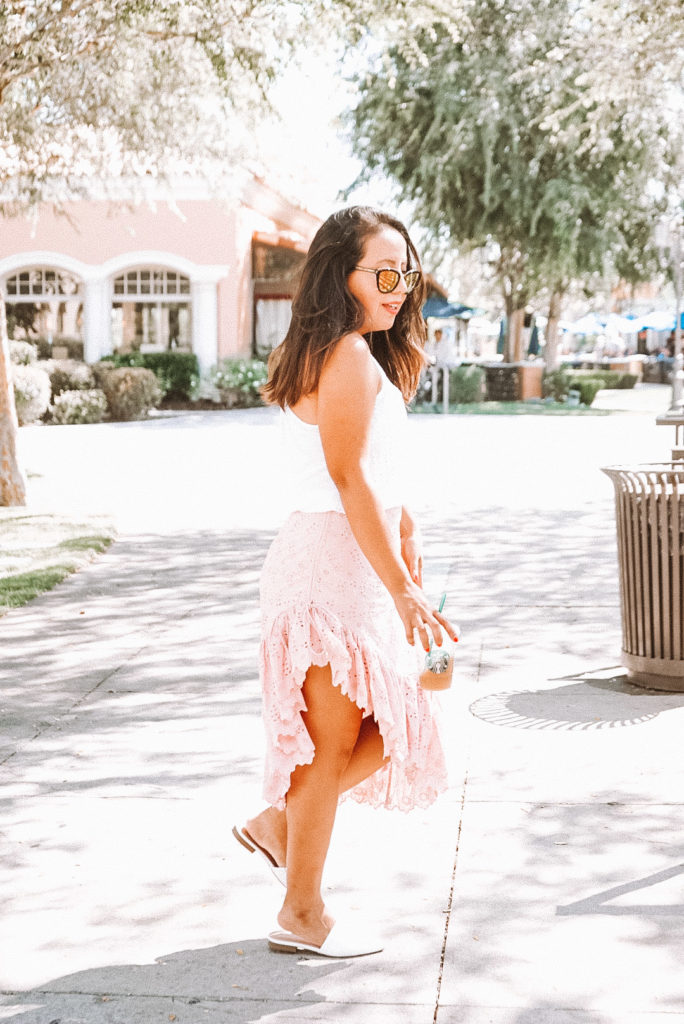
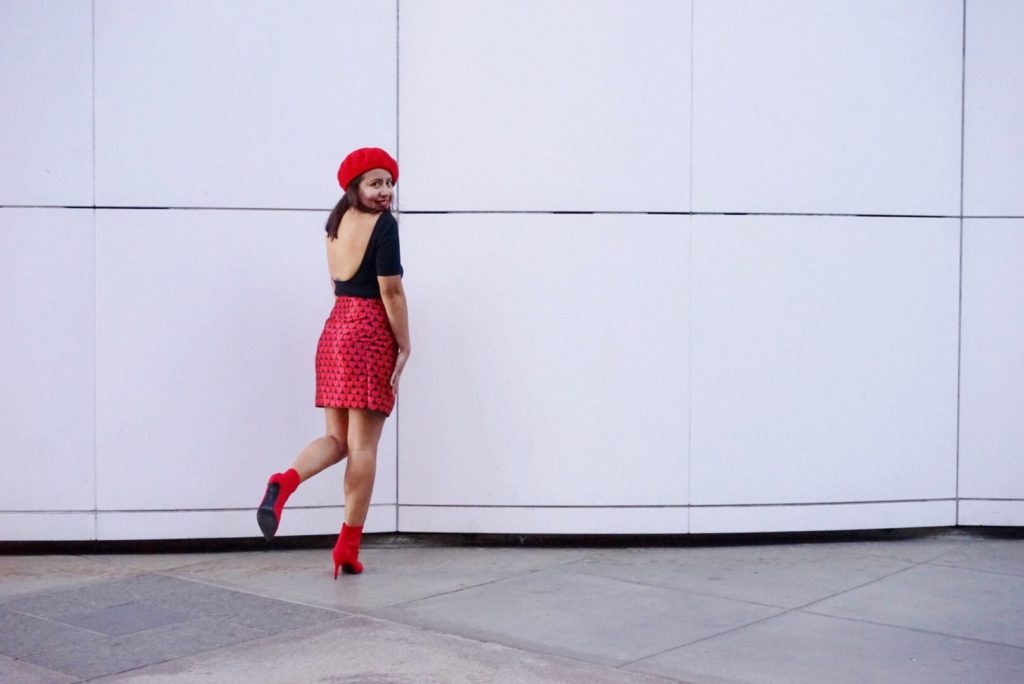
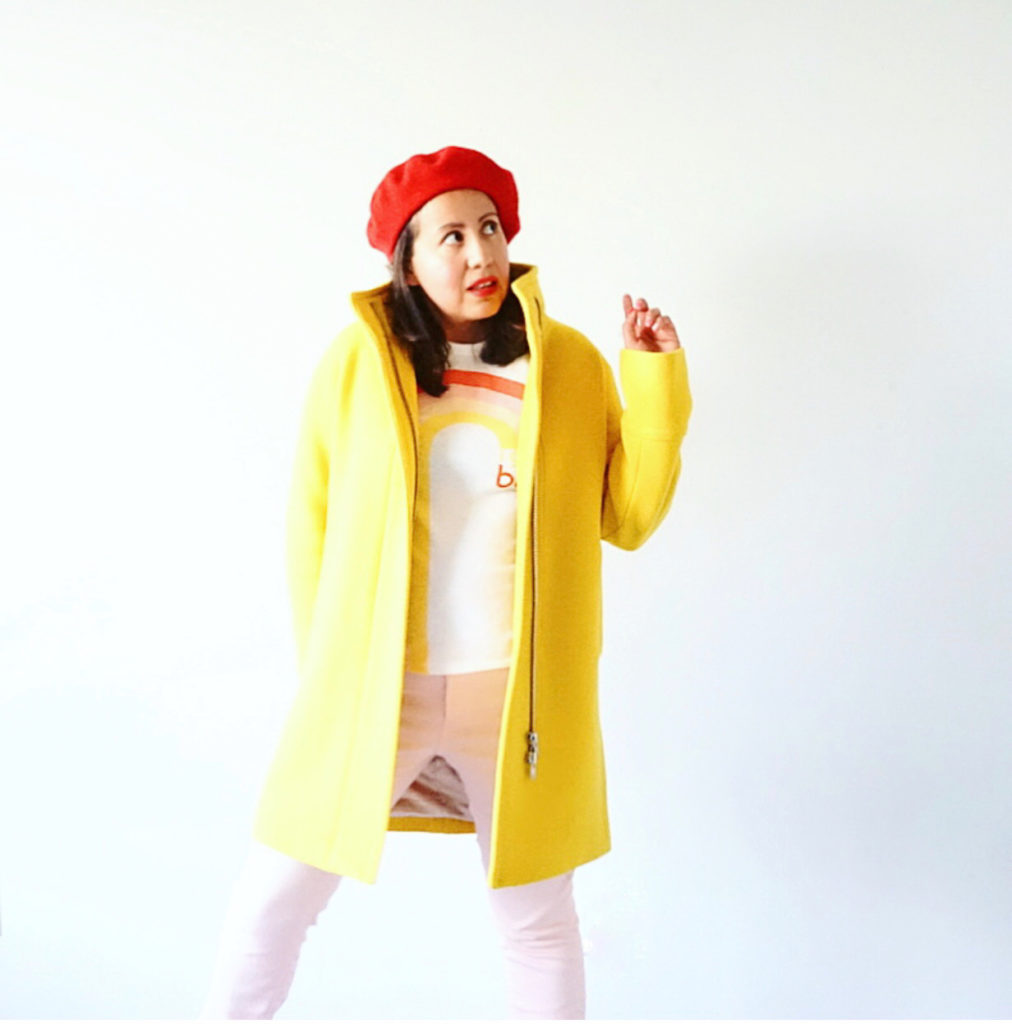
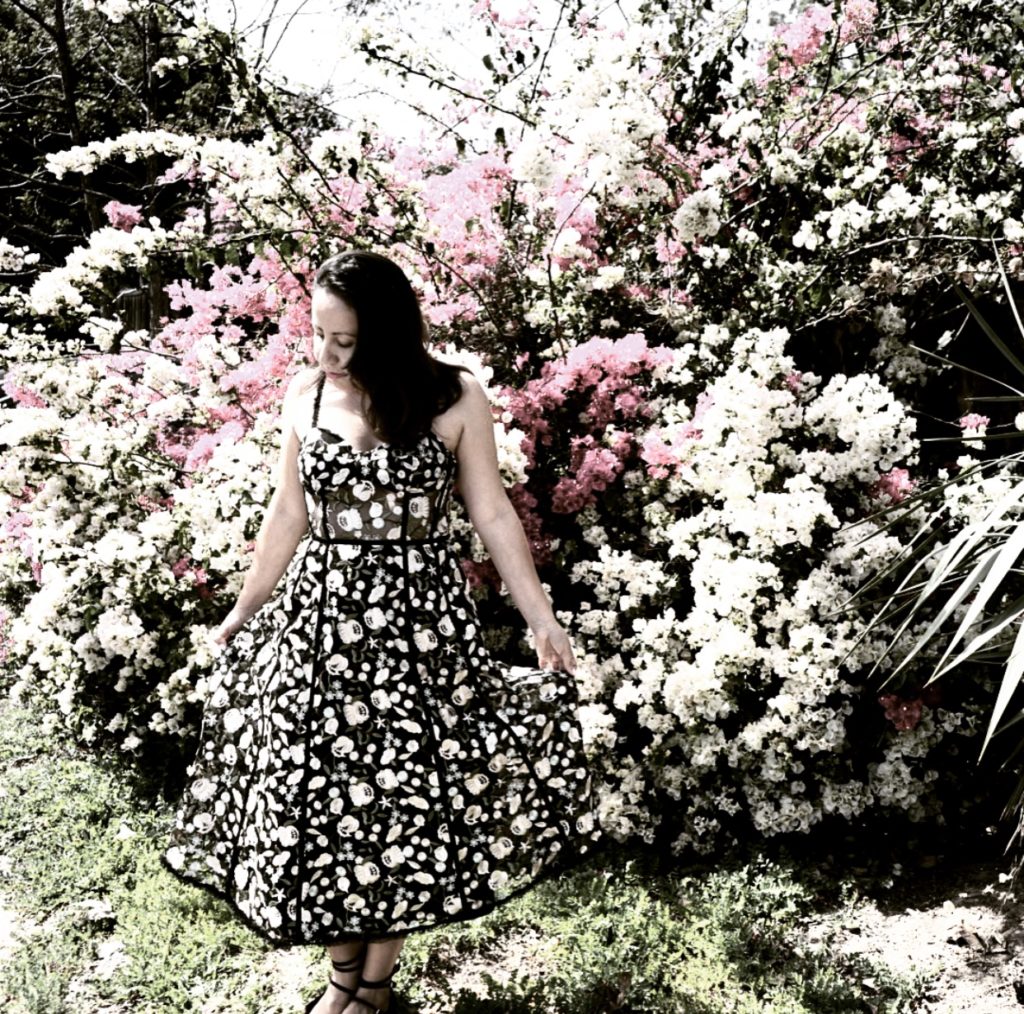
Clothing often offers a more immediate, reversible change than another beauty purchase. Start with fit and condition: a shoulder seam that sits comfortably, a waistband that lets you sit easily and a hem that works with your shoes. Remove lint, steam creases when appropriate and check care labels before washing. Well-maintained pieces can make an outfit feel intentional without changing your body.
Build a few combinations from your existing wardrobe. Straight-leg trousers, a cotton T-shirt and a lightweight overshirt make an easy casual outfit. For something softer, try a knitted top with a fluid skirt and comfortable flats. A linen shirt can give warm-weather outfits texture, while a smooth cotton layer may feel less bulky beneath a jacket. Choose fabrics for comfort, movement and realistic care requirements.
Test outfits by walking, sitting and reaching, rather than judging only a still mirror pose. If you keep tugging at a neckline or adjusting a hem, try another combination. Accessories can supply the finishing touch: clean shoes, a belt you enjoy or a familiar pair of earrings. You do not need an entirely new wardrobe to look considered.
When improvement becomes a moving target
The downside of aggressive looks-maxxing is that it can make ordinary variation feel unacceptable. A breakout, a photograph taken at an awkward angle or a day when your hair will not cooperate becomes evidence that you need to work harder. Rating systems and endless before-and-after posts can encourage this habit, especially when every suggested fix leads to another purchase.
Notice what the process costs beyond money. Are you repeatedly checking mirrors, delaying plans until you look “right” or losing enjoyment in getting dressed? Those are reasons to step back from the project. Mute accounts that leave you picking apart your features. Set a spending limit before browsing, and finish useful products before replacing them simply because a new routine is trending.
So, should you be looks-maxxing?
If it means taking care of yourself and experimenting with style, take the parts you enjoy. Give a small, manageable change time to become familiar, then judge it by practical questions: Is getting ready easier? Am I comfortable? Do I like the result? Keep what earns its place and drop what feels like unnecessary work.
If it means chasing a perfect face or treating appearance as your main source of value, the bargain is less appealing. Leave room for interests, friendships, kindness and days when grooming is simply functional. A beauty routine should help you get on with your life. It should not require you to put that life on hold until you look different.