Start with the Shoes Your Fall Wardrobe Needs
Fall footwear does not have to mean buying another pair of boots. Boots can be useful, but a loafer or a comfortable sneaker may solve more of your everyday styling problems. The best starting point is your routine: how far you walk, what the weather brings, and which clothes you reach for when the temperature drops.
Before shopping, take out the shoes you already own. Try them with your usual jeans, work trousers, and a favorite dress or skirt. Look for a specific gap, such as a polished shoe for mild days or a boot that fits comfortably beneath your trousers. A clear purpose makes choosing easier than an appealing display alone.
Dress for the transition
Early fall can bring cool mornings and warm afternoons. A heavy boot may feel right when you leave home but uncomfortable later. Loafers, lace-up shoes, and sneakers offer useful options during that transition. Keep heavier boots for days when their extra coverage feels welcome.
Your local conditions matter more than a seasonal shopping calendar. If rain is common, check the manufacturer’s care and water-resistance information. A substantial-looking sole or leather upper does not, by itself, make a shoe waterproof.
Choose a Silhouette That Works with Your Clothes
Chelsea boots for easy everyday dressing
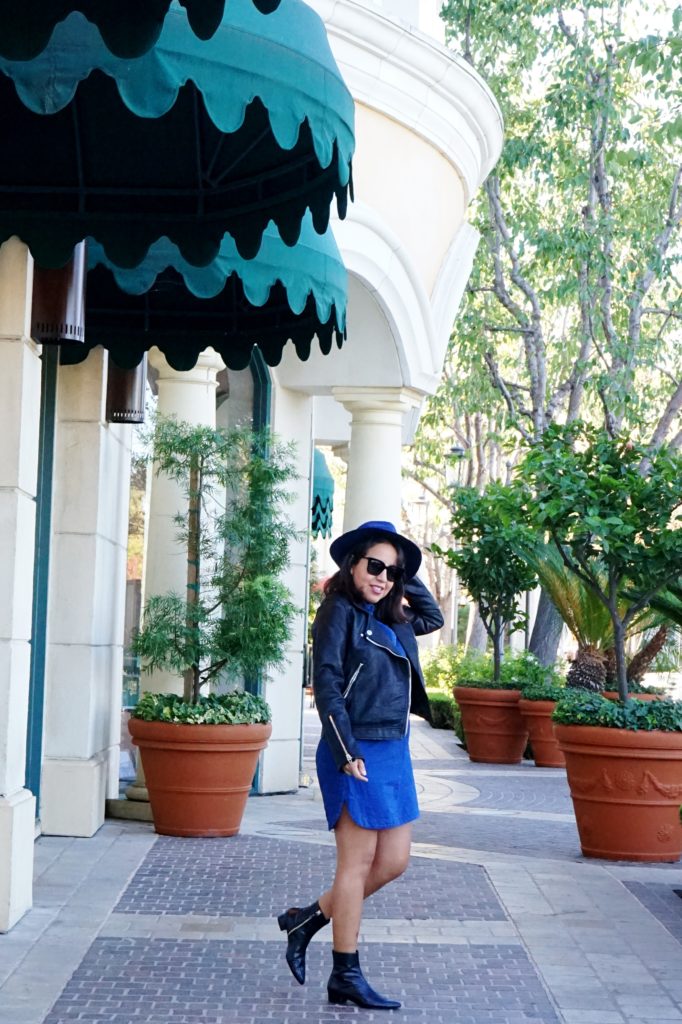
Recognizable by their elastic side panels, Chelsea boots are a straightforward option for casual and smart-casual outfits. A streamlined pair can sit neatly beneath straight-leg trousers, while a rounder toe and heavier sole give denim a more relaxed finish. Black, brown, and burgundy all work well with familiar fall shades.
Check how easily the boots pull on and whether the instep feels comfortable once your foot is inside. Elastic panels help with entry, but they do not offer the same adjustment as laces. If the boot presses painfully across the top of your foot, try another width or shape instead of assuming it will stretch enough.
Lug sole boots for a stronger outline
A lug sole adds visual weight, which can balance a roomy coat, wide trousers, or a soft knit dress. Choose a sole you can comfortably lift and flex as you walk. Deep tread may be useful outdoors, but traction depends on the sole material and surface conditions; wet leaves still call for care.
If you like the look, try it with clothes you already wear. There is no need to predict whether an exaggerated silhouette will feel current through the following seasons. A less pronounced sole may be easier to combine with your wardrobe, while a bolder version can become a deliberate focal point.
Knee-high boots for skirts and dresses
Knee-high boots add coverage beneath skirts and dresses when the air turns cooler. Try them with a midi hem that overlaps the shaft, or leave a visible gap beneath a shorter skirt. Both approaches can work; choose the proportions that feel comfortable and intentional to you.
Pay attention to the calf opening and the area behind the knee. You should be able to sit, bend, and walk without pinching. If you plan to tuck in trousers, test that combination before buying. Fabric that bunches inside the shaft can make an otherwise comfortable boot awkward to wear.
Loafers for milder days
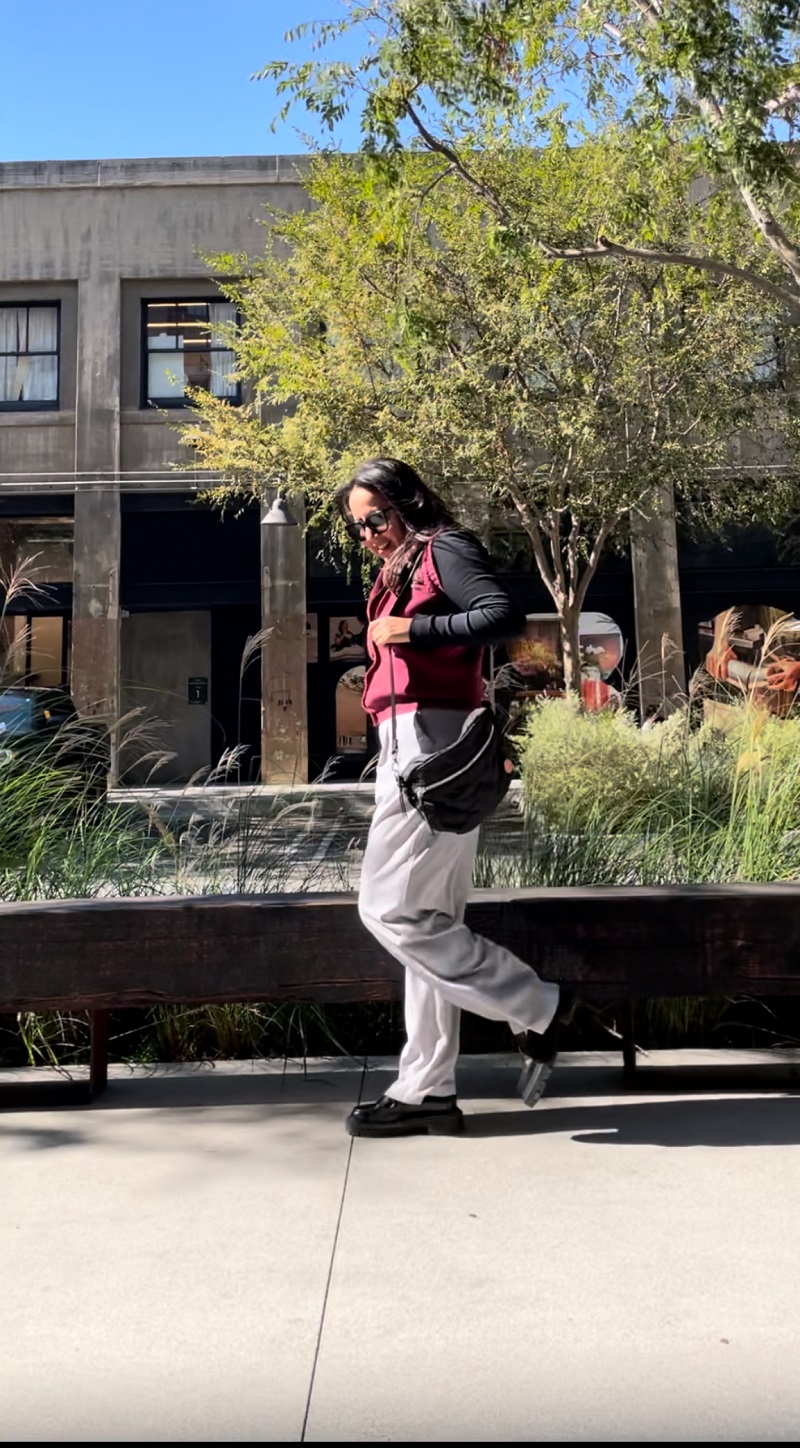
Loafers bring a polished finish to denim, tailored trousers, and knitted skirts. A platform gives the shoe more presence beneath a wide hem, but a flat loafer can work equally well when the trouser length lets the toe show. Neither version needs to be reserved for office outfits.
Try loafers with the socks you expect to wear. A fine ribbed sock can add warmth and a small color contrast, while a thicker sock may change the fit significantly. Check for heel rubbing and pressure across the forefoot rather than relying on the size label alone.
Sneakers for busy days
Sneakers belong in a fall wardrobe, especially when your day includes walking, errands, or travel. Cream, tan, grey, and darker neutrals combine easily with autumn clothes. Use texture and shape to guide the outfit: a simple leather-looking upper feels different from a technical mesh running shoe.
Choose a pair that feels comfortable for your activity. Cushioning preferences vary, and a bulky appearance does not guarantee support. For damp weather, check the shoe’s stated protection and allow wet footwear to dry according to its care instructions.
Make Fit the Deciding Factor
Try footwear with the socks, insoles, or orthotics you intend to use. Walk around, turn, and stand for a moment. Your toes need room, your heel should feel secure, and the shoe should not force your foot into an uncomfortable position. Compare sizes or widths if the fit is uncertain.
Do not automatically size up for fall boots. Extra length may create slipping without solving a width problem. A different last, wider fitting, or adjustable lace-up design may suit you better. When ordering online, read the sizing guidance and return terms so you can assess the fit indoors.
Look beyond the label
- Inspect seams, lining, and edges for rough areas that could rub.
- Check that the sole bends comfortably where your foot bends.
- Test zips, buckles, and laces without forcing them.
- Ask about repair options if being able to replace the sole matters to you.
- Read material-specific care instructions before using protective products.
Price alone cannot tell you how long a pair will last. Construction, materials, fit, frequency of wear, and care all influence its useful life. Spend according to the role the shoe will play, and avoid treating a brand name as a substitute for trying it on.
Simple Ways to Style Fall Footwear
- Check trouser hems with your shoes on. Full-length trousers can fall over a boot, while cropped trousers can reveal the shaft. Aim for a hem that hangs freely and stays clear of the ground.
- Use socks to adjust warmth and color. A visible ribbed pair can connect loafers or sneakers to a knit, scarf, or coat without requiring an exact match.
- Balance volume across the outfit. A substantial shoe can anchor wide trousers, while a sleeker boot offers a quieter finish beneath a full skirt.
- Repeat a color if you want a cohesive result. Brown boots can echo a belt or bag, but every accessory does not need to match.
- Try the complete outfit before leaving. Sit down and walk in it so you notice catching hems, slipping socks, or an uncomfortable boot shaft.
Build a Useful Rotation
A useful fall shoe collection might include a comfortable everyday pair and a more polished option, with weather protection suited to your climate. You may already own both. Clean, repair, or replace worn components where practical before adding something new.
After wearing your shoes, remove surface dirt and let them dry away from direct heat. Follow the care guidance for leather, suede, textiles, or synthetic materials, and test treatments on a discreet area first. Store pairs so their shape is supported rather than crushed together.
The most useful fall footwear makes getting dressed easier. Choose shoes that fit well, suit your regular activities, and work with several outfits you enjoy wearing. A familiar silhouette that earns its place in your week can be more satisfying than a new pair that stays in its box.