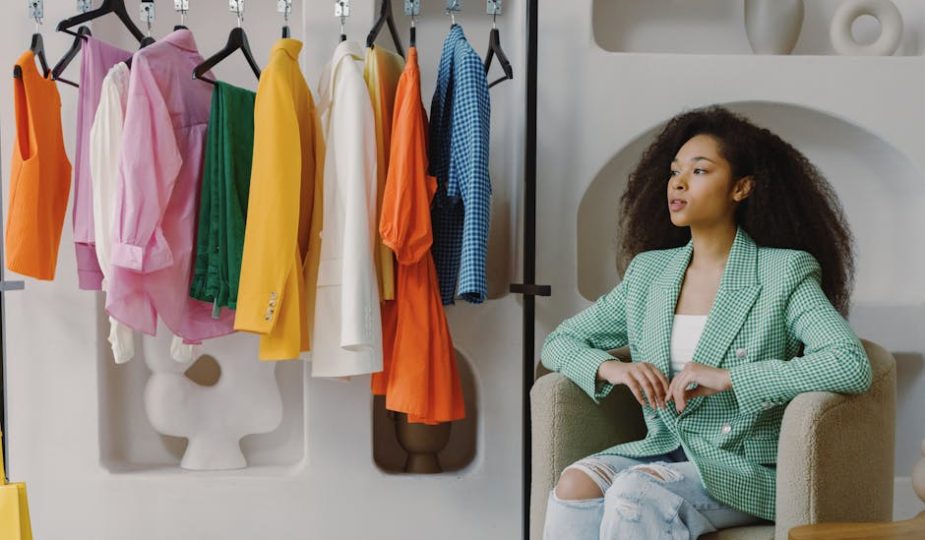
You’re standing in front of the mirror, a new blazer draped over your shoulders. It looks good, feels good, but then you see the price tag: $250. A few stores down, a very similar-looking blazer is $700. Another one online promises ‘premium quality’ for $1200. What gives? How can two pieces of fabric cut into the same shape have such wildly different costs?
This isn’t about marketing hype. It’s about fundamental differences in materials, construction, and brand legacy. I spent a weekend digging into blazer pricing, examining everything from budget-friendly options to high-end investment pieces. Here’s what separates a true quality blazer from something that just looks the part, and how much you should expect to pay in 2026.
Why Do Blazer Prices Vary So Much?
The price tag on a blazer isn’t arbitrary. It’s a direct reflection of several key factors, often invisible to the casual eye. Understanding these helps you make an informed decision, ensuring you’re not overpaying for something mediocre or dismissing a genuinely great value.
Material Matters: Wool, Linen, Cotton, and Blends
Fabric quality is perhaps the most significant determinant of a blazer’s price. Natural fibers generally cost more than synthetics, and within natural fibers, there’s a huge spectrum.
- Wool: Merino wool is a common choice, prized for its breathability, wrinkle resistance, and drape. Finer wools, like super 120s or 150s (referring to the fineness of the yarn), are softer, lighter, and more expensive. Cashmere, a luxurious and incredibly soft wool from cashmere goats, drives prices up significantly. A pure cashmere blazer can easily run upwards of $1500, while a good quality merino wool might be $400-$800.
- Linen: Ideal for warmer climates, linen blazers offer a relaxed, textured look. High-quality linen from European mills (like those in Ireland or Italy) will cost more than linen sourced elsewhere. Expect to pay $300-$600 for a well-made linen blazer.
- Cotton: Cotton blazers are versatile and comfortable. Pima or Egyptian cotton, known for longer fibers and softness, are premium choices. A good cotton blazer can range from $200-$500.
- Blends: Many blazers use blends to achieve specific properties (e.g., wool-silk for luster, wool-polyester for durability and wrinkle resistance). While some blends can offer excellent performance, a high percentage of cheap synthetics like polyester will lower the cost and often the overall feel and breathability.
Understanding Construction: Fused, Half-Canvas, and Full-Canvas
Beneath the outer fabric, the internal structure of a blazer dictates its shape, drape, and longevity. This is where a lot of the cost difference lies.
- Fused Construction: This is the cheapest and most common method for mass-produced blazers. The interlining (a stiff material that gives the blazer its shape) is glued or ‘fused’ to the outer fabric. While affordable, fused blazers can sometimes feel stiff, and over time or with repeated dry cleaning, the glue can delaminate, causing bubbling or puckering on the fabric surface. Most blazers under $300 are fused.
- Half-Canvas Construction: A significant step up, half-canvas blazers have a canvas material sewn into the chest and lapel area. This allows the blazer to mold to your body over time, providing a more natural drape and better shape retention. The bottom portion of the blazer often remains fused. This method offers a great balance of quality and price, typically found in blazers ranging from $300 to $800. Brands like J.Crew and Spier & Mackay often use half-canvas construction in many of their offerings.
- Full-Canvas Construction: The gold standard in tailoring, full-canvas blazers feature a canvas interlining sewn throughout the entire front of the garment. This allows the fabric to hang freely, creating a fluid, natural drape that truly molds to your body. It’s a labor-intensive process, involving many hours of hand-stitching, which is why full-canvas blazers are the most expensive. They are incredibly durable and will look better with age. Expect to pay $800+ for a full-canvas blazer, often seen in high-end brands like Canali or Zegna.
The True Cost of Quality: What to Expect at Each Price Point
Here’s a breakdown of what you can generally expect when looking at blazers across different price tiers in 2026. This isn’t a hard rule, but a reliable guide.
| Price Range | Typical Construction | Materials Common | Expectations | Example Brands (select lines) | |
|---|---|---|---|---|---|
| Under $300 | Fused | Wool blends, cotton, linen blends, synthetics | Often stiff, less durable, limited drape, prone to bubbling over time. Good for occasional wear. | Zara, H&M, Express | |
| $300 – $600 | Mostly half-canvas (some higher-end fused) | Mid-grade merino wool, quality cotton, linen, wool-silk blends | Good drape, better shape retention, decent durability. Excellent value for regular wear. | J.Crew, Banana Republic, Uniqlo (premium), selected Brooks Brothers Regent Fit | |
| $600 – $1000 | Half-canvas (often premium), some entry full-canvas | Fine merino wool (Super 120s-150s), quality cashmere blends, premium linen | Superior drape and feel, excellent shape retention, very durable. Investment piece for frequent wear. | Spier & Mackay, Reiss, Theory, Brooks Brothers (most lines) | |
| $1000+ | Full-canvas (hand-finished) | Luxurious wools (Super 150s+), pure cashmere, silk-wool-linen blends | Exceptional drape, molds to body, heirloom quality, built to last decades. Ultimate sartorial investment. | Canali, Zegna, Ralph Lauren Purple Label |
Under $300: Entry-Level Options
At this price point, you’re primarily getting a blazer for its aesthetic and general utility. Don’t expect longevity or a tailored fit off the rack. These are often great for trying new styles or for situations where durability isn’t .
Over $800: Investment Pieces
Crossing the $800 threshold usually means you’re entering the realm of half-canvas or full-canvas construction, with superior fabrics and attention to detail. These blazers are designed to be worn frequently, last for years, and drape beautifully. They hold their shape and often feel noticeably better than their cheaper counterparts.
My Top Picks for Best Value Blazers (2026)
After considering construction, fabric, and overall reputation, here are my top recommendations for blazers that offer significant quality for their price point in 2026. These aren’t necessarily the cheapest or most expensive, but they deliver real value.
Best Everyday Blazer: Spier & Mackay Neapolitan Blazer ($550-$750)
For an everyday workhorse that still looks incredibly sharp, I consistently recommend the Spier & Mackay Neapolitan Blazer. Their blazers often feature a full-canvas construction, even at a price point where most competitors offer only half-canvas or fused. They use quality Italian and English wools, and the soft, unstructured shoulder (Neapolitan style) makes them comfortable and versatile. You get an exceptional drape and a blazer that truly forms to your body over time. The range in price depends on the specific fabric, but even their entry-level full-canvas wools are fantastic.
Best Dressy Blazer: Reiss Tailored Blazer ($600-$800)
When you need something sharper and more modern for evening events or important meetings, the Reiss Tailored Blazer is a superb choice. Reiss excels at modern, slim-fit tailoring with a clean aesthetic. Their blazers typically feature a robust half-canvas construction and premium European wools, often with a slight stretch for comfort. The detailing is always precise, from the lapel roll to the button stitching. While not full-canvas, the quality of their half-canvas is excellent, making it a reliable and stylish pick.
Best Classic Investment: Brooks Brothers Regent Fit Blazer ($700-$950)
For those who prefer a timeless, American classic, the Brooks Brothers Regent Fit blazer remains a strong contender. Their iconic navy wool blazer, often made from fine merino wool, strikes an excellent balance. While some lines might be half-canvas, their higher-end options often feature a more substantial internal canvas that provides a traditional, structured look. The fit is refined without being overly slim, making it suitable for a wide range of body types and occasions. It’s a blazer you buy once and wear for a decade, making the initial outlay a smart investment.
How to Spot a Quality Blazer (Even Without Knowing the Brand)

You don’t need a label to tell you if a blazer is well-made. Learn to use your hands and eyes. These checks work in any store, on any rack.
- Check the Lapel Roll: A quality lapel should have a soft, natural roll, not a flat, pressed crease. This indicates proper canvas construction underneath, allowing the fabric to curve gracefully. If it’s stiff and flat, it’s likely fused.
- Examine the Buttonholes: Machine-made buttonholes on cheaper blazers often look thin and uneven. Hand-stitched buttonholes, or even high-quality machine-stitched ones, will be precise, dense, and slightly raised. A working surgeon’s cuff (where the sleeve buttons can unbutton) is a sign of higher quality, though not strictly necessary.
- Feel the Fabric and Lining: The outer fabric should feel substantial yet pliable, not thin or flimsy. Gently pinch the fabric between your fingers; does it have a nice hand? The lining should be smooth, breathable, and fully sewn in, not just tacked down. A good lining, often made of Bemberg cupro or viscose, indicates attention to detail.
- Look for Pattern Matching: If the blazer has a plaid or striped pattern, observe how the pattern aligns across seams, particularly on the shoulders, lapels, and pockets. Precise pattern matching is a hallmark of meticulous craftsmanship and adds significant cost.
- Inspect the Shoulders: A well-constructed shoulder should lie smoothly against your own, without dimpling or excessive padding. It should have a clean, natural line. Too much padding can look dated, while too little on a structured blazer can make it slump.
- Test the Mobility: Try moving your arms. A good blazer should allow for comfortable movement without feeling restrictive across the back or shoulders. This suggests a well-designed pattern and proper fit.
Is an Expensive Blazer Always Better?
No, an expensive blazer is not always better. While higher prices often correlate with superior materials and construction, diminishing returns kick in quickly. You can find excellent quality at the $500-$800 mark that rivals blazers costing twice as much. The key is to understand why a blazer is priced a certain way, focusing on construction and fabric rather than just the brand name. A $2000 blazer might offer marginally finer details than an $800 one, but that difference might not be discernible or valuable to everyone.
Making Your Blazer Last: Care and Maintenance Tips
Investing in a quality blazer means committing to its care. Proper maintenance drastically extends its lifespan and keeps it looking sharp. Neglecting it will quickly undo the benefits of good construction and fabric.
How often should I dry clean my blazer?
You should dry clean your blazer as infrequently as possible. Dry cleaning chemicals can degrade natural fibers and, in fused blazers, can contribute to interlining delamination. Aim for once or twice a year, or only when visibly dirty or stained. For minor freshening, hang it in a steamy bathroom or use a fabric steamer.
Can I iron or steam a blazer at home?
Yes, you can and should steam your blazer at home regularly. A garment steamer is a blazer’s best friend for removing wrinkles and refreshing the fabric. Always use distilled water in your steamer to prevent mineral deposits. If ironing, use a low heat setting, place a pressing cloth between the iron and the blazer, and avoid direct contact with the outer fabric, especially on wools. Never press directly on the lapel roll, as this can flatten the canvas underneath.
What’s the best way to store a blazer?
Always store your blazer on a proper, wide-shouldered wooden hanger. These hangers help maintain the garment’s shape, particularly in the shoulders and collar, preventing creases and distortion. Avoid wire hangers at all costs. Ensure your closet has enough space for air circulation, and if storing for an extended period, place it in a breathable garment bag to protect against dust and moths. Never store a blazer folded or crumpled.