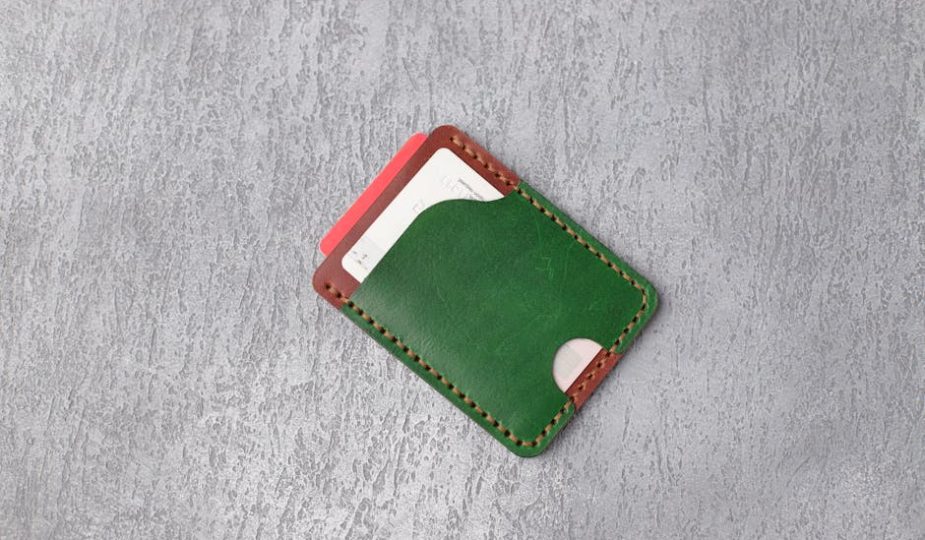
Are you still carrying that monstrosity of a wallet in your back pocket? The one that screams “I haven’t thought about my wallet in years”? I get it. For a long time, I was that person. My wallet was a lumpy, uncomfortable brick, crammed with receipts from 2018, loyalty cards for stores I’d visited once, and enough cash to fund a small revolution. It was a problem I didn’t even realize needed solving, but once I did, it changed my everyday carry for good.
I’ve gone through more wallets than I care to admit, from cheap department store bi-folds to ridiculously expensive designer options that fell apart faster than a house of cards. What I’ve learned through all those wasted dollars and uncomfortable commutes is this: most people are carrying the wrong wallet, and they don’t know what to look for in a good one. This isn’t about fashion trends; it’s about practical utility, comfort, and durability.
Why Your Current Wallet is Probably Wrong (And How I Fixed Mine)
Let me just say it: if you’re carrying a traditional, overstuffed bi-fold in your back pocket, you’re doing it wrong. I know, strong words, but hear me out. For years, I endured the constant discomfort, the awkward sitting posture, and the tell-tale bulge that made me look like I was smuggling a small rodent. It wasn’t until I started experiencing nagging lower back pain that I connected the dots. That uneven pressure from my wallet, day in and day out, was messing with my spine. It’s a common issue, often called “wallet sciatica,” and it’s entirely preventable.
My journey to a better wallet began out of necessity, not vanity. I needed something that would force me to carry less, sit flatter, and genuinely last. I’d bought so many wallets that promised durability, only to see stitching unravel or leather scuff beyond repair within months. The market is flooded with options, but very few deliver on their promises. I decided to become obsessive about finding the right one, researching materials, construction techniques, and real-world user experiences.
The Back-Pocket Bulge: More Than Just Uncomfortable
That thick lump you’re sitting on? It’s not just unsightly; it’s a genuine health concern. When you sit with an imbalanced pelvis, even slightly, it puts undue strain on your spine, hips, and sciatic nerve. Over time, this can lead to chronic pain, numbness, and even long-term postural issues. Trust me, a chiropractor will tell you to ditch the brick. The solution isn’t just moving your wallet to your front pocket (though that helps with pickpockets); it’s fundamentally reducing its bulk.
Beyond the physical discomfort, a bulky wallet signals a lack of organization. It’s a repository for clutter, making it harder to find what you need quickly. When you streamline your wallet, you streamline a small but significant part of your daily life. It’s a small habit change that yields surprisingly large benefits, from better posture to less stress when fumbling for your card at checkout.
Why Cheap Leather is a Trap
I’ve fallen for the “genuine leather” trap too many times. It sounds good, right? “Genuine” implies authenticity. But in the world of leather, “genuine” is often a marketing term for the lowest quality leather available. It’s typically made from multiple layers of low-grade leather scraps bonded together with adhesive, then painted or coated to look uniform. It delaminates, cracks, and wears out fast. You’ll buy one, it’ll look decent for a month, then quickly degrade, forcing you to buy another. It’s a false economy. I’ve learned that investing a bit more upfront in quality materials saves money and frustration in the long run.
What Actually Matters in a Wallet’s Construction
When you’re looking for a wallet that will actually last and perform, you need to ignore the flashy marketing and dig into the specifics of its construction. This is where the real value lies, and it’s where many wallets fail miserably. I’ve learned to scrutinize every detail, because small things make a huge difference in longevity and user experience.
Full-Grain Leather vs. Everything Else: A Durability Showdown
Forget “genuine leather.” If you’re going for leather, you want full-grain leather. This is the highest quality, most durable leather you can buy. It comes from the outermost layer of the hide, retaining its natural grain and imperfections. It develops a rich patina over time, telling a story of your use, rather than wearing out. It’s strong, resistant to moisture, and incredibly long-lasting. Yes, it costs more, but it’s a one-time purchase for a decade, not a yearly replacement.
- Top-grain leather: The second-highest grade. The outermost layer is sanded or buffed to remove imperfections, then sometimes stamped with a false grain. It’s still durable but lacks the strength and natural character of full-grain.
- Corrected-grain leather (often called “genuine leather”): Heavily processed. Significant defects are sanded away, then an artificial grain is stamped on. This is where most budget leather wallets fall.
- Bonded leather: The lowest quality. Scraps of leather are pulverized, mixed with a bonding agent, and pressed into a sheet. It looks and feels artificial, and it wears out almost immediately.
If leather isn’t your thing, look at modern synthetics. Materials like ripstop nylon (think outdoor gear), Cordura, or even advanced composites like Pioneer Carry’s 10XD fabric offer extreme durability, water resistance, and often a much slimmer profile than traditional leather. They don’t patina, but they also don’t scratch easily or absorb sweat.
Stitching, Lining, and Edges: The Unsung Heroes of Longevity
Beyond the material, the craftsmanship is critical. Good wallets use strong, consistent stitching – often saddle stitching or lock stitching with durable thread like nylon or polyester. Look for even, tight stitches. Loose or uneven stitching is a huge red flag.
Edges are another tell. Cheap wallets often leave raw edges or use a painted edge coat that cracks and peels off. Quality wallets either have burnished edges (polished and sealed with heat and wax for a smooth, durable finish) or folded edges, where the leather is expertly folded over and stitched. This prevents fraying and keeps the wallet looking good for years. A quality lining, if present, should be thin, durable, and securely stitched, not glued.
That RFID Blocking Feature? Here’s the Real Deal
Everyone talks about RFID blocking, and almost every wallet now boasts it. Here’s my take: it’s largely a non-issue for most people. While the technology exists for digital pickpocketing, actual instances are incredibly rare, especially for credit cards which have advanced security measures. Most modern credit cards use EMV chip technology for tap-to-pay, which generates a unique, single-use encrypted code for each transaction, making it extremely difficult to clone.
An RFID-blocking layer adds bulk to a wallet. For the vast majority, this feature is unnecessary marketing fluff. Prioritize slimness and durable construction over an RFID shield you likely don’t need. If you’re genuinely concerned, a simple aluminum card or a small metal wallet will do the job without overcomplicating things.
My Top Wallet Picks for Different Needs (2026 Edition)
After years of trial and error, these are the wallets I stand by. They represent different approaches to slimness and utility, but all prioritize quality and design that actually works. I’m not telling you to buy all of them, but one of these is probably the right fit for your specific needs.
| Wallet Model | Price (Approx.) | Capacity | Material | My Verdict for 2026 |
|---|---|---|---|---|
| Bellroy Note Sleeve | $90-105 | 4-11 cards, folded bills | Premium Leather | My Go-To for Balance: This is the wallet I recommend most often. It’s a perfect blend of traditional bi-fold functionality and modern slimness. It manages to hold a decent number of cards, plus full-size bills without folding them multiple times, all while keeping a surprisingly low profile. The pull-tab for infrequently used cards is genius. If you can only get one, get this. |
| Ridge Wallet | $85-150 | 1-12 cards, cash strap/clip | Aluminum, Titanium, Carbon Fiber | For the Ultra-Minimalist: This is a completely different beast. It’s a rigid plate system, incredibly durable, and forces extreme minimalism. If you primarily use cards and hate any sort of bulk, the Ridge is fantastic. The elastic holds cards securely. Just know that cash management can be a bit fiddly, and it’s not for everyone who carries a lot of physical money. |
| Trayvax Contour | $160-180 | Up to 13 cards, bills | CNC-machined Metal, Top-Grain Leather | When Durability is King: This wallet is built like a tank and looks like a piece of art. The combination of precision-machined metal and stitched leather is unique. It’s incredibly secure, and the bottle opener is a nice touch. It’s heavier than others, but if you value extreme ruggedness and a statement piece, the Contour is unmatched. It will outlive you. |
| Pioneer Carry Molecule | $55-70 | 4-8 cards, half-folded bills | 10XD Ripstop Nylon / DWR coating | Best for Modern Techwear & Durability: If you want something non-leather that’s virtually indestructible and super lightweight, the Molecule is it. Pioneer’s 10XD fabric is incredibly thin yet stronger than steel. It’s water-resistant and holds its shape perfectly. Ideal for active lifestyles or those who prefer a modern, technical aesthetic over traditional leather. The minimalist design is executed flawlessly. |
The Bellroy Note Sleeve: My Go-To for Balance
I’ve carried a Bellroy Note Sleeve off and on for years, and it keeps finding its way back into my pocket. It just hits that sweet spot. It doesn’t look like a “slim wallet” in the rigid sense, but its clever design keeps it remarkably thin even with several cards and bills. The quality of their leather is consistently excellent, and it ages beautifully. The internal hidden pocket for a spare key or emergency cash is a feature I appreciate more than I thought I would. It’s the perfect gateway for someone moving from a traditional wallet to something more streamlined.
Ridge Wallet: For the Ultra-Minimalist
The Ridge Wallet isn’t for everyone, but for those who love it, they really love it. It’s a system of two metal plates held together by elastic, allowing you to sandwich your cards. Cash is held by an external strap or clip. It takes some getting used to, especially if you’re accustomed to flipping open a leather wallet. However, its security, durability, and sheer lack of bulk are unparalleled. If your everyday carry is 90% card-based, this is a seriously compelling option. I prefer the carbon fiber version for its lightness.
Trayvax Contour: When Durability is King
The Trayvax Contour is a beast. It’s heavy, yes, but it feels utterly indestructible. The marriage of the CNC-machined stainless steel plate and the thick, saddle-stitched top-grain leather is unique. It’s a conversation starter, for sure. If you work outdoors, demand extreme ruggedness, or just appreciate over-engineered gear, the Contour is a fantastic choice. It’s not about being the absolute slimmest, but about being the toughest. You’ll probably pass this one down to your kids.
How to Declutter Your Wallet for Good

Buying a slim wallet is only half the battle. The other, equally crucial part is committing to keeping it slim. This isn’t a one-time purge; it’s a lifestyle change. I’ve developed a system that helps me maintain a minimalist wallet without feeling like I’m missing anything important. The goal is to carry what you need for the day, not everything you might need someday.
- The “Everyday Carry” vs. “Occasionally Needed” Rule: Separate your cards into two categories. Your everyday carry includes your primary debit/credit card, ID, and perhaps one essential loyalty card. Everything else (secondary credit cards, less-used loyalty cards, gift cards, insurance cards) belongs in a separate card sleeve or a digital wallet app on your phone. Keep these at home or in your car, only bringing them out when specifically needed.
- Scan and Digitize Loyalty Cards: Most loyalty programs now have digital versions or apps. If they don’t, use an app like Stocard or Key Ring to scan your physical cards and keep them on your phone. This frees up precious wallet space. Very few places still require a physical card for points.
- Receipt Purge: This is a big one. Unless it’s a business expense, a major purchase you might return, or something you absolutely need for taxes, toss the receipt immediately. Or, better yet, ask for an emailed receipt. That crumpled wad of paper adds more bulk than you realize. I go through my wallet nightly, specifically for receipts.
- Cash Management: Carry only what you realistically expect to spend. For me, that’s usually $20-$40. If I need more, I hit an ATM. Large denominations of cash just take up space and scream for attention. Most places accept cards anyway.
- Regular Review: Make it a habit to clean out your wallet once a week. Take everything out, evaluate each item, and put back only what’s essential. You’ll be surprised what accumulates in just a few days. This routine keeps the clutter from building up again.
The Single Most Important Wallet Feature You’re Overlooking
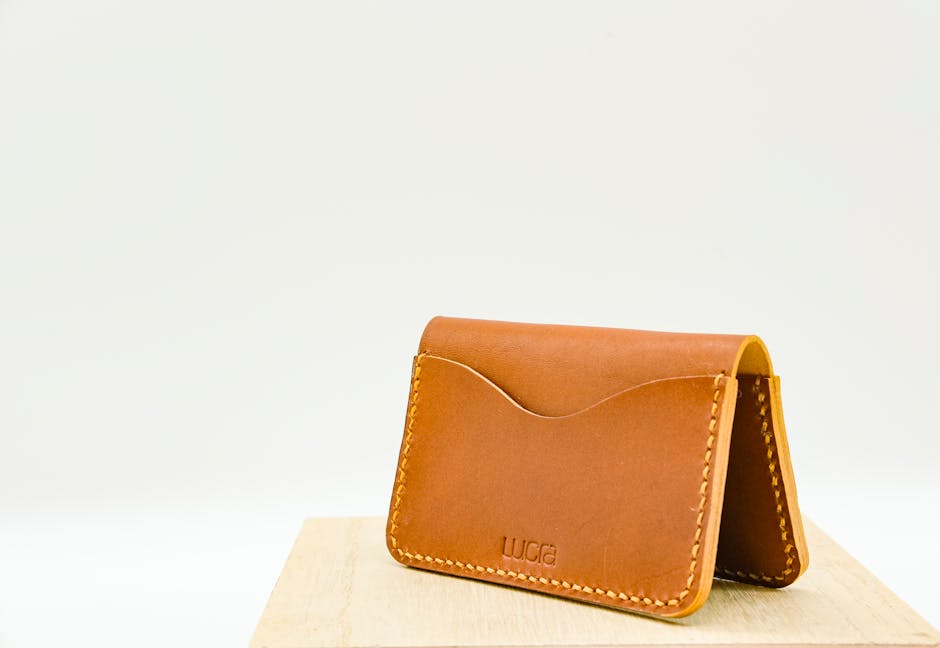
After all the talk about leather grades, stitching, and card capacities, here’s the real kicker: the most important feature of any wallet is how it feels to you. It’s about comfort, accessibility, and how seamlessly it integrates into your daily life. It doesn’t matter how expensive or highly-rated a wallet is if it doesn’t make your life easier. Find one that clicks with your personal style of carrying and your genuine needs. Everything else is just details.