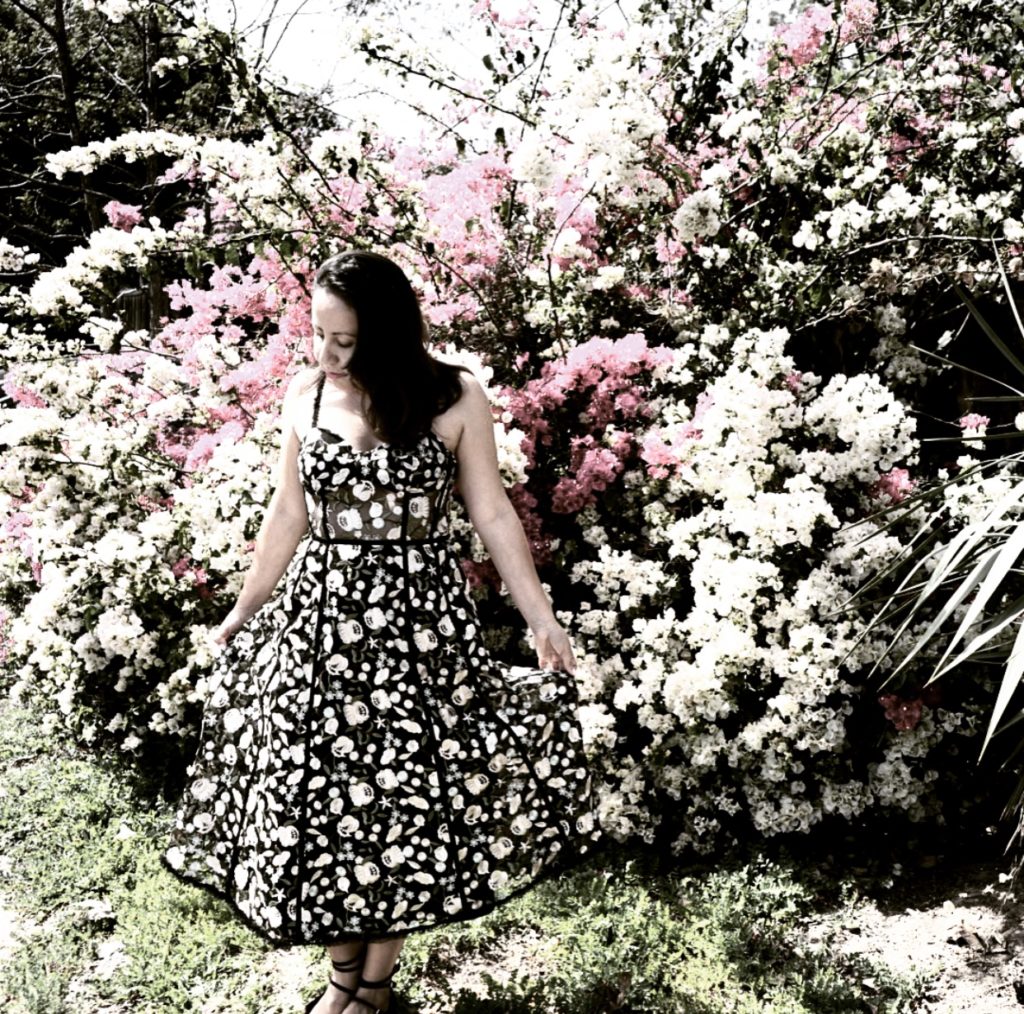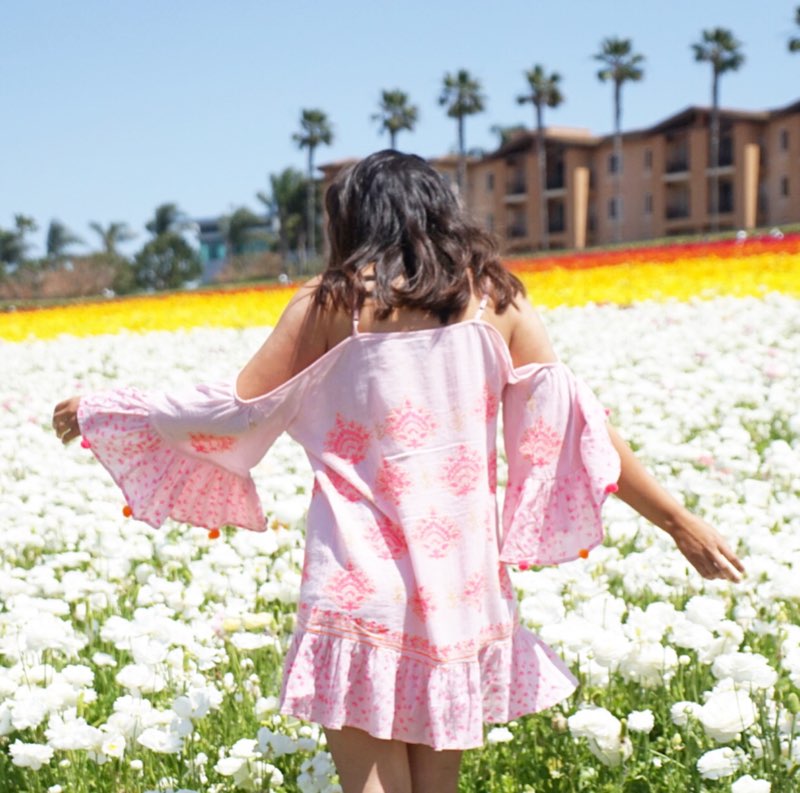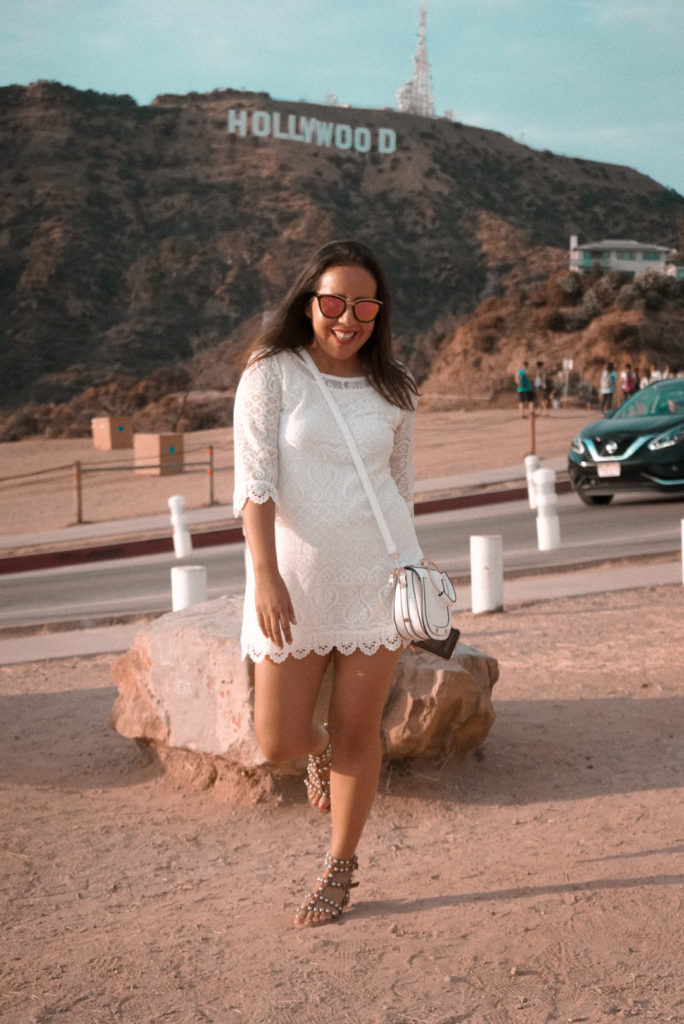
Cobalt coats, tangerine trousers, cherry-red bags: bold color gives familiar clothes a different energy. You can wear it across a whole outfit or let a single bright accessory interrupt your usual navy, grey, or cream. The appeal of the color rush is that you decide how much of it to bring into your wardrobe.
For 2024, approach bright dressing as a styling option rather than a shopping assignment. Start with the clothes you already enjoy wearing, then find a shade that makes those pieces feel fresh. There is no need to replace a useful neutral wardrobe to take part.
Why Bold Color Has Lasting Appeal
A bright piece creates an immediate focal point. A blue bag can sharpen a simple shirt-and-trousers combination; a pink knit can lift an otherwise understated winter outfit. That visual impact does not depend on the piece being new or belonging to a particular designer.
Valentino’s 2022 Pink PP collection offered a memorable example of dressing around one saturated shade. Its useful lesson extends beyond that particular pink: repeating a color can make a strong statement feel cohesive. You can borrow the approach with a matching set, a dress, or separates in related tones.
Still, color does not have to communicate confidence or any other personality trait. Wear it because you like the effect. If an electric shade feels distracting, a deeper or softer version may give you the contrast you want while feeling more natural.
Six Colors to Try in Your Own Way
There is no universal ranking of wearable colors. Your existing clothes, preferred contrast, and comfort matter more than a rule about complexion. Hold different shades near your face in daylight and notice which effects you enjoy. Accessories also let you wear a color away from your face.
Cobalt Blue
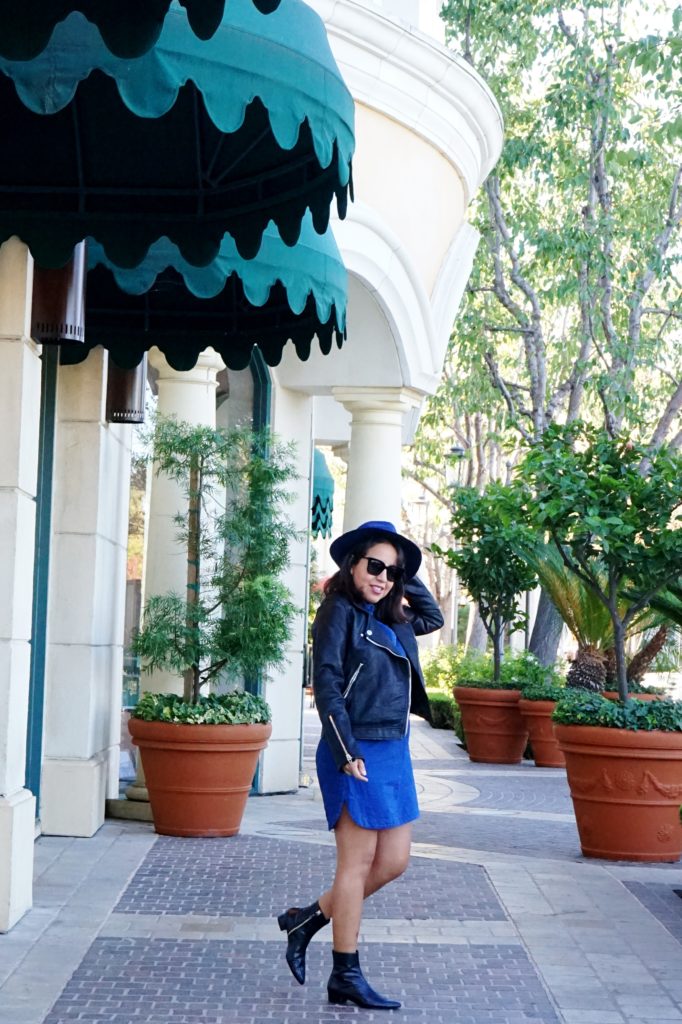
Cobalt is an easy starting point if you already wear denim or navy. Try a blue bag with cream trousers, or a cobalt knit with dark jeans. Check the shade carefully: royal blue, cobalt, and blue-purple can look similar in photographs but create different effects together.
Tangerine
Tangerine brings warmth to white, chocolate brown, and dark denim. A relaxed shirt or scarf offers an approachable introduction. If bright orange feels too sharp, try a rustier shade. Choose fabric for its drape, comfort, and finish rather than assuming orange belongs to one material.
Cherry Red
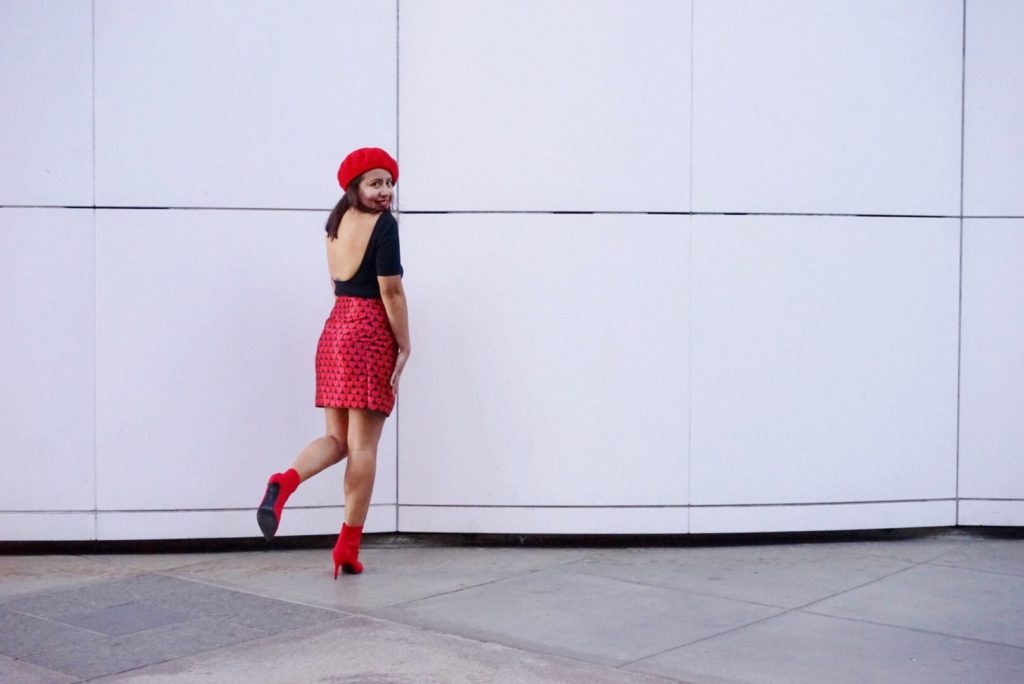
Red loafers or a small bag can give an everyday outfit a clear point of interest. Pair cherry red with grey for a restrained combination, or pink for a more expressive one. Red and pink can work beautifully together; vary their proportions until the balance feels right.
Hot Pink and Magenta
A magenta sweater works with charcoal trousers, while a hot-pink shirt can brighten faded denim. Compare a warmer pink with a cooler, purple-leaning version before choosing. You may prefer a soft, matte fabric that tempers the brightness, or a smooth finish that emphasizes it.
Yellow
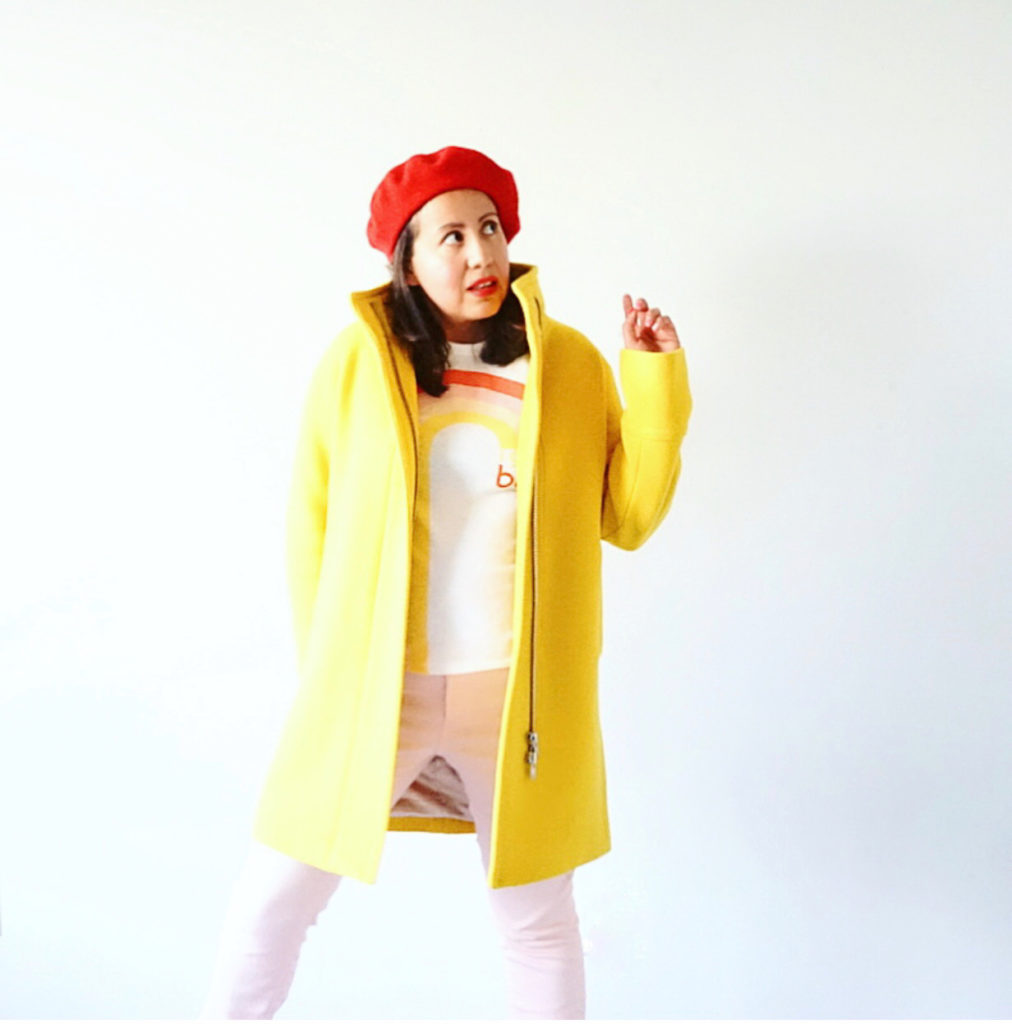
Butter yellow and acid yellow offer quite different moods. Butter yellow gives a gentler contrast with navy or brown; acid yellow creates a sharper accent. A scarf, bag, or sandal lets you experiment without committing to a large block of color.
Lime Green
Lime can be striking against charcoal, indigo, or white. Start with a belt or a glimpse of a top beneath a jacket if you prefer a small accent. For a larger statement, keep the silhouette familiar: a simple lime shirt is easier to integrate when you already like wearing that shape.
Build an Outfit Around What You Own
Give One Piece the Lead
Choose a bright item and put it into an outfit you already wear. A cobalt bag might accompany your navy blazer and cream trousers; red shoes might finish jeans and a white shirt. Keeping the shape familiar helps you judge the color without changing everything at once.
Accessories are useful experiments, but clothing can be equally straightforward. If you live in button-down shirts, a bright shirt may get more wear than a small statement bag. Start with the kind of item that fits your routine.
Try a Single Color Family
A matching suit or coordinated separates can simplify bold dressing. The pieces do not need to match exactly: a deep-blue trouser with a brighter blue knit creates variation within one family. Compare them together in daylight to see whether the difference looks deliberate.
Use Color Pairings as Starting Points
Combining warm shades or cool shades can help you build a palette, but matching undertones is not a requirement. Contrasts can be appealing too. Try tangerine with pink, cobalt with red, or lime with blue. Let one color occupy more space if equal amounts feel busy.
Check These Details Before Buying
- Picture specific outfits. Identify clothes, shoes, and outerwear you already own that could work with the piece.
- Inspect the finish. Check seams, lining, opacity, and how the fabric hangs. A strong color should come in a garment you find comfortable and well made.
- Compare photographs. Retail images, screens, and lighting can alter a shade’s appearance. Customer photographs may offer another perspective, but they cannot guarantee an exact match.
- Check the return policy. If the color looks different when it arrives, try it with your own clothes before deciding whether to keep it.
Multiple bright accessories are an option, too. Matching red shoes and a red bag can look intentional. If the combination feels overly coordinated to you, remove one element or vary the shades. The goal is an outfit you enjoy wearing, not compliance with a fixed limit.
Make Bold Pieces Work Beyond One Season
Choose pieces for your actual climate and schedule. A lightweight bright shirt can work alone in warm weather and beneath a knit later. A colorful scarf may be more useful than a statement coat if you want flexibility. Price and designer recognition do not guarantee that an item will earn a place in your routine.
Follow the care label rather than applying one washing method to every bright garment. Where the instructions allow washing, keep new strongly colored items separate initially and avoid leaving damp garments pressed against other fabrics. Follow the maker’s guidance for bags and shoes as well.
You can also keep your wardrobe mostly neutral. A bright detail is enough, and there is no obligation to add one at all. The most useful version of the color rush is personal: a shade you like, in a shape you wear, paired with clothes that already feel like yours.