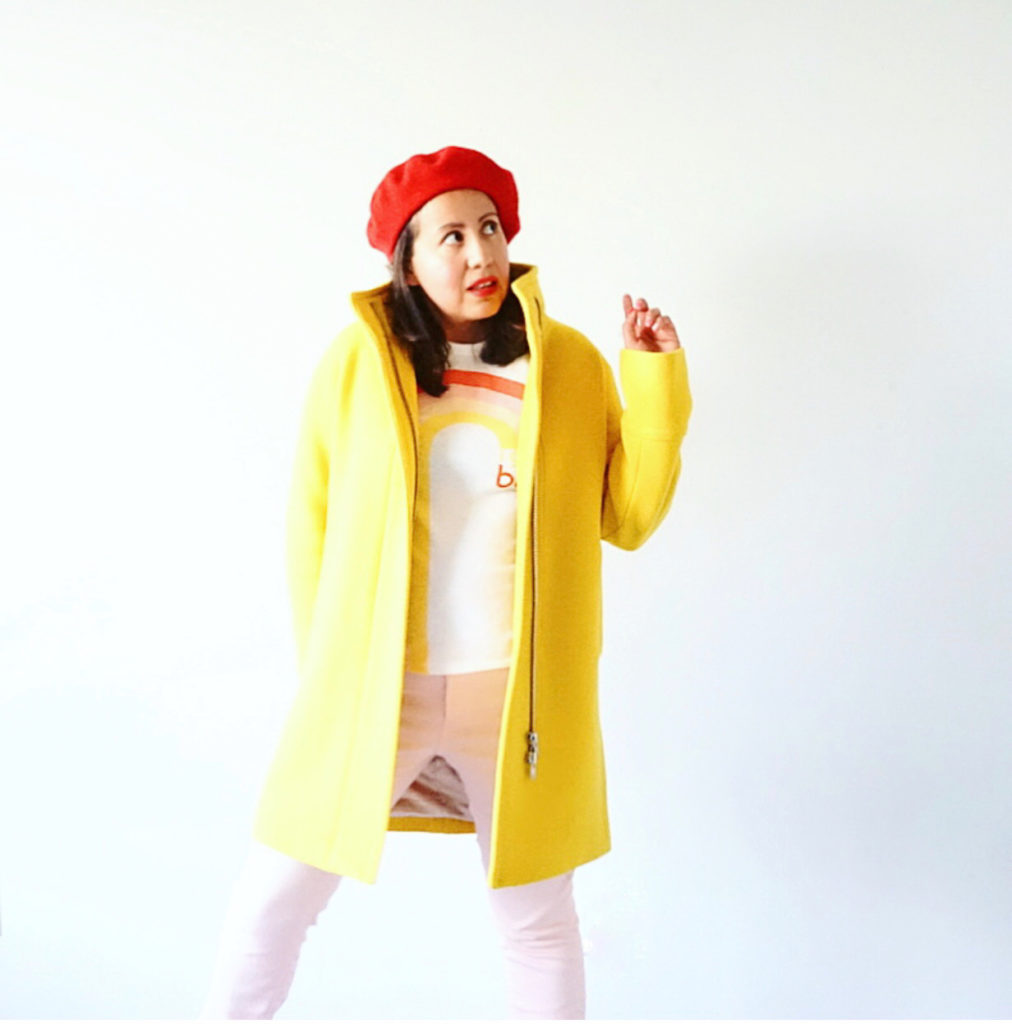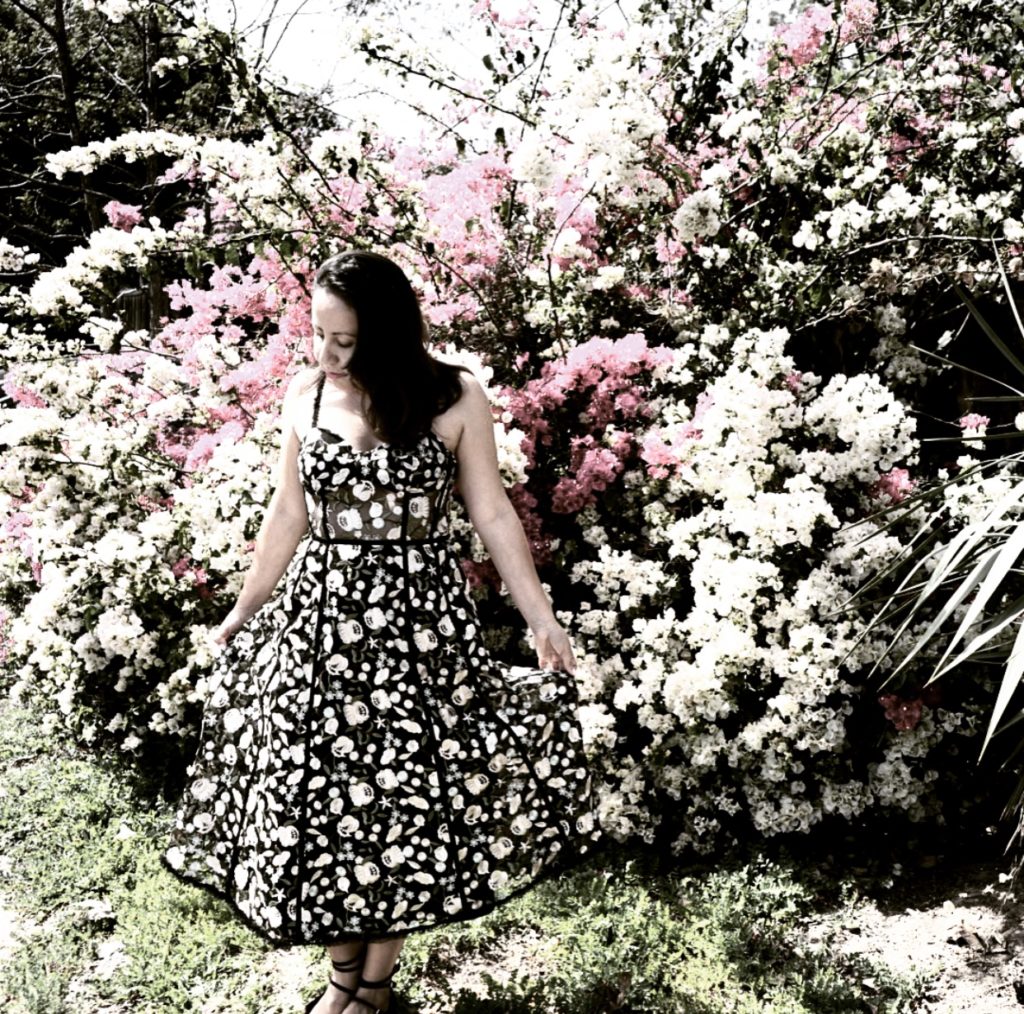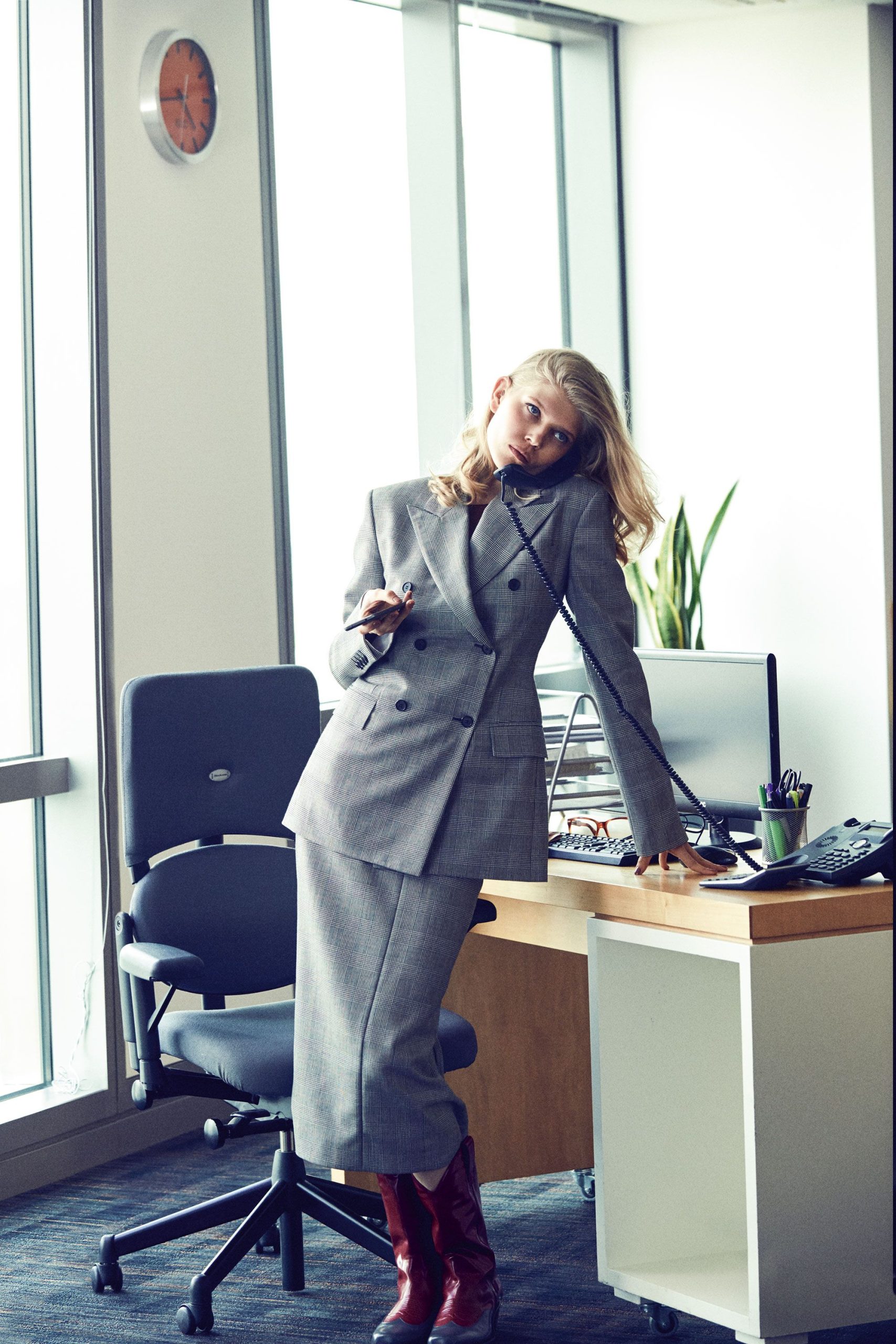
Have you ever arrived at work feeling dressed for a different occasion from everyone else? A sharp suit can feel excessive in a relaxed studio, while faded joggers may feel out of place at a client meeting. Workplace fashion makes a difference because clothes help you navigate the setting and feel prepared for your day. The useful question is not how to look expensive, but how to look considered without spending the afternoon adjusting your waistband.
Your outfit cannot replace good work, and nobody’s ability should be judged by a label or a fashionable silhouette. Still, choosing clothes that suit your responsibilities can remove small distractions and make everyday introductions easier. A practical work wardrobe starts with understanding your environment, then balancing fit, comfort and personal style.

Read the room before choosing the outfit
Start with your workplace’s written dress code, including any rules about footwear, uniforms or protective clothing. Then notice what people wear when doing work similar to yours. An office may be relaxed on ordinary days but more formal for presentations. A job involving standing, lifting or working around equipment needs clothing chosen for those tasks before anything else.
If you are starting a new role, ask for examples of what “business casual” means there. That phrase might describe tailored trousers and a shirt in one office, or dark jeans and a neat knit in another. For an uncertain first day, simple separates with a removable jacket give you room to adjust. Keep your shoes suitable for the journey as well as the destination.
What your clothes can communicate
Clothing provides visual cues, although people interpret them differently. Clean shoes, a smooth collar and a repaired hem can suggest that you have taken care with your appearance. None of those details requires a designer purchase. A well-maintained shirt you already own is often more useful than a new jacket that pulls across the shoulders.
Think about the situations on your calendar. Leading a presentation might call for a jacket with a clear shoulder line; a day spent moving between desks may suit a soft cardigan. The goal is to make your clothes support the interaction. If you constantly tug down a top or worry about a slipping neckline, that piece is probably better saved for another setting.
Build three dependable outfit formulas
Workwear has expanded beyond the traditional matching suit in many workplaces, but having a formula still makes mornings easier. Begin with a few combinations that fit your office, rather than trying to create a completely different look every day.
- For a formal office: wear tailored trousers with a tucked-in shirt or fine-gauge knit, a coordinating blazer and polished loafers or closed-toe flats. A midi skirt can replace the trousers if you prefer; check that you can sit and walk comfortably.
- For business casual: pair straight-leg chinos or ankle-length trousers with a cotton shirt, then add a cardigan or unstructured jacket. Choose shoes with a secure fit and enough cushioning for your usual walking.
- For a relaxed workplace: try dark, undamaged jeans with a plain top and an overshirt or knit jacket. Clean trainers can work where permitted. Keep the neckline, hem and overall fit tidy so the combination feels intentional.
Choose two base colours, such as navy and grey or black and beige, and add tops that work with both. This gives you more combinations from fewer pieces. A patterned blouse, textured knit or coloured sock can bring personality without making every item compete for attention.
Put fit and fabric ahead of the label
Branding is less useful than knowing how a garment behaves. Before buying, sit down, reach forward and walk around in it. Shirt buttons should stay closed without straining, jacket sleeves should allow movement, and trouser pockets should lie reasonably flat. Check light-coloured fabrics in good light and with the underwear you would actually wear.
Fabric choice matters throughout a working day. Cotton shirts can feel crisp but may need ironing. Linen offers an airy feel and naturally wrinkles, which may suit a relaxed office better than a formal one. Lightweight wool trousers can provide a neat drape, while cotton-rich knits offer a softer alternative to a shirt. Check each garment’s care label before committing to a routine you will not maintain.
A little stretch can make seated work more comfortable, but try bending your knees and elbows to check recovery. Thin jersey may cling or reveal seams underneath; a more substantial knit can give a smoother finish. Avoid judging fabric by touch alone: inspect stitching, seams and transparency too.
Make layers work through changing temperatures
A cold meeting room and a warm commute can demand different things from one outfit. Build with removable layers: a breathable base, a cardigan or light jacket, and outerwear appropriate for the weather. Make sure the base layer is something you are comfortable wearing on its own.
A simple vest or sleeveless knit can add warmth without bulky sleeves. Choose a shape that fits beneath your coat and does not bunch when seated. If your day continues into dinner, you might remove an overshirt, switch a work tote for a smaller bag or add earrings. There is no need to build an entirely separate evening wardrobe around an ordinary weekday.
Use grooming as a simple finishing routine
A polished appearance does not require makeup, elaborate hair or a particular beauty standard. Choose a short routine that helps you feel comfortable. That might mean brushing your hair, moisturising dry hands and checking for lint before leaving. Keep nails at a length that works with your tasks, and secure hair when safety or hygiene rules require it.
If you enjoy makeup, apply light layers and check the result in daylight. Let skincare settle before applying foundation, blend around the jaw and use a little powder only where you want to reduce shine. A tinted lip balm or familiar lipstick can be easier to maintain than a look that needs frequent touch-ups. Follow any fragrance restrictions and remember that scent can carry in shared spaces.
Let preparation take pressure off your morning
Dressing well can help you feel ready, but confidence is personal: one person feels settled in a blazer, another in comfortable, carefully chosen separates. Notice which outfits let you concentrate on your work. Repeat them freely. There is no professional requirement to surprise your colleagues with something new every morning.
Before bed, check the next day’s weather and schedule, then set out a complete outfit, including socks and shoes. Steam or iron items according to their care instructions, remove visible lint and check for loose buttons. Keep a small repair kit at home and deal with stains promptly using the garment’s recommended care method.
Does what you wear make a difference? It can make the day smoother when your clothing fits your workplace, your body and your routine. Start with one dependable outfit, identify what makes it comfortable, and build from there. Personal style has room to grow within a practical wardrobe, whether your finishing touch is a colourful knit, a favourite watch or simply shoes you can walk in.