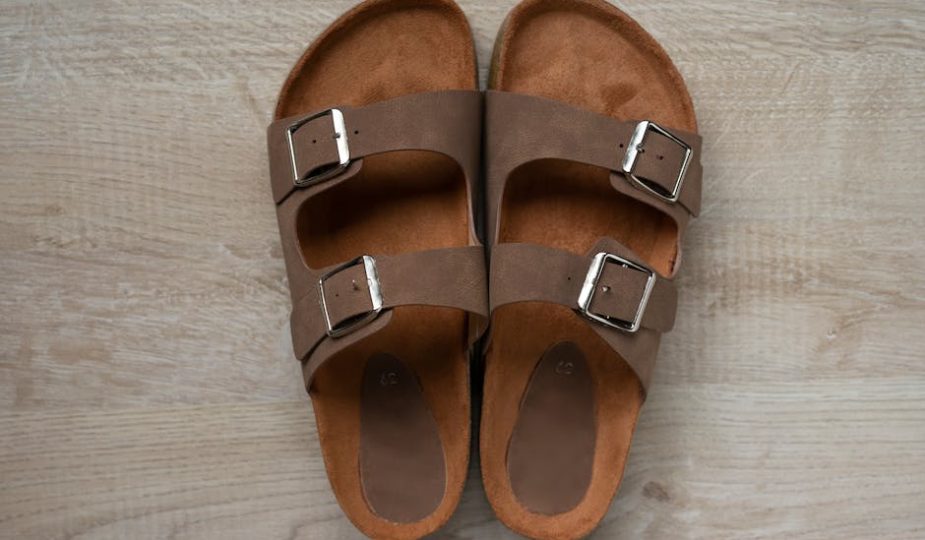
Stepping out of the hospital after hip replacement surgery brings a mix of relief and anticipation. You’re regaining mobility, but everyday tasks, like choosing footwear, suddenly feel complex. Your balance may be different. Your range of motion limited. The wrong sandals can hinder recovery, cause pain, or even lead to a fall. Selecting the right pair is not just about comfort; it’s about protecting your new hip and supporting your entire body as you heal.
This guide cuts through the noise. We’ll identify what truly matters in post-surgery sandals. From essential features to specific recommendations, you’ll know exactly what to look for.
Understanding Your Post-Surgery Footwear Needs
Your body undergoes significant changes after hip replacement surgery. The way you walk, stand, and balance is affected. Your footwear must accommodate these changes, providing stability and minimizing stress on your new joint. This isn’t just about avoiding pain; it’s about fostering proper gait mechanics and preventing complications during your critical recovery period.
The goal is to provide a stable foundation. This foundation helps distribute weight evenly and reduces the impact on your hips, knees, and spine. Good sandals can improve your confidence when walking, allowing you to focus on rehabilitation exercises rather than worrying about slips or discomfort.
Why Stability is
Post-hip surgery, your muscles around the hip are healing. They might not offer the same level of support or quick reaction time they once did. A stable sandal, with a wide base and secure fit, prevents your foot from wobbling. This direct support translates up the kinetic chain to your hip joint. It means less compensatory movement and reduced strain. Look for outsoles that are flat and broad, not tapered or rounded. The footbed should cradle your foot, not let it slide around.
The Role of Arch Support and Cushioning
Proper arch support is crucial. It helps maintain foot alignment, which in turn aligns the ankle, knee, and hip. Without it, your foot can pronate or supinate excessively, twisting the leg internally or externally and putting undue stress on your recovering hip. Cushioning, on the other hand, absorbs shock. Every step sends impact forces through your body. Adequate cushioning, often made from EVA foam or similar materials, can significantly dampen these forces, protecting your joints from repetitive trauma. However, too much squishy cushioning can paradoxically reduce stability. It’s about finding the right balance: supportive cushioning, not excessive softness.
Considering Ease of Use and Adjustability
Bending, reaching, and fine motor skills can be challenging after hip surgery. Sandals with simple closures are key. Velcro straps are often ideal because they are easy to manipulate without excessive bending. They also allow for quick adjustments to accommodate swelling, which is common in the feet and ankles during recovery. Avoid intricate buckles, laces, or anything that requires significant dexterity. The goal is to get your shoes on and off independently and safely.
Mistakes to Avoid When Buying Post-Op Sandals

- Choosing Slippery Soles: Many fashion sandals have smooth, untextured outsoles. These are a major fall hazard, especially on polished floors or wet surfaces. Always check for deep treads and non-slip rubber compounds.
- Opting for High Heels or Wedges: Even a slight heel can alter your center of gravity and put increased pressure on your forefoot and hip. Flat or very low-heeled sandals (under 1 inch) are essential for maintaining balance and proper posture.
- Ignoring Arch Support: Flip-flops or completely flat sandals offer no support. This can lead to overpronation, stressing your knees and hips. Even for short distances, supportive footwear is non-negotiable.
- Picking Open-Backed or Loose Styles: Sandals that don’t secure firmly to your foot, like backless slides, increase the risk of your foot slipping out. Look for sandals with a backstrap or full enclosure to ensure your foot stays put.
- Buying Without Trying (If Possible): Foot shape, swelling, and individual comfort vary greatly. If buying online, ensure a flexible return policy. Ideally, try them on at a store to assess fit, stability, and ease of donning/doffing.
- Prioritizing Fashion Over Function: While you might want to feel stylish, recovery is a short, critical window. Function, safety, and support must come first. There are stylish options that meet the safety criteria, but never compromise safety for looks alone.
Key Features: What Makes a Sandal ‘Hip-Friendly’
- Wide, Stable Base: The sole should be broader than your foot for maximum ground contact. This prevents ankle rolls and improves overall stability.
- Low Heel Height: A heel-to-toe drop of zero to minimal (under 1 inch) is ideal. This promotes a natural gait and reduces pressure on the hip joint.
- Excellent Arch Support: Contoured footbeds that match the natural curve of your arch provide essential alignment and comfort.
- Adjustable Straps: Velcro or easily adjustable straps allow for a custom, secure fit and accommodate daily swelling variations.
- Non-Slip Outsole: Deeply textured rubber outsoles with good grip are critical for preventing falls on various surfaces.
- Secure Fit (Closed Back or Backstrap): The sandal must stay firmly attached to your foot. Backstraps, ankle straps, or closed-back designs are preferred over backless slides.
- Lightweight Construction: Heavier shoes require more effort to lift, which can be tiring and increase the risk of tripping, especially when your leg muscles are weakened.
- Shock Absorption: Materials like EVA foam in the midsole absorb impact, protecting joints during walking.
- Rigid Midfoot: The sandal should not twist or bend easily in the middle. A firm shank provides critical stability.
Top Recommended Sandals for Initial Recovery

For immediate post-operative recovery, the priority is absolute stability and cushioning with minimal effort to wear. My top recommendation for this critical phase is the Oofos OOriginal Sandal or the Oofos OOahh Slide. They excel in shock absorption and ease of use, making them ideal when bending and fine motor skills are still limited.
These sandals feature proprietary OOfoam technology. This material absorbs 37% more impact than traditional footwear foam. This means less stress on your feet, knees, and, crucially, your hips. The anatomically designed footbed provides excellent arch support, which helps align your body from the ground up. The OOriginal sandal has a thong style, but the material is soft and flexible, less likely to irritate. The OOahh Slide offers a convenient slip-on style without a backstrap, making it incredibly easy to don, provided you have good balance. Both models are lightweight and have a very low heel-to-toe drop, promoting a natural gait. The outsoles offer decent traction for indoor and dry outdoor surfaces, but they aren’t designed for aggressive off-road use. They come in a wide range of sizes and are machine washable, a practical feature during recovery.
Why Oofos Excels for Early Post-Op
The primary advantage of Oofos is its unparalleled impact absorption. This cushioning reduces the jarring effect of walking, which is highly beneficial for a healing hip joint. Their simple slip-on design means you avoid bending or struggling with closures. This makes them perfect for those first few weeks where mobility is still restricted. The contoured footbed also provides a gentle cradle, offering support without being overly rigid, which can be uncomfortable for some during initial recovery.
Considerations for Long-Term Use
While Oofos are excellent for initial recovery, some individuals might seek more structural support or different aesthetics for longer-term use. Their plush cushioning can sometimes feel less stable for extensive walking once more active rehabilitation begins. For everyday wear post-recovery, or for those needing more structured support from day one, options like certain Vionic or Birkenstock models may be considered as you progress. However, for that immediate, delicate period, Oofos remains a standout for its therapeutic benefits and ease of use.
Comparison Table: Popular Post-Op Sandal Brands
| Brand/Model | Key Feature | Heel Height | Arch Support | Stability | Ease of Wear |
|---|---|---|---|---|---|
| Oofos OOriginal/OOahh | Superior shock absorption (OOfoam) | Flat (0.5″ platform) | Excellent contoured | Good (Plush feel) | Excellent (Slip-on) |
| Vionic Kirra/Amber | Podiatrist-designed orthotic support | Low (0.75-1.25″) | Excellent firm | Very Good | Good (Velcro adjustable) |
| Birkenstock Arizona EVA | Lightweight EVA version of classic | Flat (0.5″) | Good (Classic contoured) | Good | Fair (Buckle, but lightweight) |
| Hoka Ora Recovery Slide | Maximal cushioning, rocker geometry | Low (1.1″ heel) | Good contoured | Very Good (Wide base) | Excellent (Slip-on) |
| Crocs Classic Clog | Lightweight, roomy, easy to clean | Low (0.8″) | Moderate built-in | Moderate | Excellent (Slip-on, heel strap optional) |
Each of these brands offers distinct advantages. Oofos and Hoka focus heavily on recovery-oriented cushioning. Vionic provides robust orthotic support. Birkenstock’s EVA models offer their classic footbed in a lighter, water-friendly package. Crocs are known for their roomy fit and simplicity. The right choice depends on your specific needs and how far along you are in your recovery. For maximum stability and structured support, Vionic often leads. For pure impact absorption and ease of use, Oofos and Hoka are hard to beat.
Addressing Common Concerns: FAQs About Recovery Footwear

Should I wear slippers instead of sandals inside?
Slippers can be an option, but many lack the necessary support and stability. Soft, backless slippers can be a fall risk. If choosing slippers, ensure they have a firm, non-slip sole, a secure back, and good arch support. A sandal that meets these criteria often performs better than a typical slipper for post-hip replacement recovery, even indoors. The goal is consistent support, regardless of whether it’s called a slipper or a sandal.
How important is a backstrap on my sandals?
A backstrap is highly important, especially in the early stages of recovery. It keeps the sandal firmly attached to your foot, preventing accidental slips or falls. Your foot will not have to work to keep the sandal on, reducing fatigue and improving your gait. For instance, the Vionic Kirra with its multiple adjustable straps offers superior security compared to a simple slide. As your balance and strength improve, you might transition to slides for very short, safe indoor trips, but for most walking, a secured foot is crucial.
Can I wear my old favorite sandals after surgery?
Likely no, at least not initially. Most fashion sandals lack the specific features required for post-hip replacement safety and comfort. High heels, flimsy straps, slippery soles, and lack of arch support are common in regular sandals. Your body needs a period of careful rehabilitation. Wearing inappropriate footwear risks re-injury or falls. Prioritize your recovery over fashion trends during this critical time. Over time, as your doctor or physical therapist clears you, you may be able to slowly reintroduce some previous styles, but always with caution and expert guidance.
What if my feet swell?
Swelling is common after surgery. This is where adjustable straps are vital. Sandals like the Vionic Amber, with its multiple hook-and-loop closures, allow you to loosen or tighten the fit throughout the day. This adaptability ensures comfort and prevents straps from digging into your skin. Look for materials that are also forgiving and not overly rigid, which can become uncomfortable if swelling occurs.
The Verdict on Post-Hip Replacement Sandals
Choosing the right sandals after hip replacement surgery is a critical step in a safe and successful recovery. Prioritize stability, strong arch support, non-slip soles, and ease of wear above all else. The right footwear provides confidence, protects your new joint, and helps you rebuild strength without unnecessary risks.