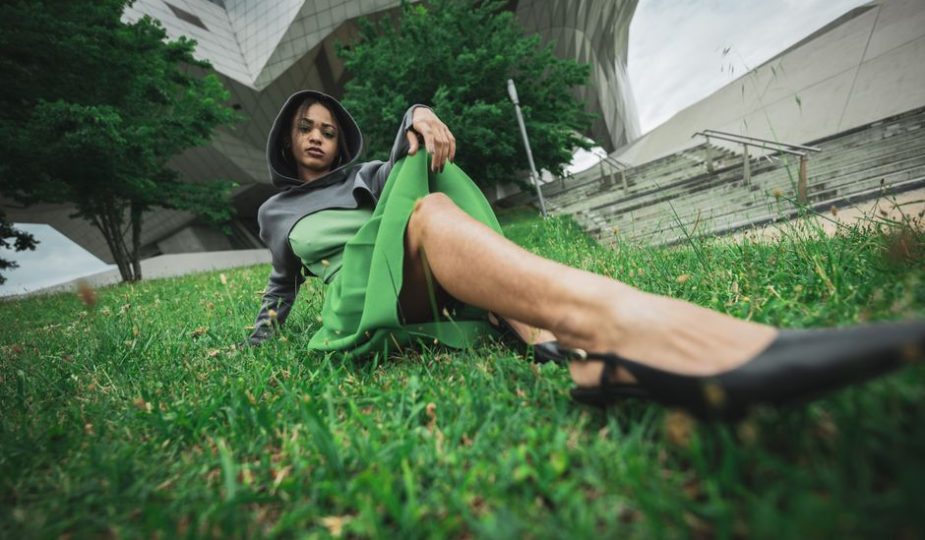
You walk into a store. You see a jacket you love. The fabric feels right. The color is perfect. You check the tag: sizes XS through XL. You wear a 3X. You put the jacket back on the rack and walk out. That scene plays out millions of times a day. It’s not about trends. It’s about access.
For decades, the fashion industry treated anyone above a size 12 as an afterthought. But something shifted. The market spoke, and brands started listening. This isn’t a feel-good story. It’s a business reality. The plus-size apparel market is worth over $240 billion globally, and it’s growing faster than straight-size apparel. Here’s what inclusive sizing actually means, why it matters, and how to navigate a landscape that’s still far from perfect.
The Real Cost of Limited Sizing
When a brand stops at XL, they aren’t just excluding customers. They’re signaling that certain bodies don’t belong in their clothes. That has real consequences.
A 2026 study by the Journal of Fashion Marketing found that 67% of women above size 14 report feeling frustrated or angry when shopping for clothes. 42% say they avoid shopping altogether because of poor fit. That’s not a niche problem — that’s millions of people with money to spend, walking away.
The financial cost is clear. Brands that ignore this market are leaving billions on the table. But the human cost matters just as much. Clothes aren’t just fabric. They affect how you feel, how you present yourself, how you move through the world. When you can’t find clothes that fit, it chips away at something deeper.
What “One Size Fits All” Actually Means
It means “one size fits some.” Most “one size” garments fit roughly a size 6-10. If you’re outside that range, you’re out of luck. That’s not inclusive — it’s lazy design.
The Vanity Sizing Trap
Some brands slap “plus size” labels on garments that are barely cut wider. A size 20 from one store might fit like a size 16 from another. That’s not inclusive sizing. That’s a sizing chart that lies. Real inclusive sizing means consistent, accurate measurements across the size range, not just adding inches to the side seams.
What Inclusive Sizing Actually Looks Like
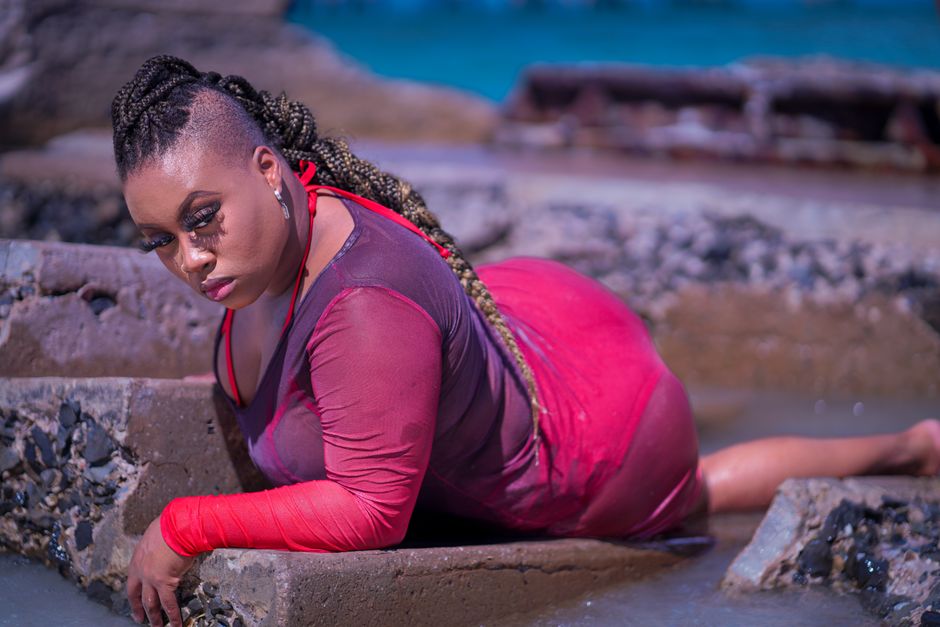
Inclusive sizing isn’t just about offering more sizes. It’s about designing for those sizes from the start. That means different proportions, not just scaled-up versions of a size 8 pattern.
Here’s the difference. A size 4 dress and a size 24 dress have different proportions. The bust-to-waist ratio changes. The armhole depth changes. The shoulder slope changes. When a brand grades up a pattern without adjusting these proportions, the size 24 version fits like a tent — too loose in some places, too tight in others.
Brands that do it right, like Universal Standard (sizes 00-40) and Madewell (now offering sizes up to 3X in select styles), build separate blocks for different size ranges. They test on real bodies. They adjust the fit based on feedback. It costs more to produce, but the payoff is customer loyalty that straight-size brands can only dream of.
Grading vs. True Fit Design
Grading is mathematical scaling. True fit design is sculptural. It treats each size as its own garment. That’s the difference between something that looks like a sack and something that looks like it was made for you.
Why Brands Are Finally Changing
It’s not altruism. It’s economics.
The average American woman wears a size 16-18. That’s the median, not the outlier. Yet for years, the industry acted like size 8 was normal and everything else was a special order. That disconnect became unsustainable.
In 2026, Nike expanded its plus-size collection to include more performance wear after seeing a 30% increase in demand. Reformation launched extended sizing up to 3X in 2026 and reported that extended-size customers had a 40% higher repeat purchase rate than straight-size customers. ASOS now carries over 4,000 styles in sizes 18-26 across its ASOS Curve line.
These aren’t charity moves. These are profit-driven decisions backed by data. The early adopters are seeing returns. The holdouts are losing market share.
The Social Media Pressure Factor
Instagram and TikTok made it impossible to hide. When a brand launches a new collection and only shows size 2 models, the comments section lights up. Consumers have more power than ever to call out exclusion. Brands that ignore that do so at their own risk.
How Inclusive Sizing Compares Across Major Brands
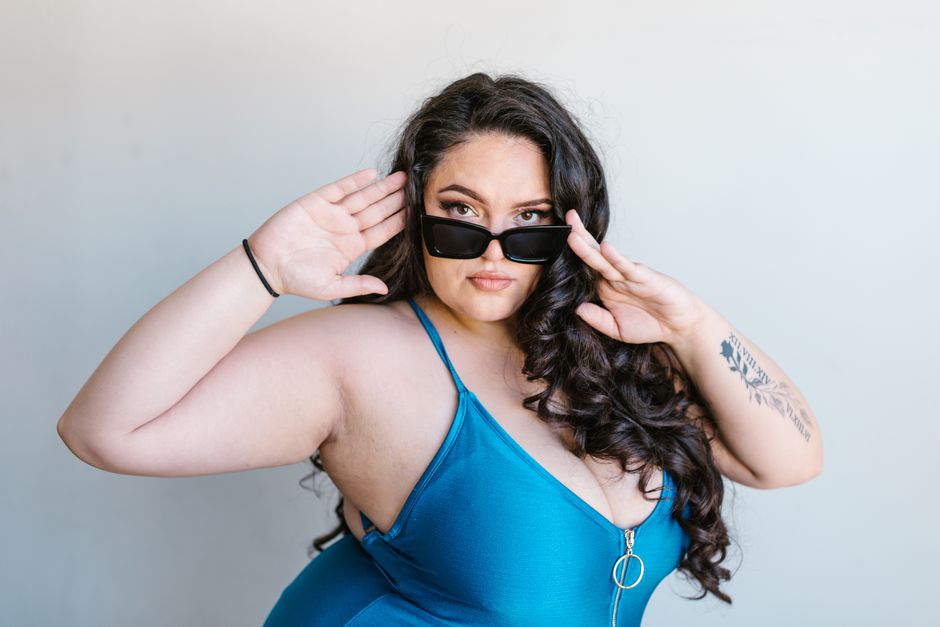
Not all extended sizing is created equal. Here’s a snapshot of where major brands stand as of 2026.
| Brand | Size Range | Fit Quality | Price for Size 20 Dress |
|---|---|---|---|
| Universal Standard | 00-40 | Excellent — dedicated fit blocks | $98-$148 |
| Madewell | XXS-3X (select styles) | Good — consistent across range | $80-$120 |
| Gap | XXS-3X | Fair — some styles fit boxy | $50-$70 |
| Nike | XS-3X (select lines) | Good — athletic fit runs roomy | $65-$90 |
| Reformation | XS-3X | Variable — some cuts flatter, some don’t | $128-$198 |
Universal Standard wins on consistency. They design every garment from scratch for each size range. Madewell is a solid middle ground — not perfect, but improving every season. Gap offers affordability but sacrifices fit precision. If you’re shopping on a budget, Gap is fine for basics. If you want a dress that actually fits your curves, Universal Standard is worth the extra money.
The Problem Most Brands Still Get Wrong
Here’s the dirty secret of “extended sizing.” Many brands still design for a straight-size fit model and then grade up. The result? A size 22 dress that fits like a parachute.
The most common failure modes are:
- Bicep and armhole tightness. The armhole is cut for a smaller frame, so the sleeve binds on larger arms.
- Waist placement. The natural waist on a size 20 is often lower than on a size 6, but many brands don’t adjust the seam placement.
- Bust darts that miss. Darts are placed assuming a certain bust position. On a larger bust, they end up pointing at the wrong spot.
- Hem lengths that shrink. As sizes go up, the hem creeps up because the pattern is scaled proportionally, not adjusted for actual body length.
If you’ve ever tried on a “plus size” dress and thought “this was designed by someone who has never seen a plus size body,” you’re probably right. The pattern was made by a computer, not a tailor.
When NOT to Trust the Size Chart
If a brand’s size chart shows a 40-inch hip for size 18, something is wrong. That’s a size 10 hip in most real-world measurements. Trust the garment measurements, not the label. Measure a garment you already own that fits well, and compare it to the brand’s listed garment measurements. That’s more reliable than any size chart.
How to Shop for Inclusive Sizing That Actually Fits
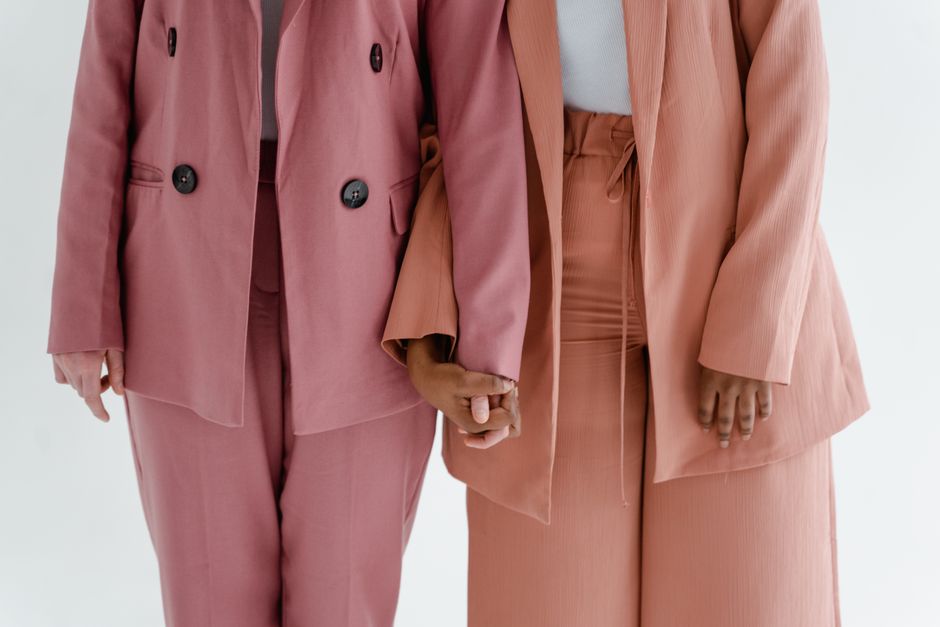
You can’t trust the label. You can’t trust the size chart. Here’s what you can trust.
Step 1: Find your base garment. Pick a t-shirt or dress that fits perfectly right now. Lay it flat. Measure the chest (armpit to armpit), waist (narrowest point), and hip (widest point). Write those numbers down. Keep them in your phone.
Step 2: Compare to garment measurements. Most brands now list garment measurements on their product pages. If they don’t, email customer service. If they can’t provide them, shop elsewhere.
Step 3: Look for customer photos. Reviews with photos from real customers are worth more than any professional model shot. Search for “size [your size]” in the reviews. See how the garment actually hangs on a real body.
Step 4: Check the return policy. If the brand charges for returns, factor that into your decision. Universal Standard offers free returns and exchanges. ASOS does too. Some brands don’t. That’s a red flag for extended sizing — they’re betting you’ll keep something that doesn’t fit rather than pay to send it back.
What to Buy and What to Skip
Buy: Stretch denim, knit dresses, wrap tops, and anything with adjustable waistbands. These are forgiving across size ranges.
Skip: Non-stretch blazers, structured button-downs, and any garment with a fixed waistband. These require precise fit and are often not graded well above size 16.
The Future of Inclusive Sizing
We’re past the point where “offering plus sizes” is a differentiator. It’s the baseline. The next frontier is true size inclusivity across all categories — not just basics and loungewear, but occasion wear, workwear, and outerwear.
Some brands are already there. Universal Standard launched a size-inclusive suit collection in 2026 that includes blazers, trousers, and skirts up to size 40. Eileen Fisher offers extended sizing in its entire line, not just select pieces. These brands treat inclusive sizing as a design principle, not a marketing line.
The brands that survive the next decade will be the ones that understand this: inclusive sizing isn’t a niche. It’s the market. The 67% of women who feel frustrated when shopping? They’re not going to stay frustrated forever. They’re going to find brands that see them.
If you’re a brand reading this: design for the body you have, not the body you wish existed. If you’re a shopper: vote with your wallet. Buy from brands that make clothes for you. The industry will follow the money.